 Oriental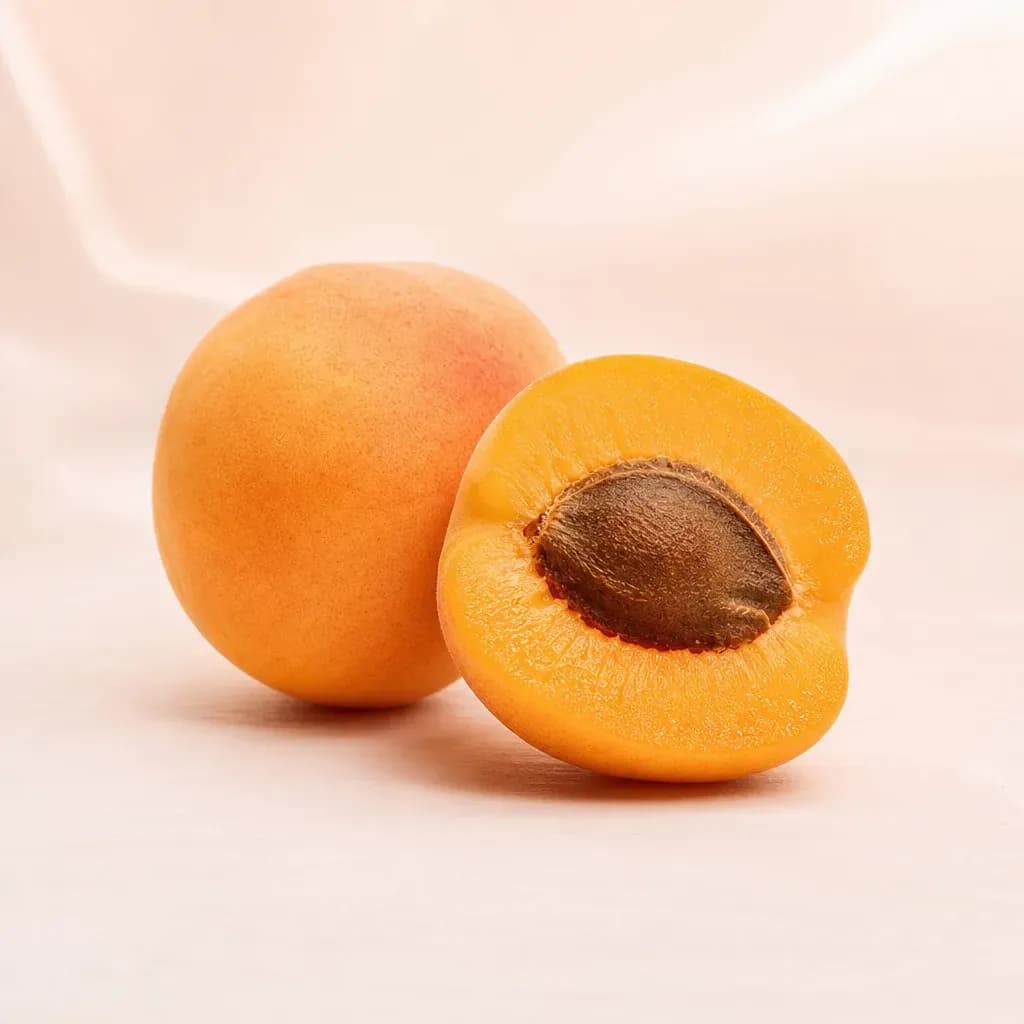
Apricot
Fruity, sparkling and gourmand, nothing seems more sensual than skin subtly perfumed. What is more, fruit notes are particularly appreciated during summer. They manage to stay fresh while proving to be very appetizing. Thus, apricot is an ingredient sometimes present in perfumes, giving the skin an irresistible, edible quality.
Apricot, a fruit we know well
Apricot comes from a small tree called the apricot tree, part of the rosaceae family. Its scientific name is prunus armeniaca, meaning plum of Armenia. This stone fruit originates from China, a country where it has been cultivated for more than 2000 years. Given its ancient cultivation, it is actually difficult to determine its exact origin. The apricot tree was then introduced to the Near East through Iran and Armenia, around the first century of our era. It was at that time that the Greeks and the Romans became acquainted with this fruit. In France, apricot was then introduced through two routes. On one hand, it arrived from Italy via the Loire valley thanks to King René of Anjou, who inherited the kingdom of Naples in 1435, bringing this Italian fruit back to his native region. It took the name apricot tree in 1560. Likewise, it reached France from Spain via Roussillon when Narbonne was occupied by the Saracens, in 715, and again when Roussillon was annexed to the crown of France in 1659. Today, Turkey remains the leading producer of apricots. Nevertheless, France is the second largest producer in the European Union, ahead of Spain and Greece. The apricot harvest begins in June and continues until August. Nowadays, it is a widely consumed product in cooking. Nevertheless, China attributes therapeutic virtues to it, traditionally prescribing it against cough and constipation.
The fruity scent of apricot-based fragrances
In terms of perfumery, two parts of the apricot fruit are clearly distinct: its kernel and its flesh. The apricot kernel indeed yields an oil. However, this oil does not have the scent we know well from apricot. This is why perfumers prefer to obtain the scent of the flesh itself. On the other hand, this scent cannot be extracted. This is why it is entirely reconstituted in the laboratory using synthetic molecules. Apricot then brings a fruity, velvety touch to the fragrances that contain it, also leaving behind a scent with slightly almondy or candied nuances. The kernel, for its part, is used more in cosmetics. It yields an oil with nourishing and emollient properties.
While Cacharel appears to particularly favor apricot, including it for instance in Amor Amor In a Flash or in Amor Amor Sunshine, this fruit is also present in the iconic Angel by Thierry Mugler, in Azzura by Azzaro, and in Burberry Women by Burberry.
Identity card
- Latin name : Prunus armeniaca
- Origin : Artificielle
- Type : Reproduction
Perfumes with the Apricot note
Oriental Floral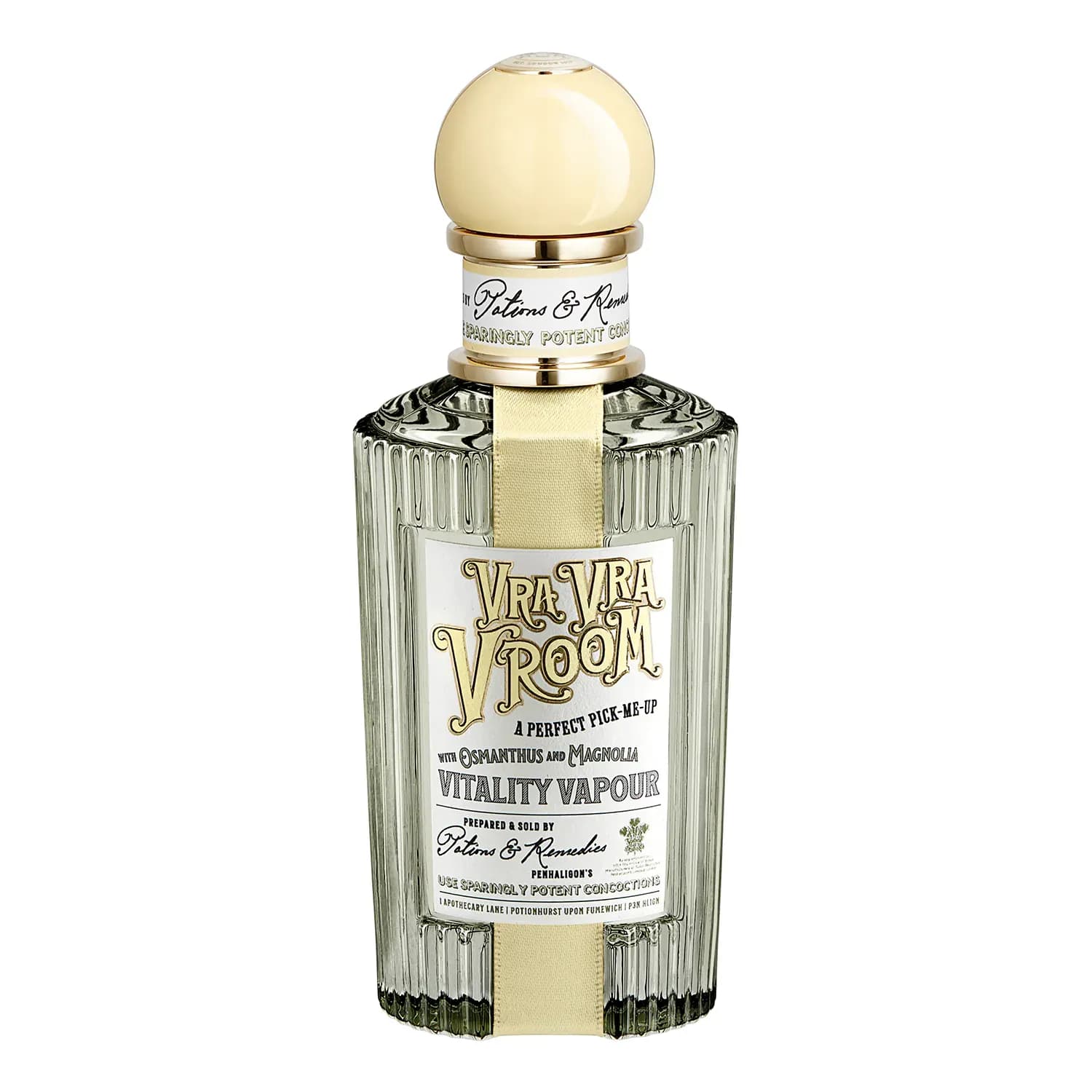
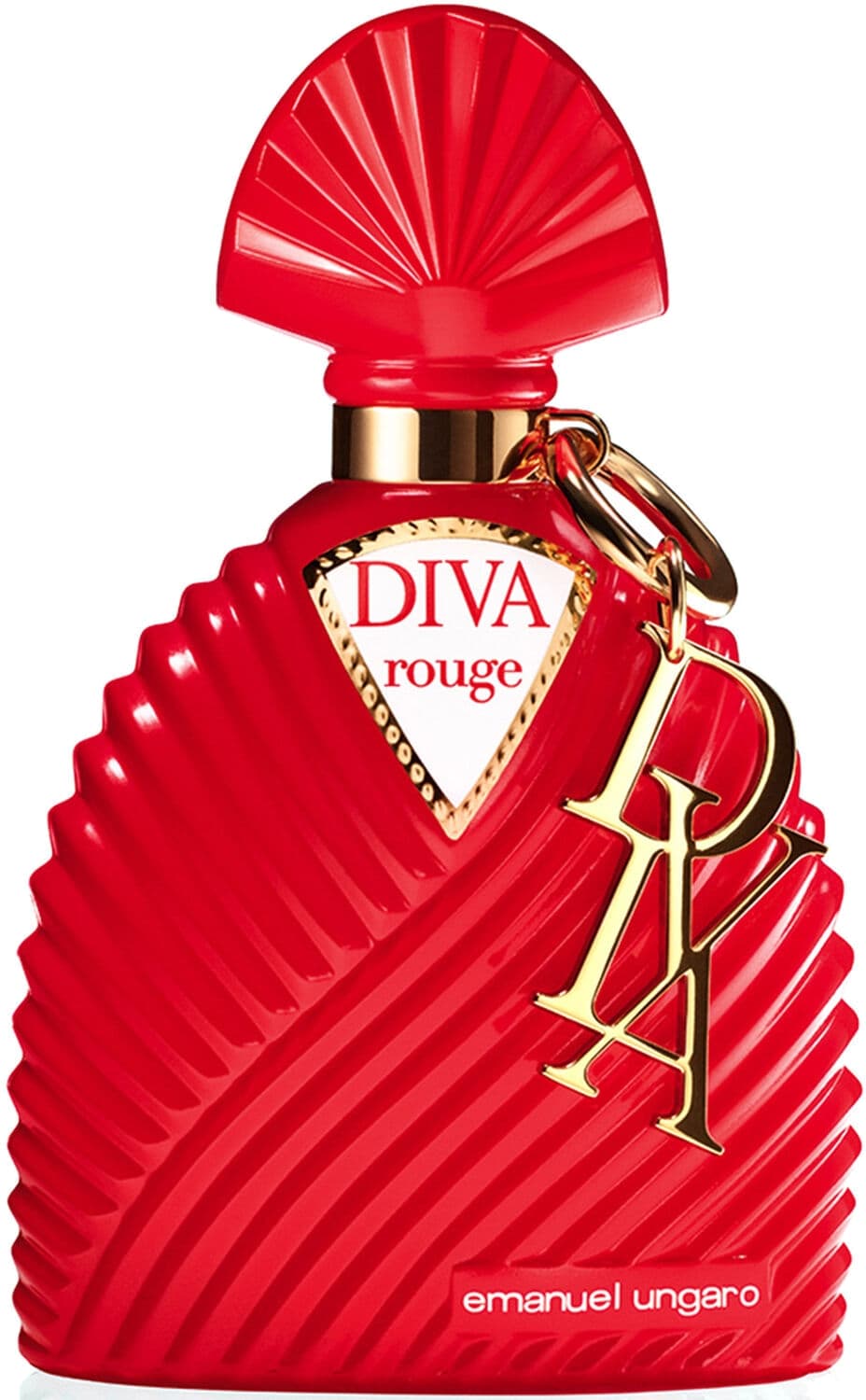
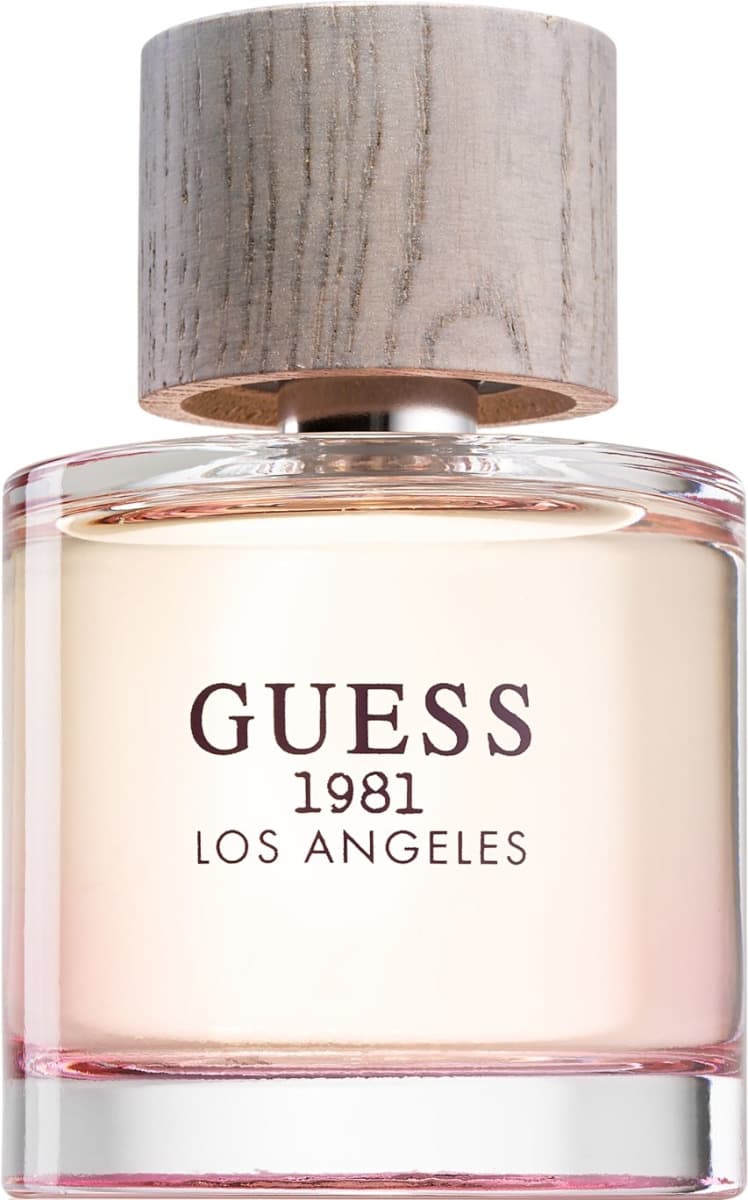
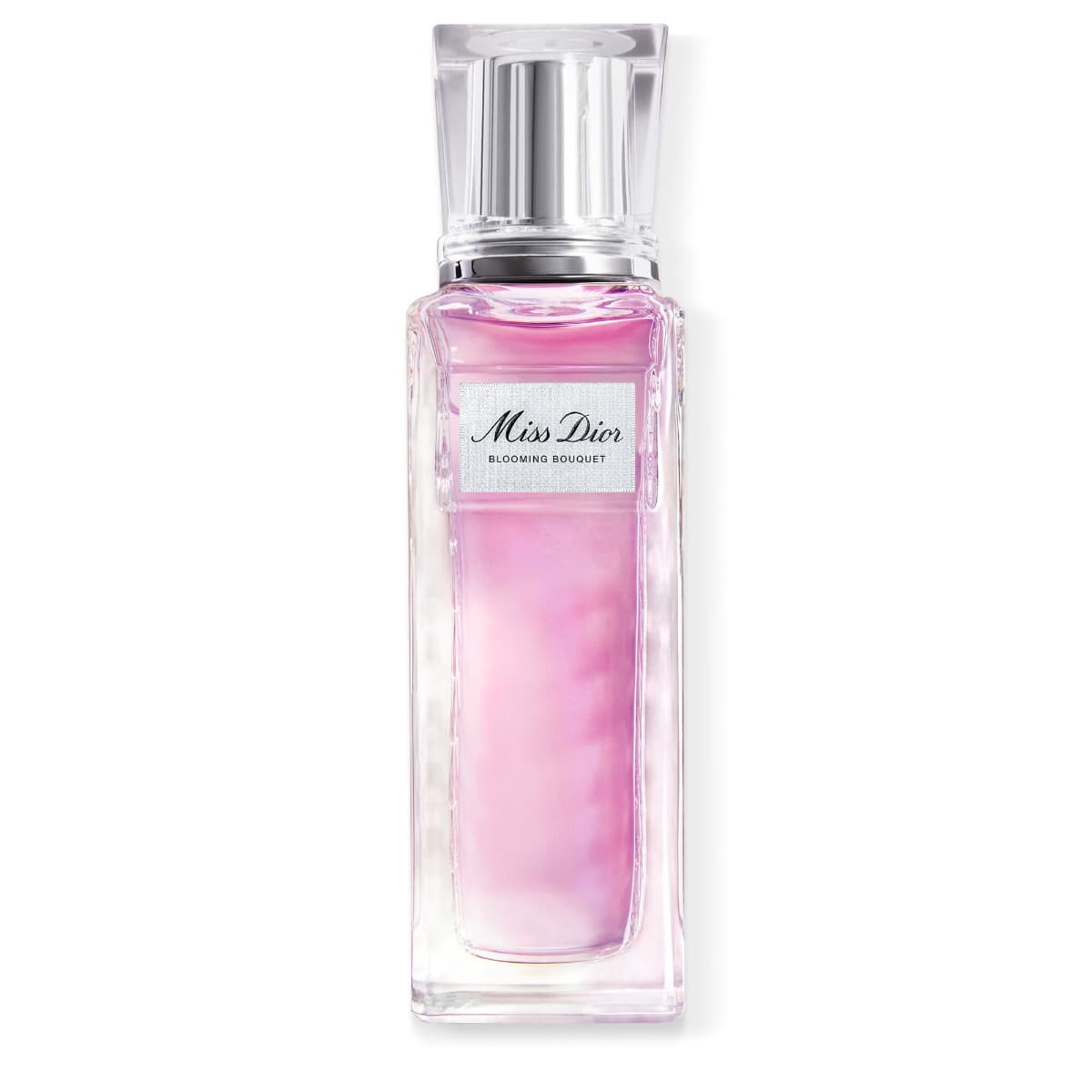 Floral
 Chypre