
 Floral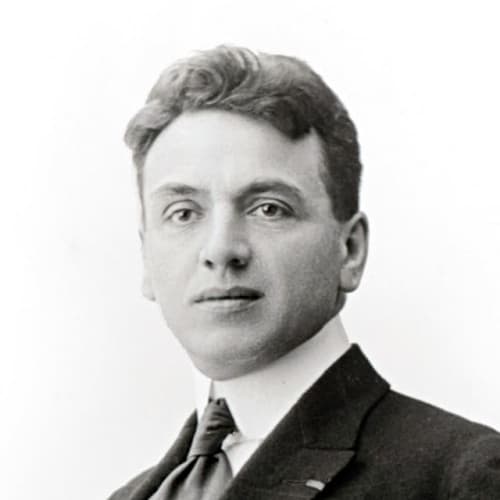
Ernest Beaux
Chanel is a name that alone is enough to inspire dreams in many countries around the world. It is one of the most renowned houses of French heritage. And while it has distinguished itself in numerous fields, perfumery is undoubtedly one of those that earned it its noble reputation.
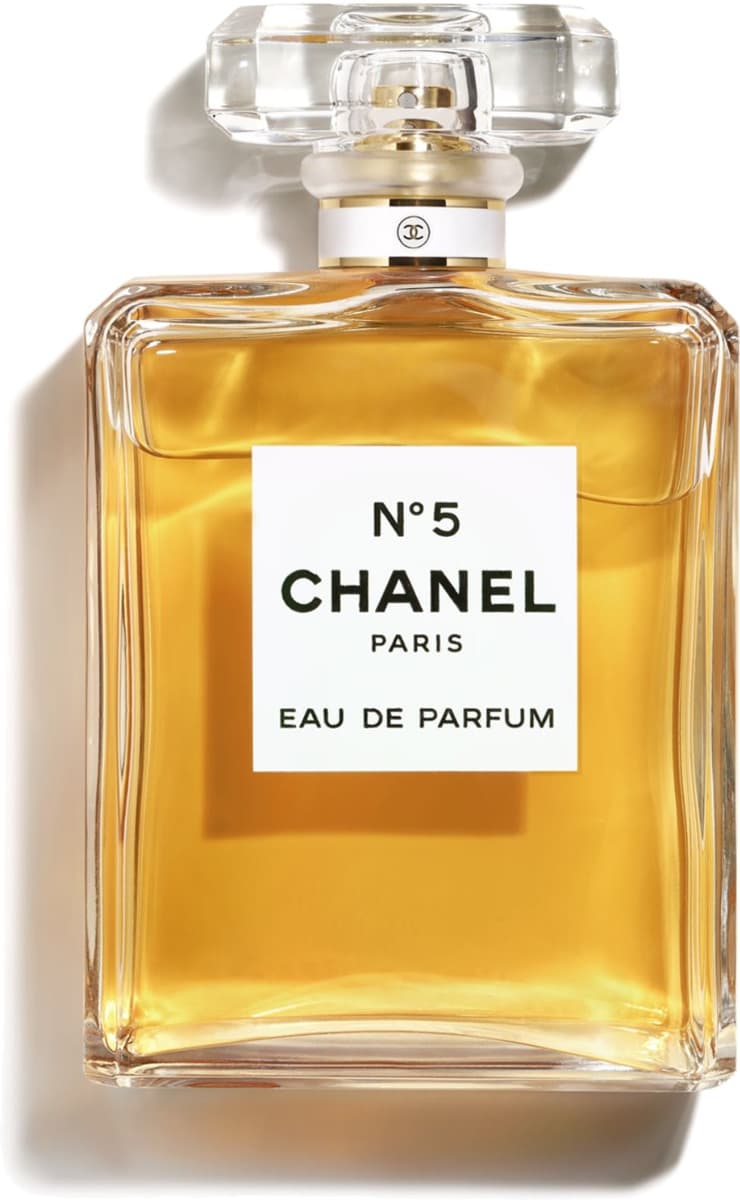
Among Chanel's greatest successes, the iconic N°5 stands as a true legend. It owes its existence to the perfumer Ernest Beaux.
Ernest Beaux's beginnings
Ernest Beaux was born in 1881 in Moscow. However, he did indeed come from a French family. In fact, his elder brother ran the Rallet company, considered at the time to be one of the two largest Russian perfume houses of French origin. Following in his brother's footsteps, Ernest Beaux joined this company in 1898 as a laboratory technician in soap-making. He then decided to come to France to learn perfumery. Once he had earned his diploma, he quickly made a name for himself and his talent was soon noticed. It was in 1912 that Ernest Beaux achieved his first success. It was a Cologne named Bouquet de Napoléon, quickly followed by its feminine counterpart, Bouquet de Catherine. Nevertheless, he was forced to put his career on hold to join the French army the following year during the First World War. Once the war was over, Ernest Beaux picked up exactly where he had left off, settling permanently in Paris and undertaking countless experiments.
Ernest Beaux, an avant-garde chemist
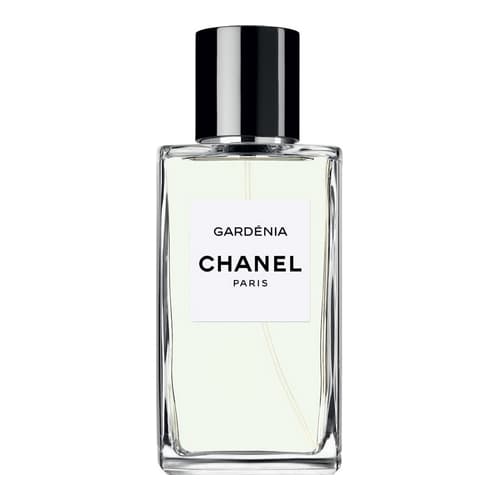
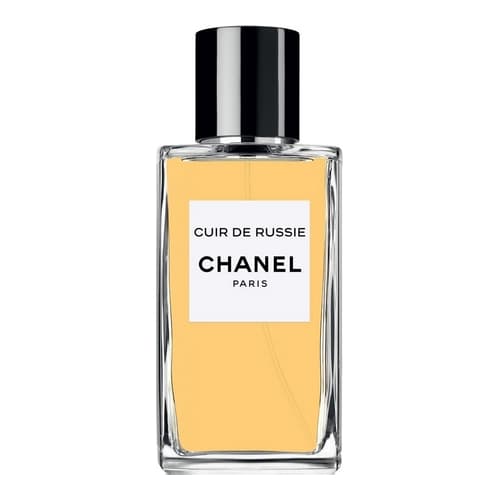
Before being a perfumer, Ernest Beaux was particularly passionate about chemistry. Thus, he composed numerous fragrances based on synthetic essences. In fact, he even confided that he most often created based on chemical formulas rather than through his nose. Like a composer who writes his works on a score before playing them, Ernest Beaux wrote his olfactory formulas before smelling them. Nevertheless, this unconventional method did not prevent him from being behind immense successes. It was in 1920 that he joined the house of Chanel. Without knowing it, he was about to create what would become one of the greatest successes in the history of perfumery. We owe him the iconic Chanel N°5. Moreover, given the enthusiasm for this fragrance, Chanel once again called upon his talent to create many other fragrances. Such was the case with N°22 in 1922, Cuir de Russie in 1924, Gardénia in 1925, Bois des Îles in 1926… and so on until Mademoiselle Chanel N°1 in 1946.
Far more than a simple perfumer, Ernest Beaux is a true monument of our perfumery. He left his mark on history with his famous “women's perfume with the scent of a woman.” Alongside this, he also worked with other major houses in the perfume industry, such as Bourgeois. Building on these experiments, he paved the way for numerous modern creations, always exploring a little further the possibilities offered by synthetic scents.
Creations by Ernest Beaux
Floral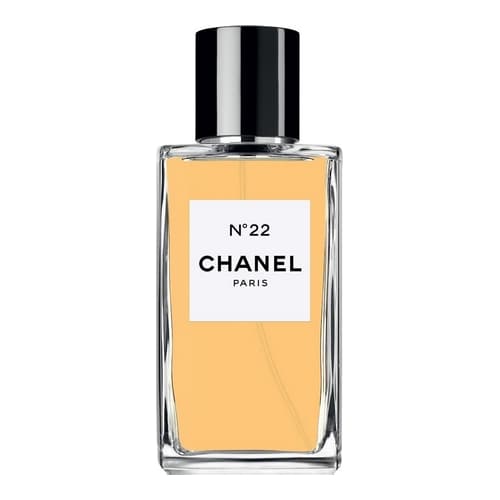 Floral
 Floral
 Woody
Woody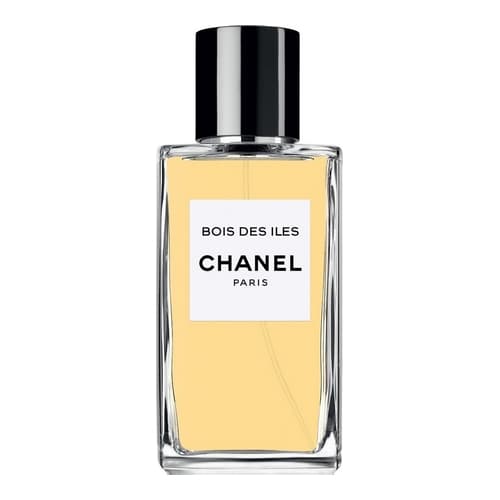 Oriental