
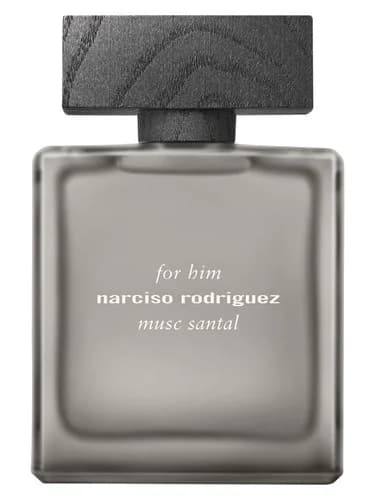
 Woody
Woody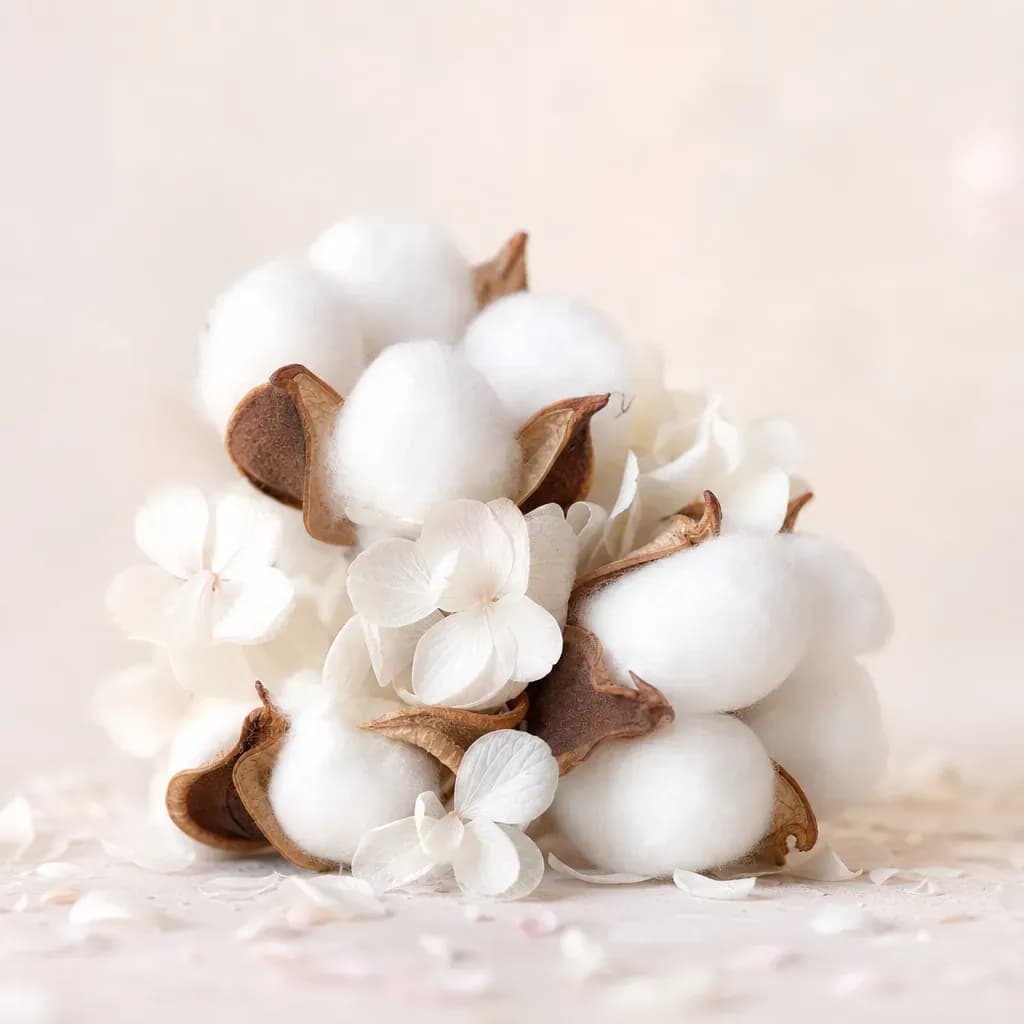
Musky
The origins of musk were… animalic…
Several centuries ago, indigenous peoples discovered that the scent glands of a species of musk deer produced an intoxicating and aphrodisiac fragrance during its rutting season: musk. Fascinated by this odor, Alexander the Great brought this scent back from China. Musk enjoyed great success in Europe for decades but caused the mass destruction of these poor little deer. Indeed, after centuries of exploitation of this animalic musk, the WWF finally protected the musk deer (in 1979) by banning the sale of the precious substance. Synthetic products then took over in order to offer our noses this very particular woody animalic scent.
As early as 1926, Lavoslav Ruzicka succeeded in creating the synthetic version of musk in order to produce it on a large scale: muscone. Today the main synthetic reproductions of musk are found under the name white musk, particularly the macrocyclic musks. There is a multitude of white musks (the macrocyclic musks), each producing a different, easily recognizable fragrant note.
However, it should be noted that a natural form of musk production still exists. Thanks to ambrette seeds or the root of certain angelica plants, it is possible to obtain fragrances that are slightly musky and resemble the original animalic odor.
Musky notes in perfumery
Today it is white musk that is used in the vast majority of perfumes because it has the undeniable advantage of being a fixative for more volatile fragrant notes and of bringing softness and gourmand qualities. Among the many variations or facets of synthetic musky notes, the main ones used in your favorite perfumes are exaltolide with a fruity tendency, the more powdery ambrettolide, cottony muscenone, and habanolide with woody scents. Used just as much in perfume manufacturing as in household product manufacturing, it has become quite rare to find a product that does not contain any. Fortunately, some great perfumers still use white musk for its rarity far more than for its fixative properties. Pure “neomusc” is, for certain great houses, a mark of prestige, as with Cerruti 1881 in Edition Blanche, Clinique in Aromatics in White, or even in the extremely famous Flower by Kenzo.
However, while men have favored the natural, non-animalic version of musk (ambrette musk) for decades, they too are beginning to take an interest in the softness of white musk…
Indeed, for years “true” musk or ambrette musk was clearly favored by men in very “masculine” perfumes such as Pour un Homme by Caron in 1934 or, more recently, in Drakkar Noir in 1982.
Today perfumers readily use white musks in their masculine lines, bringing softness and refinement for gentler men, while remaining virile of course! For women, white musk, in its many facets, remains just as seductive for its softness as for its delicate fruity or sweet scents. Thus, for men or for women, the tenderness and voluptuousness of white musky notes will go on scenting the most beautiful bottles for a long time to come!
“Musky” as a secondary family
Woody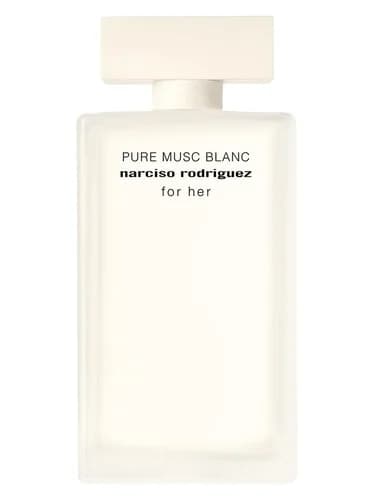 Chypre
 Woody
Woody Woody
Woody Floral
 Floral
 Floral
 Floral
 Floral
 Floral
 Floral
 Floral