
 Aromatic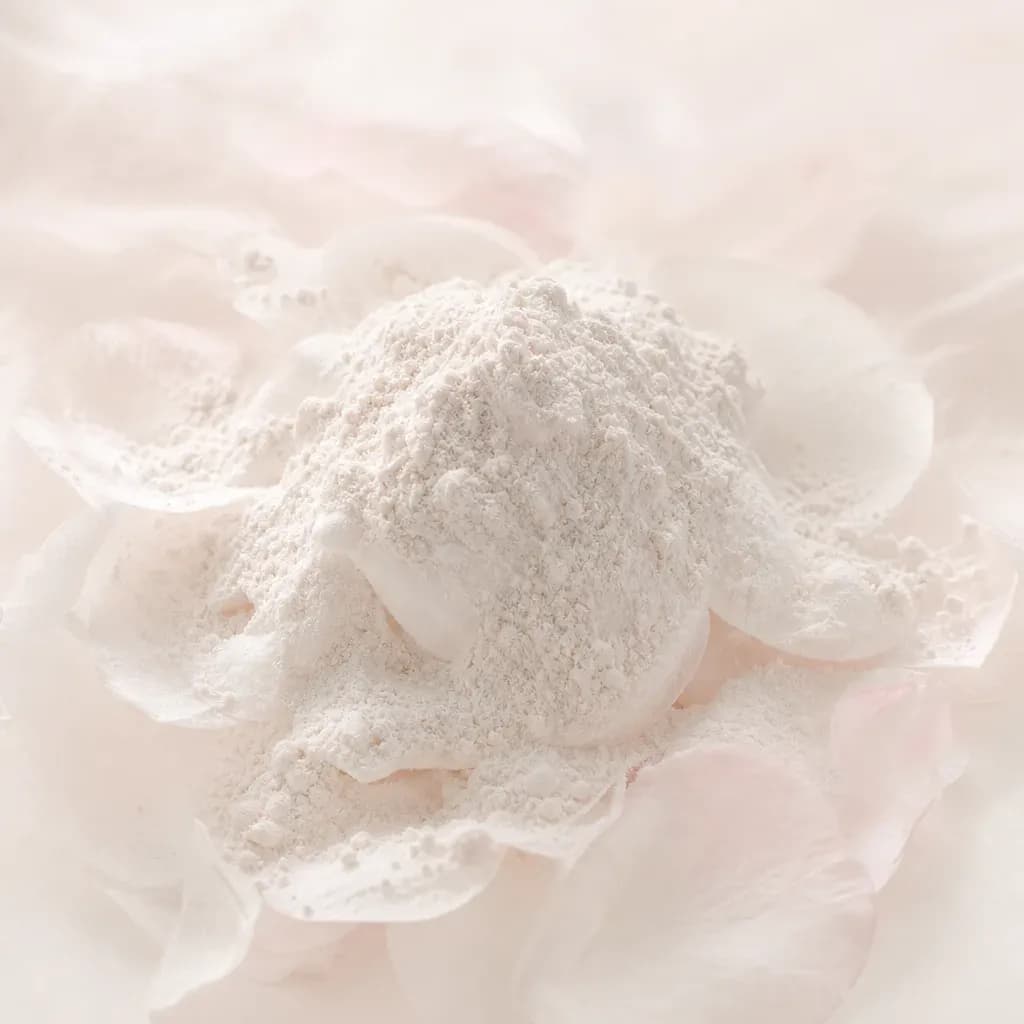
Powdery notes
A note is described as powdery when it evokes the smell of talc or rice powder. These are generally notes that are both soft and cottony. Powdery notes appeared in the seventeenth century, when great ladies wore makeup made with rice powder, very fashionable at the time. This truly powdery scent corresponded to the powder of rhizomes, from plants such as iris, the reference material in this field. A legend even claims that it was Catherine de Medici who first incorporated crushed iris powder into skin care products.
The molecules behind powdery notes
Iris is the main flower that offers powdery tonalities. For this reason, it is considered a precious flower. Iris is a rhizome plant, meaning it has an underground stem to which roots attach. Not all of the chemical molecules in iris can be distilled at the same temperature. A fractional distillation process is therefore carried out to recover “irone”, the raw material that produces this powdery note, highly prized by perfumers, and therefore very expensive. But iris is not the only flower capable of offering a powdery tonality. Violet also has this quality. However, more than a ton of violet flowers is needed to obtain 30 g of violet extract. Nowadays, violet notes are reproduced synthetically using “alpha ionone” or “methyl octine carbonate”. Other molecules are also behind powdery notes, such as coumarin, immortelle or mimosa.
Powdery notes in perfumery
The house of Guerlain was the first to offer powdery tonalities. Indeed, as early as 1906 with “Après l’Ondée”, then later with “L’Heure Bleue” and “L’Instant”. It was not until 1970, with “N°19” by Chanel, that powdery notes evolved. Indeed, in its composition, the house of Chanel innovated by incorporating powdery plant materials, thus giving powdery notes that were both green and humid. Since the powdery note is never positioned as a top note, it blends easily with all olfactory families. Powdery notes can be found within an oriental fragrance, as in “Angel, l’Eau de toilette” by Thierry Mugler. Here the powdery notes sit in the heart note, accompanied by red fruits, praline and floral notes. Powdery notes can also be found at the heart of floral-fruity compositions such as “Baiser Volé Lys Rose” by Cartier. Here, the powdery notes are positioned in the base note, where they bring all their roundness to the composition.
Widely used in perfumery, powdery notes give a fragrance a particular tonality, reminiscent of the famous rice powders of our grandmothers. While iris was initially the sole source of powdery notes, violet, mimosa, coumarin and immortelle are now also used.
Perfumes with the Powdery notes note
Aromatic Oriental
 Floral
 Floral
 Floral
 Oriental
 Floral
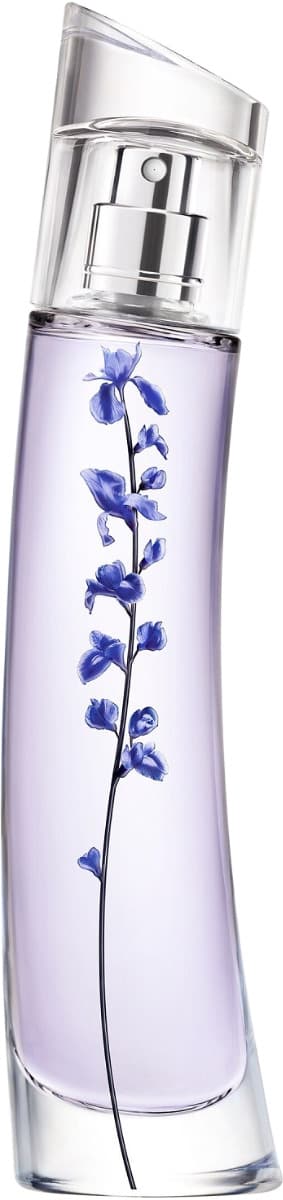 Floral
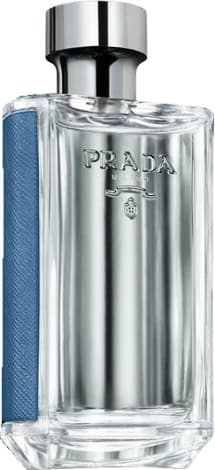 Woody
Woody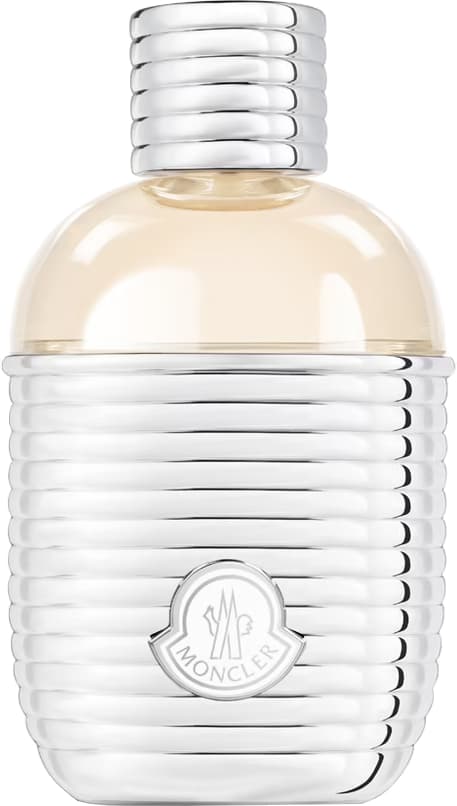 Floral
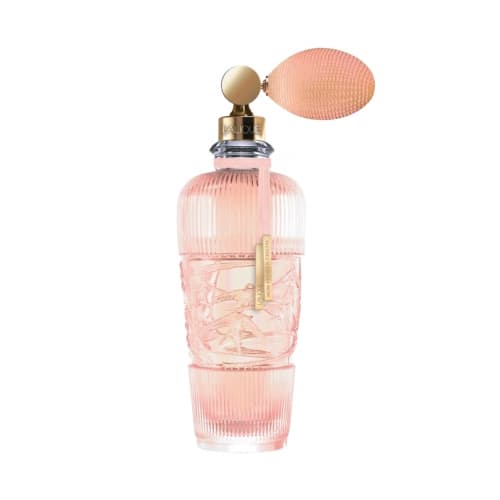 Oriental