
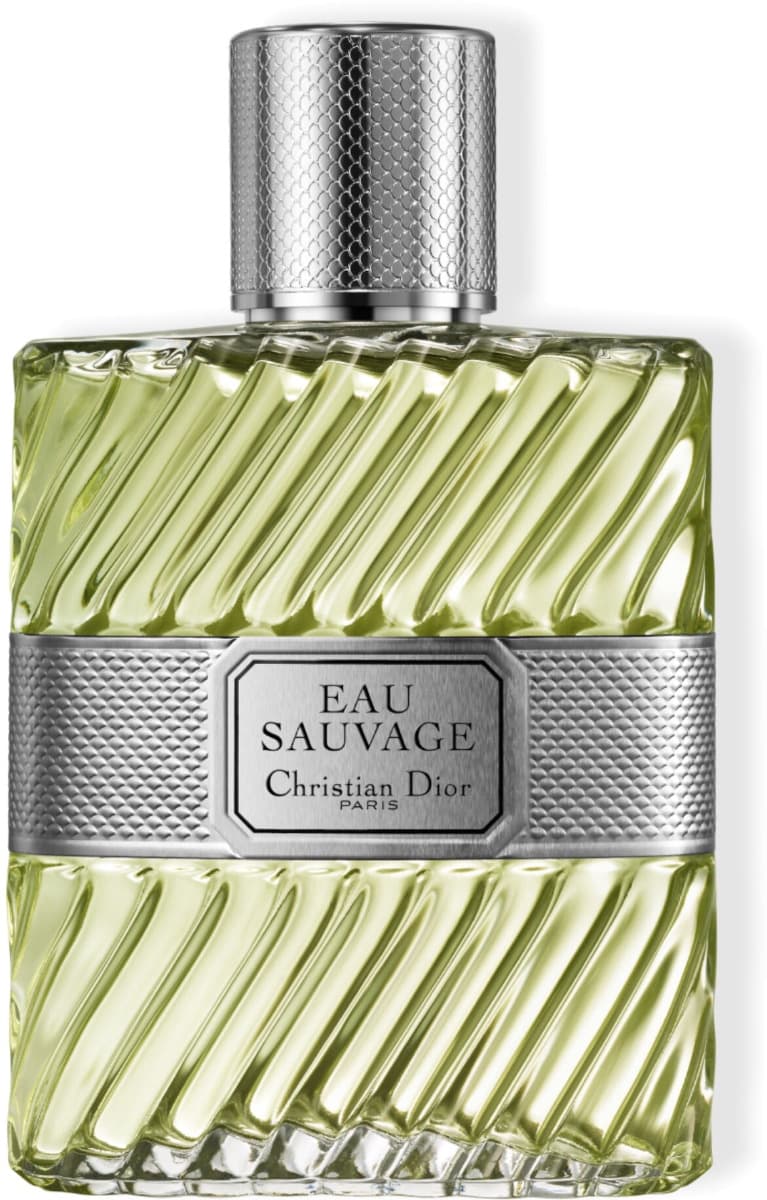
 Citrus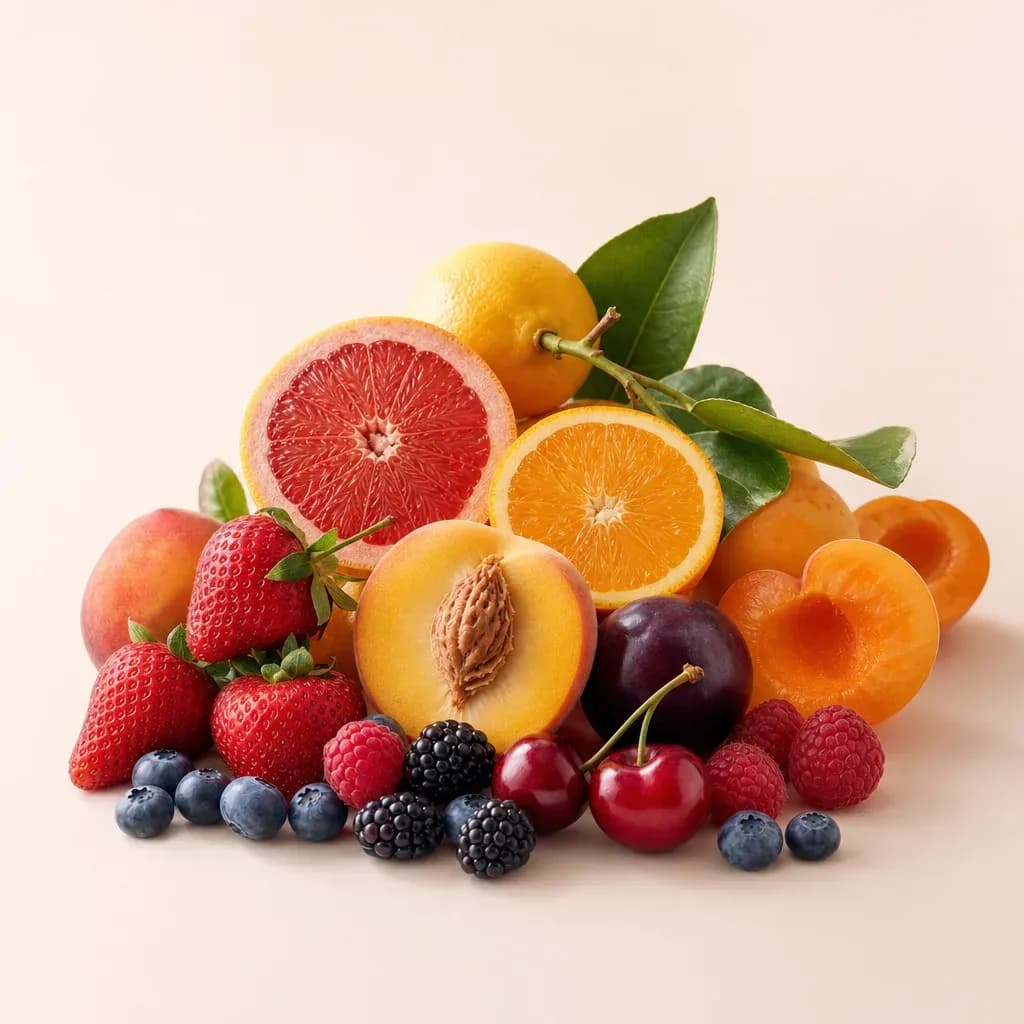
Fruity note
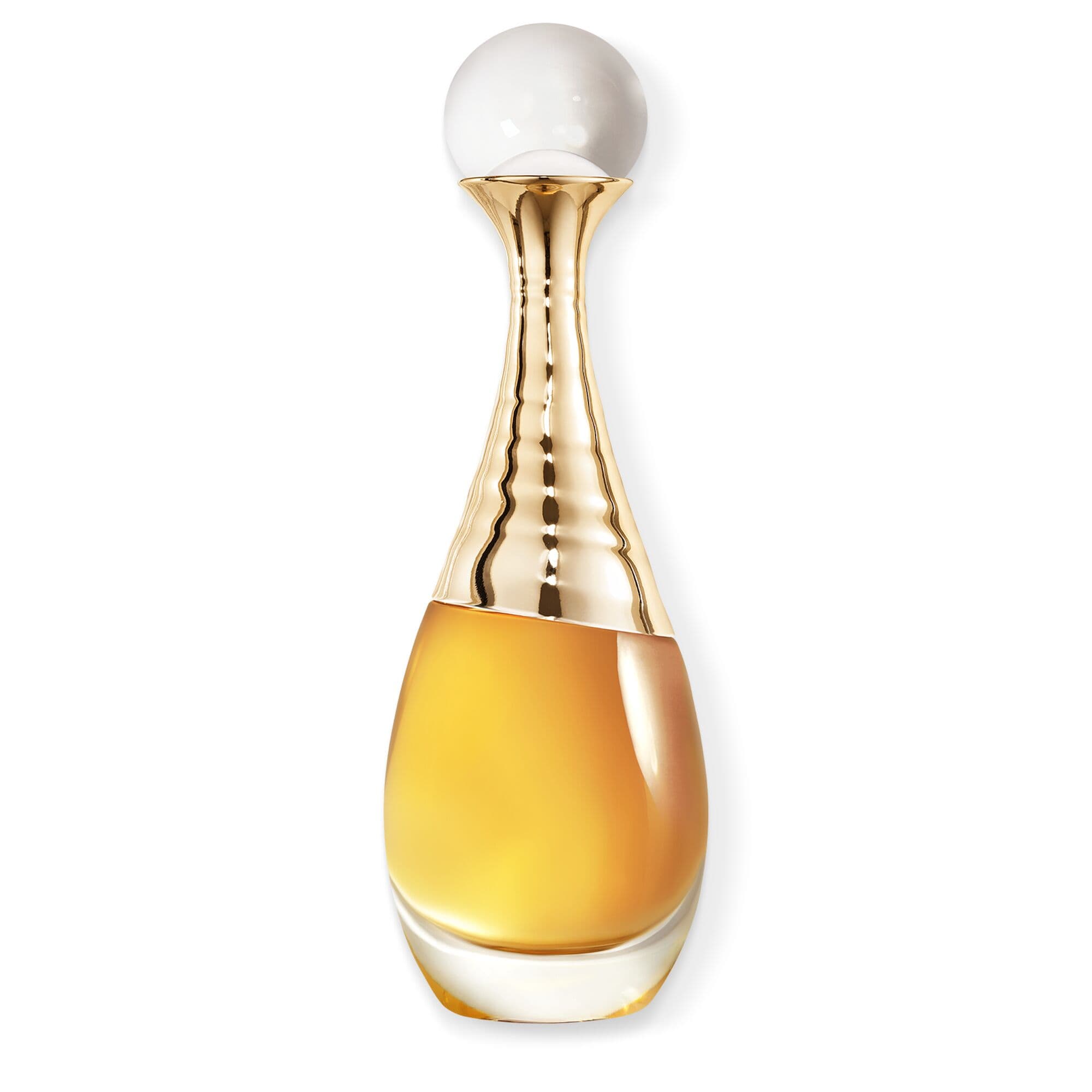
Fruity notes: Fruits are present in all our gourmand and floral fragrances! For about ten years now, fruits have taken over our perfumes, to our great delight! While Mitsouko by Guerlain introduced the fruity notes of peach as early as 1919, it took the phenomenal success of J’adore by Dior in 1999 or of Angel to see the fruity fragrance family reappear with success and force.
Today we count no fewer than 1200 fruity perfumes for women, mainly, but also for men. What is the secret of our perfumers, who have managed to create an orchard in our most beautiful bottles?
Creating the fruity note in a perfume
The fruity note might seem, at first glance, one of the most familiar and easiest to obtain. However, to create scented notes, noses need raw materials in the form of essential oil, absolute or essence, and that is precisely where things get complicated.
Citrus fragrances, thanks to their zests, formed the basis of the citrus family and the famous Eaux de Cologne. On the other hand, apart from apricot and blackcurrant, respectively created from osmanthus and blackcurrant bud, no fruit can provide perfumers with natural substances usable in perfumery. They therefore had to recreate them...
Mitsouko, created by Guerlain in 1919, had the distinction of being the first to present a perfume based on synthetic molecules to create the peach note, the famous Aldehyde C14. The complexity of the research, as well as the fashion for powerful, heady perfumes, prevailed over the fruity note for decades... It would return in force with Trésor by Lancôme, the sublime J’adore by Dior in 1999 with its fruity notes of plum and peach, not forgetting Angel and its exotic fruity notes of passion fruit.
As perfumes became lighter and customers’ tastes turned toward more natural raw materials, the fruity notes launched by J’adore logically went on to feature in many bottles, often floral and feminine, sometimes oriental and masculine, but always with sweet gourmand touches and a nostalgia for the orchard!
Fruity perfumes: an olfactory family in its own right!
As strange as it may seem, the meteoric success of fruity notes, mainly synthetic ones, would owe much to the renewed affection of creators and consumers for raw materials evoking nature...
The olfactory family presenting the greatest number of fruity perfumes is of course the floral family, of which J’adore was the frontrunner that led many of its peers to glory. Let us mention of course 5th Avenue by Elizabeth Arden and Envy by Gucci with their fruity top notes of apple, Daisy by Marc Jacobs with its fragrances of pear and apple, or even the notes of strawberry, raspberry and apple of Nina by Nina Ricci, not forgetting the cherry and raspberry of the best-seller La Petite Robe Noire by Guerlain.
The great gourmand and fruity orientals are not to be outdone, presenting fruit baskets as original as they are sumptuous, in the image of Angel of course, but also of Lolita Lempicka with its raspberry notes, or Euphoria by Calvin Klein with its fruity heart notes of peach and passion fruit.
The fruity note thus appears very prominently in the current range of women’s perfumes, whether floral fruity, oriental fruity, or even chypre-fruity, in the image of Coco Mademoiselle. However, appearances are deceiving, since the fruity note can also be a hallmark of men’s perfumes, which use it in a less gourmand facet, but rather to bring freshness or sweetness to spices or aromatics. Mugler, for example, used fruity notes in its men’s range (Angel flankers) in the perfumes B*MEN or A*MEN Pure Malt (2013), though Monsieur Lanvin by Lanvin had largely preceded it by offering its fruity notes alongside an aromatic citrus accord...
Identity card
- Type : Autre
Perfumes with the Fruity note note
Citrus Floral
 Chypre
 Oriental
 Floral
 Floral
 Floral
 Woody
Woody Fougère
 Woody
Woody Oriental
 Woody
Woody