
 Chypre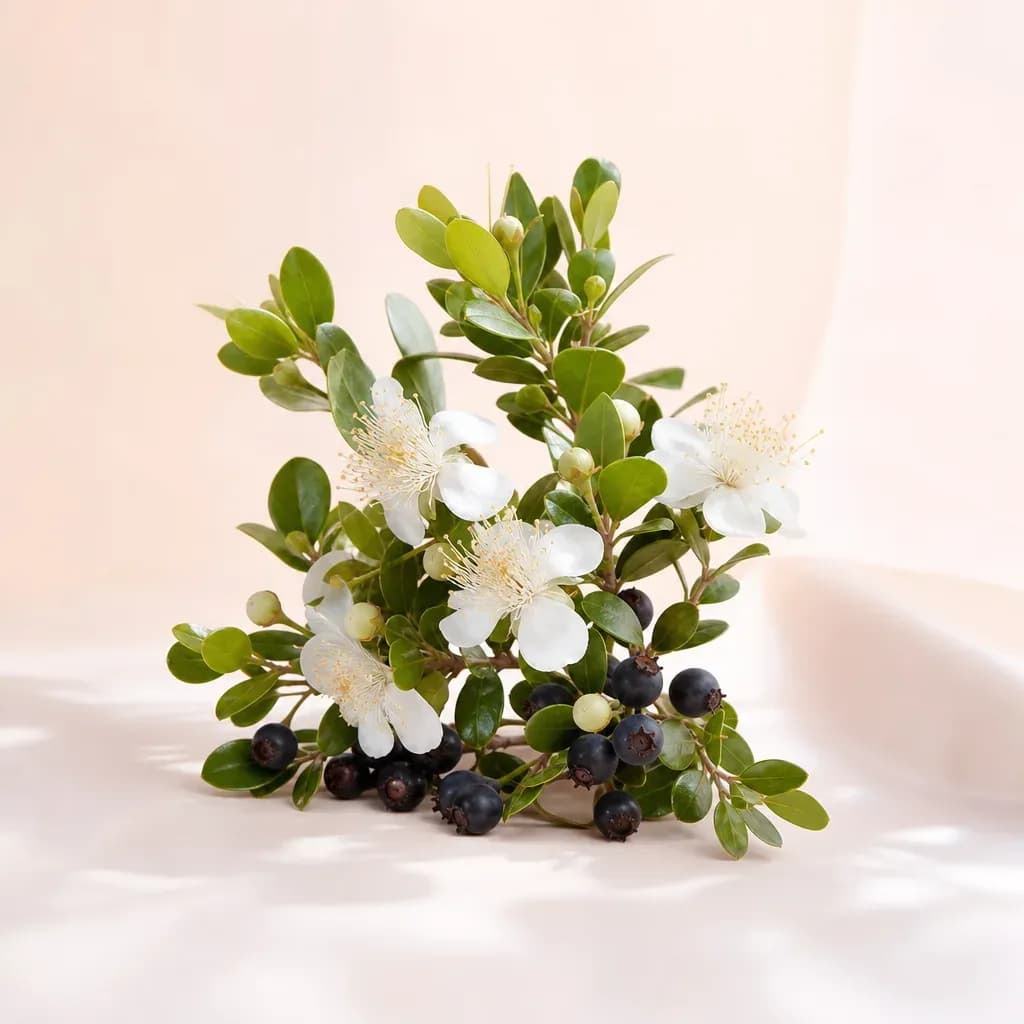
Myrtle
Myrtle: The Mediterranean and its fragrant scents Myrtle is a sacred plant of Antiquity associated with the goddess of love who, besides its many medicinal virtues, brought happiness to newlyweds. This Mediterranean scrubland plant with honeyed scents and peppery flowers was thus already used for the beauty of its fragrance by the Romans! Belonging to the Aromatic family, myrtle is nowadays widely used in masculine perfumery, mainly combined with chypre or oriental notes.
A lovely Mediterranean elegantly scented: myrtle
The small shrub has been known since the dawn of time, and particularly since Antiquity when it was dedicated to the goddesses of love Venus and Aphrodite. Myrtle was thus part, along with olive and laurel, of the crowns of leaves worn by newlyweds to bring them happiness, as well as of the crown then awarded to great champions. This wedding tradition is moreover still present today in certain Mediterranean countries.
From the Middle Ages onward, myrtle was used, through the distillation of its flowers and leaves, to make an exquisite and very famous floral water, L'eau d'ange. Myrtle evidently inspired perfumers, who used it early on in masculine chypre fragrances.
Myrtle essential oil and masculine chypre and oriental fragrances
The undisputed and indisputable reign of masculine aromatic fragrances has paid tribute to this sacred and richly scented plant that is myrtle. Used in aromatic chypre fragrances, myrtle offers the full beauty of its resinous, honeyed scent in top notes or even heart notes.
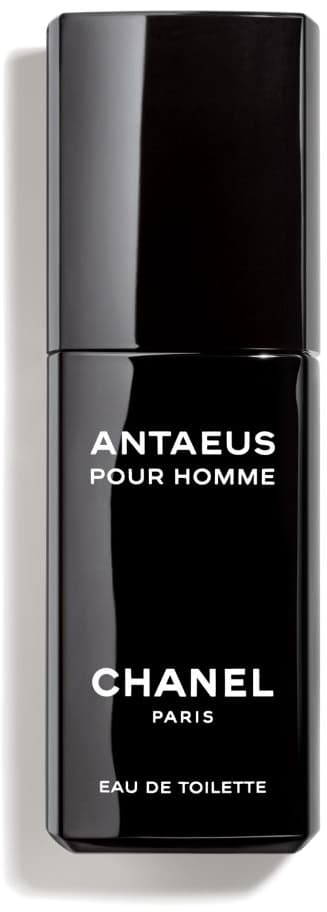
Thus Antaeus by Chanel offered gentlemen in 1981 a fragrance that exhales the traditional Coty chypre formula while adding the strength of aromatic accords of sage and myrtle in the top notes along with a touch of animalic notes, which reinforces its powerful sillage. La Nuit by Paco Rabanne likewise proposed in 1985 a chypre fragrance built on aromatic top notes of myrtle, bergamot and mugwort, exhaling this time green and fruity notes, quite original within the masculine range! It would therefore seem that myrtle actively contributed to the revival of chypre fragrances put forward by noses in the 80s, since a few years later myrtle even became a heart note for a great leathery chypre, Boss Spirit by Hugo Boss.
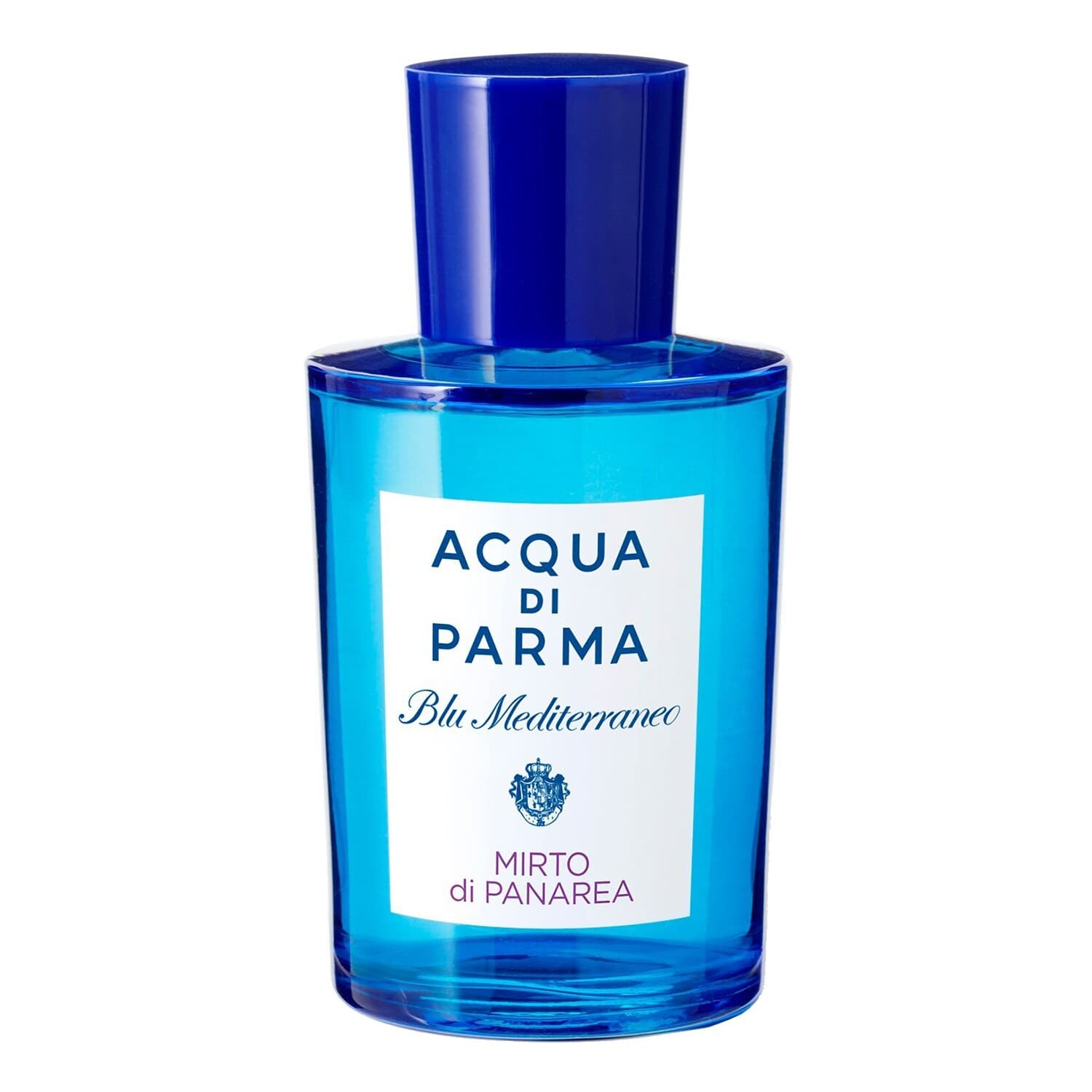
Myrtle fragrances also, of course, evoke the delicate scents of the Mediterranean coasts where it still grows today. Quite logically, then, myrtle is one of the ideal raw materials for woody or citrus fragrances seeking to exhale the sweet scents of the South. Worth mentioning are the wonderful Acqua d'estate essenza by Ermenegildo Zegna, Blu Mediterraneo ‘Mirto’ by Acqua di Parma, or again Costa Azzurra by Tom Ford.
Lastly, the Oriental family uses lovely myrtle as a top note to make spicy and exotic notes burst forth while offering a soft yet clear opening. Worth mentioning are the fragrances Ambre Sultan by Serge Lutens or again Ambre Précieux by Maître Parfumeur et Gantier.
It is thus hard to ignore that myrtle is the raw material of choice for masculine fragrances seeking aromatic, fresh and biting notes, or even sweeter and more floral ones. As for feminine fragrances, while some are unisex, such as L'Eau Trois by Diptyque or Vintage Gardenia by Jo Malone, fragrances built on myrtle dedicated to women remain rare. Still, precisely because they are rare, they are worth mentioning: Caron dared to use myrtle as a base note in a floral fragrance in 1939 with Alpona, and much later, in 1989, came Jardin Blanc by Maître Parfumeur et Gantier. Ladies, what if you stole your husbands' fragrances to discover myrtle?
Identity card
- Latin name : Myrtus Communis
- Origin : Plante
- Country : MA
- Part used : Feuilles et Tiges
- Type : Naturel
Perfumes with the Myrtle note
Chypre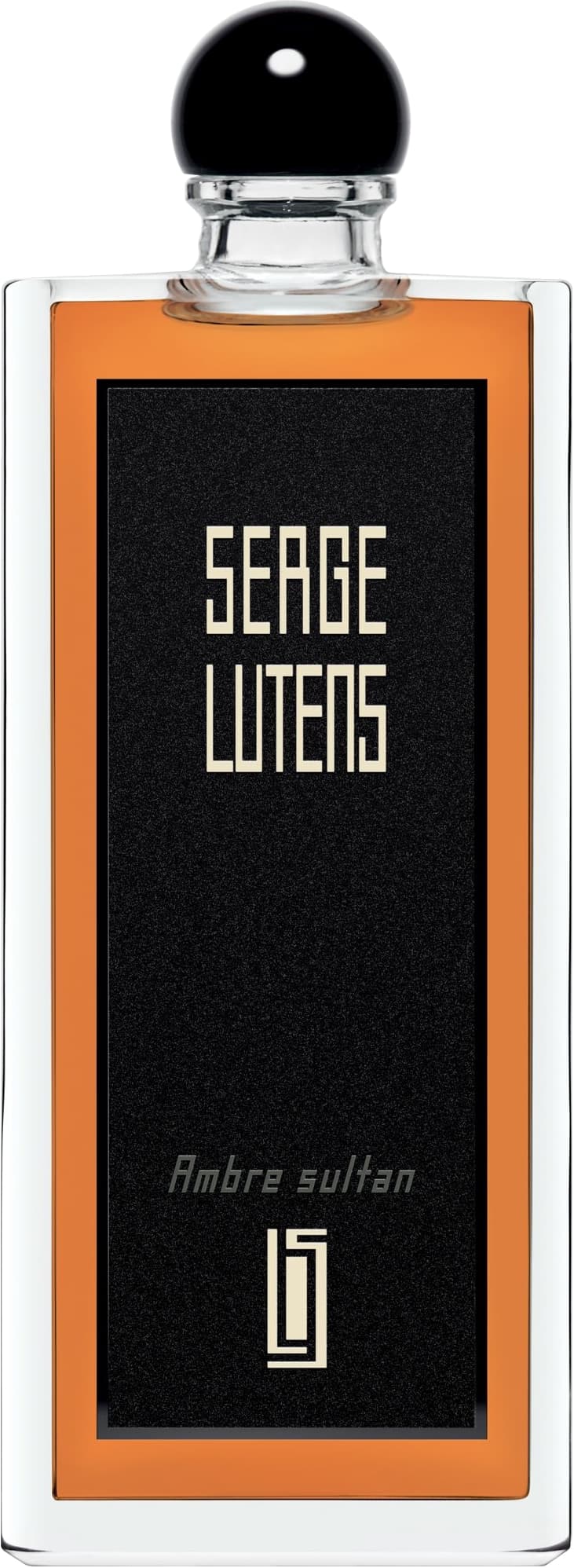 Oriental
 Woody
Woody Aromatic
 Citrus
 Woody
Woody Citrus