
 Floral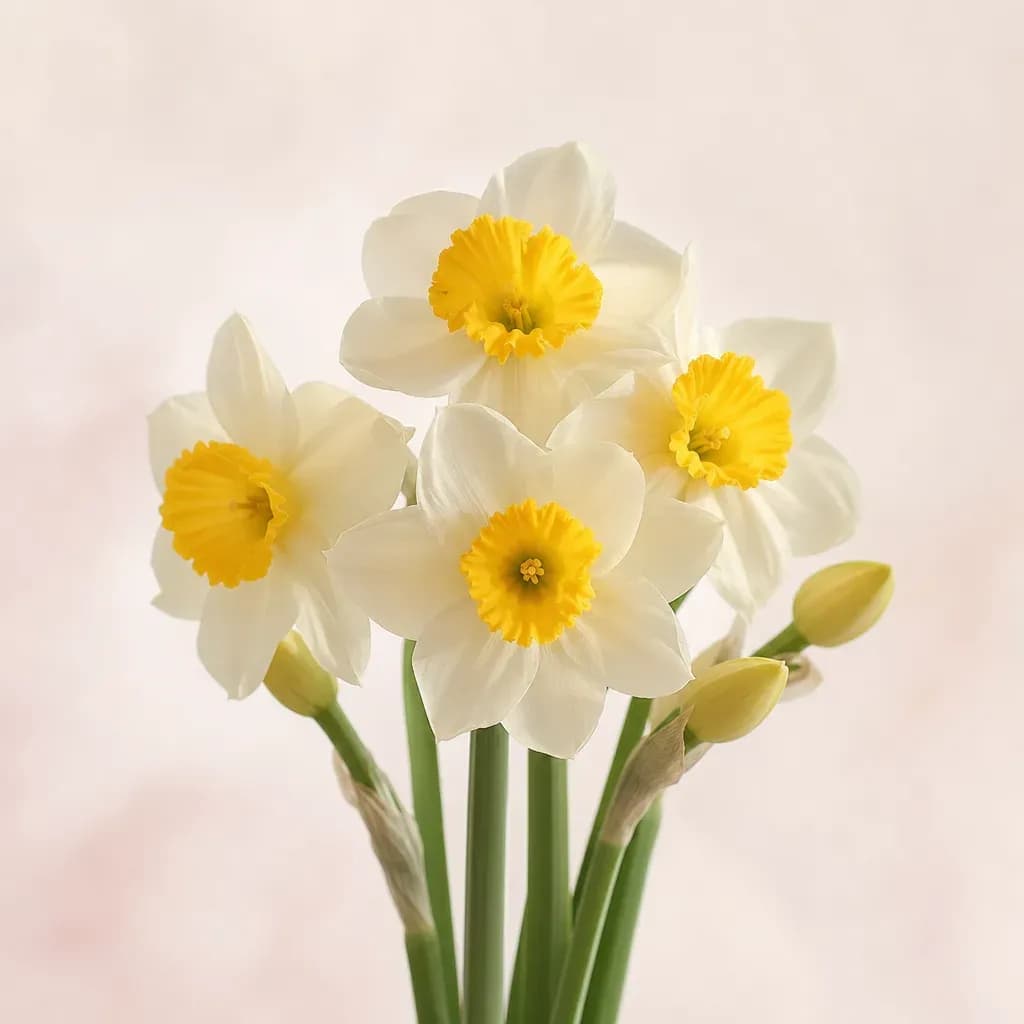
Jonquil
Spring is a highly appreciated season for many. This is because it is synonymous with the arrival of sunny days, long bright afternoons, and nature reclaiming its rights. Among the early signs of spring, the jonquil stands out as a favorite. While it is particularly loved by gardeners, it is also adored by perfumers.
The jonquil and its famous yellow petals
The jonquil belongs to the narcissus genus of flowers. Several species exist. The true jonquil is cultivated in the region of Grasse, a Mediterranean city located in France considered to be the world capital of perfumery. The yellow narcissus, meanwhile, is widespread in the Vosges, in Lorraine, in the North, or in Franche-Comté. Its name is misleading, as it is in fact a jonquil. Finally, the trumpet jonquil results from hybrid crossbreeding. In the language of flowers, the jonquil is synonymous with the languor of love and desire. It expresses a form of waiting. Yet it also carries other symbolic meanings. It is the typical flower of Grandmothers' Day, celebrated in France in March. Likewise, it is the symbol of Wales. In Canada, the jonquil is the symbol of the Canadian Cancer Society. It is an herbaceous plant with yellow flowers. Its leaves, meanwhile, resemble those of rushes, hence its French name. Its country of origin is Spain, and it was not until 1596 that the word jonquille appeared in the dictionary. This species, however, was only truly described in 1753 by the Swedish naturalist Carl Von Linné. Today, it is one of the most popular plants in gardens, notably embellishing borders when spring arrives.
The floral scent of the jonquil
The jonquil is just as striking olfactively as it is visually. It is a plant from which the concrete or absolute can be extracted directly for use in perfumes. To do this, perfumers capture the scent of the jonquil by extracting its flowers with volatile solvents. However, the use of jonquil remains quite costly, and its absolute is therefore reserved exclusively for prestige perfumery.
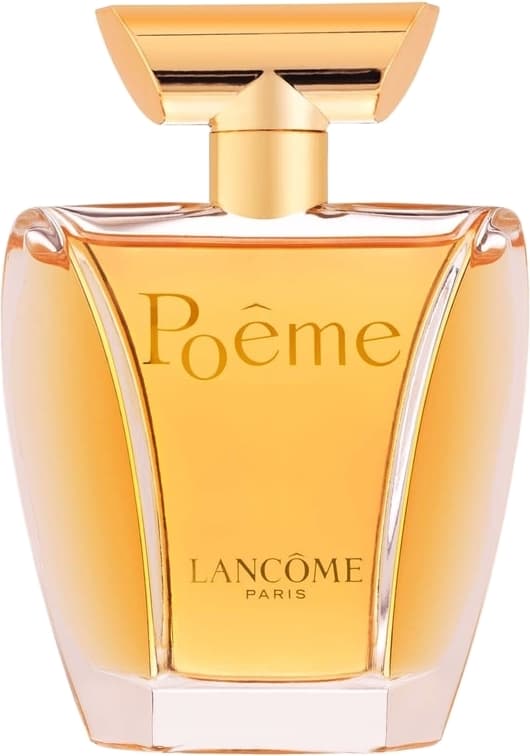
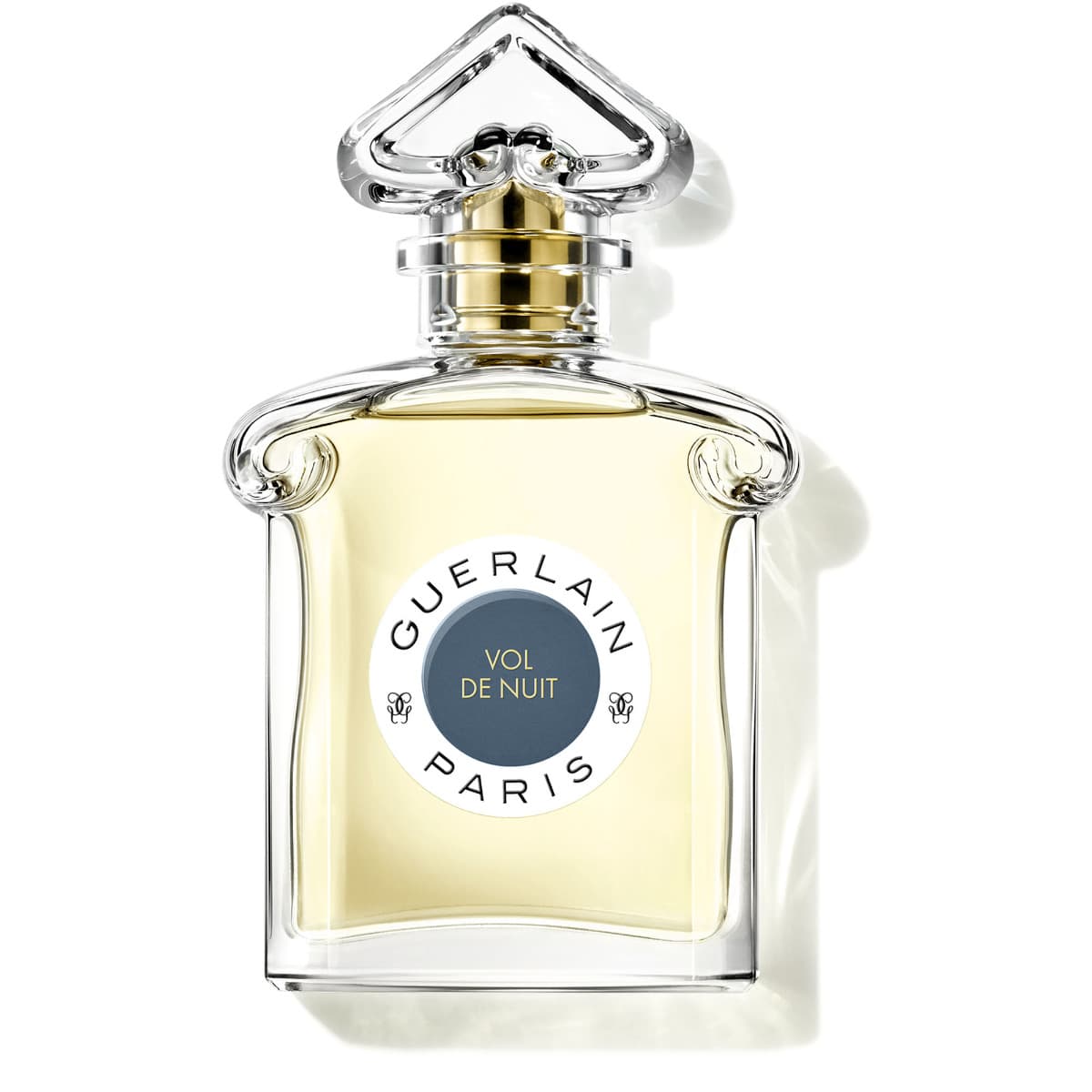
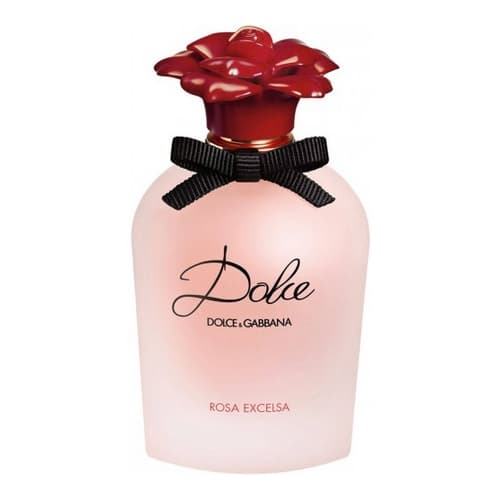
Furthermore, the jonquil is present in the latest fragrance collection from Dolce & Gabbana, particularly in Dolce Rosa and Dolce Floral Drops. It also appears in L'Eau du Printemps by l'Artisan Parfumeur, as well as in Velvet Orchid by Tom Ford, Vol de Nuit by Guerlain, or Poême by Lancôme. It thus helps create particularly feminine compositions with an unmatched springtime freshness.
Identity card
- Latin name : Narcissus Jonquilla
- Origin : Plante
- Country : FR
- Part used : Fleurs
- Type : Naturel
Perfumes with the Jonquil note
Floral Chypre
 Oriental
 Floral
 Floral