
 Citrus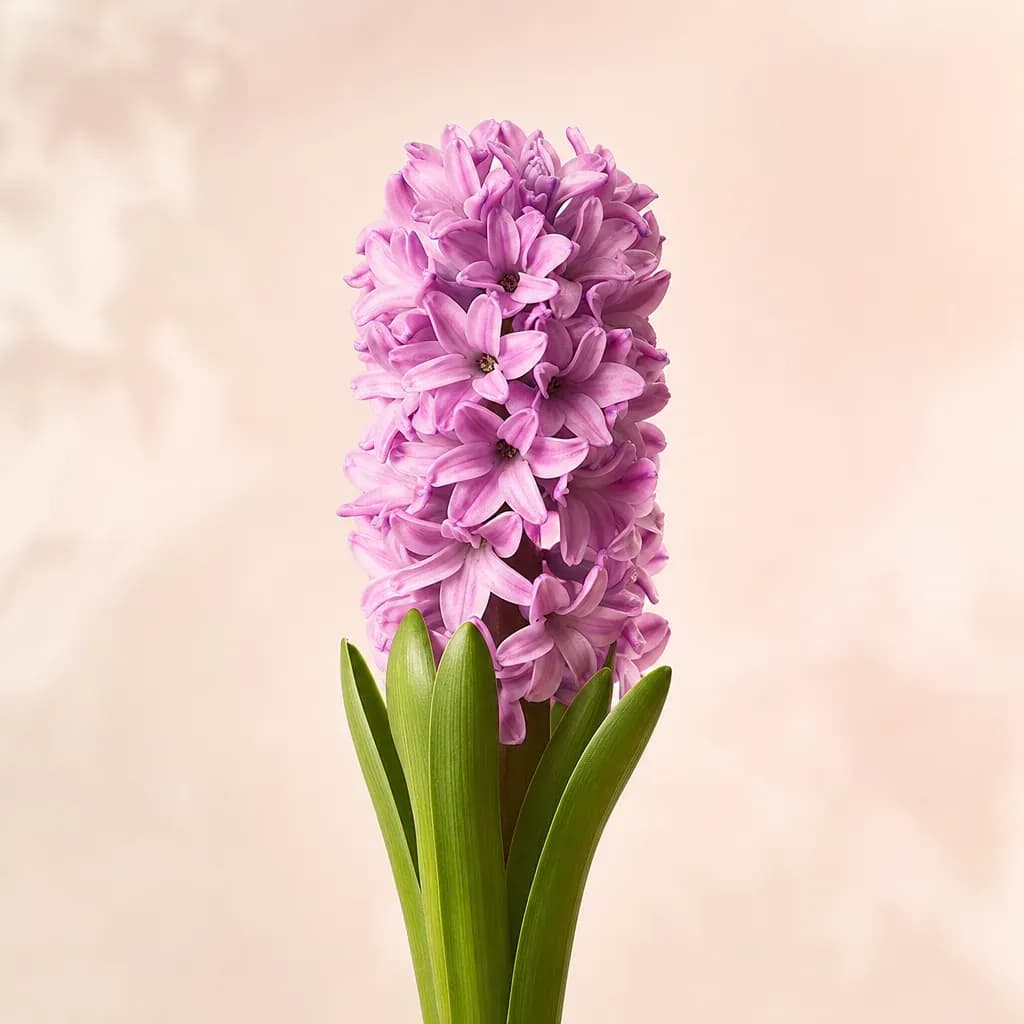
Hyacinth
In a planter, in the ground or on a balcony, hyacinth is one of spring's favorite plants. While it is highly valued for its aesthetics, it must be acknowledged that many are captivated by its irreplaceable and particularly sweet fragrance. It is therefore no surprise that hyacinth is regularly incorporated into perfumes.
The springtime allure of hyacinth
Hyacinth is a bulb plant that, for many, heralds the long-awaited arrival of spring. Easy to care for, it delights gardeners and enhances both the interior and exterior of homes. This bulb plant belongs to the genus Hyacinthus and the family Hyacinthaceae. It is native to the Mediterranean, notably Turkey, the Middle East and Central Asia. Hyacinth is characterized by its star-shaped flowers gathered into a dense and highly fragrant cluster. Available in multiple colors, it can be found in shades of pink, red, yellow, orange, white and blue. Hyacinth is a perennial plant that enchants gardens from March to May. It is nonetheless possible to force its blooming in winter and enjoy its flowers indoors during the holiday season. Already present in mythology, this plant was known to the Greeks and Romans. It also appears in numerous depictions in Persian and Turkish miniatures. It was later introduced to the Netherlands toward the end of the sixteenth century. It was not until the seventeenth century, however, that it became one of the most fashionable ornamental plants, alongside the tulip. In fact, this enthusiasm was largely sparked by Madame de Pompadour, who filled the gardens of Versailles with it. Today, in the language of flowers, hyacinth is a symbol of love and fidelity.
Hyacinth in our perfumes
Hyacinth is a flower that is far from unassuming. Indeed, its scent is particularly persistent, and it is therefore only logical that it should find its way into the heart of fragrances. Its scent is obtained through extraction with volatile solvents. However, the scent of hyacinth is increasingly reconstituted artificially by perfumers. It possesses multiple olfactory qualities, delivering a green, floral and vegetal fragrance. Moreover, it is an excellent fixative and enhances the longevity of fragrances that contain it. That said, hyacinth requires excellent mastery of the art of perfumery, as when too heavily dosed, it can quickly become overpowering.
Generally speaking, hyacinth is better suited to feminine fragrances. It can be found in Chance and Christalle by Chanel, Chamade by Guerlain, Bas de soie by Serge Lutens and Anaïs Anaïs by Cacharel.
Identity card
- Latin name : Hyacinthus
- Origin : Artificielle
- Type : Reproduction
Perfumes with the Hyacinth note
Citrus Floral
 Floral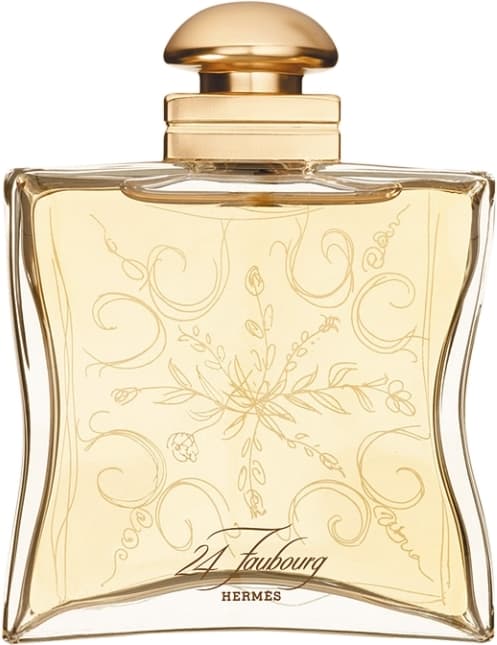
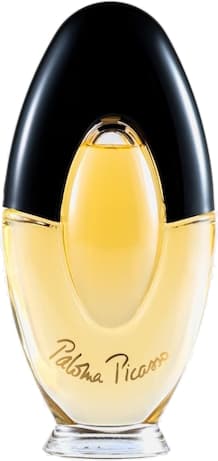
 Chypre