 Floral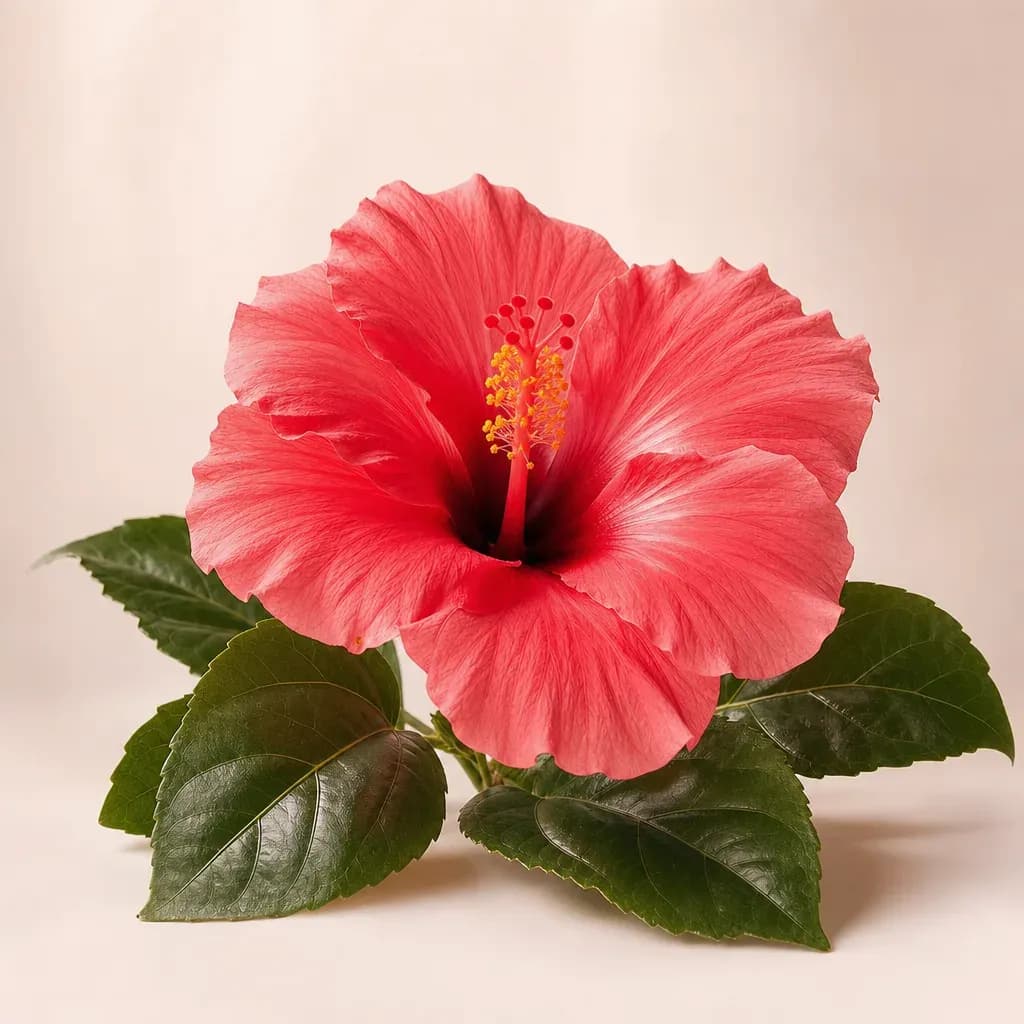
Hibiscus
The hibiscus flower belongs to the Malvaceae family. It is customary to distinguish indoor hibiscus, also called Rose of China, from outdoor hibiscus, called tree mallow. In antiquity, hibiscus was cultivated in Egypt and Southeast Asia for its particularly prized ornamental appearance. Hibiscus is a flower synonymous with summer and exoticism, as its colors are extremely rich and varied. Hibiscus needs a great deal of sunlight, so it is advisable to choose its location carefully, whether outdoors or indoors.
Hibiscus, an inexhaustible source of scent
The hibiscus flower is used in herbal medicine, as it is rich in anthocyanins and antioxidants. Hibiscus is also widely used in cosmetics, face powders, lipstick and emulsions, soaps, and bath products. Hibiscus is also a highly prized ingredient in niche perfumery. Either its seeds or its fruit are used. The seeds are distilled and yield a soft, musky scent generally used as a base note. The fruit of the “Hibiscus Esculentus” species is also called okra and is used in the preparation of many African dishes. In perfumery, it is the “Hibiscus Abelmoschus” species, also called ambrette or vegetable musk, that is widely used for the sensual sillage it leaves on skin. The scent of ambrette indeed resembles ambergris, releasing notes that are at once soft, musky, animalic, fruity or even floral. Ambrette's tonalities are highly sought after in perfumery for its amber, musky base notes. It is an ingredient of exceptional tenacity.
The use of hibiscus in perfumery
Thanks to its range of scents, hibiscus blends with every olfactory family. It is true that it is most often found in oriental compositions, as in “D&G 14- La Tempérance” by Dolce & Gabbana, a floral oriental. Here, both hibiscus seeds, as a top note, and hibiscus flower, as a heart note, are found. Hibiscus is also found within floral compositions, as in “Eau Tropicale” by Sisley, a woody-musk floral where hibiscus appears as a top note while the seeds appear as a base note, alongside patchouli and cedarwood. Another woody-musk floral featuring ambrette is the fragrance “Elle”, by Yves Saint Laurent. Hibiscus can also be found in chypre-floral perfumes such as “Noa Fleur” by Cacharel or also “EauDemoiselle” by Givenchy. Hibiscus is also part of many woody, masculine perfumes such as “L'Instant d'un Été pour Homme” by Guerlain or also “Egoïste” by Chanel. Finally, hibiscus can also be found within aromatic compositions such as “Costa Azzurra” by Tom Ford, where ambrette exceptionally appears as a top note, alongside oud, cardamom and driftwood.
Highly prized in perfumery, hibiscus is used in a great many fragrances. Thanks to its numerous olfactory scents, it harmonizes with every family and each time finds the place that suits it.
Identity card
- Country : ID
Perfumes with the Hibiscus note
Floral Oriental
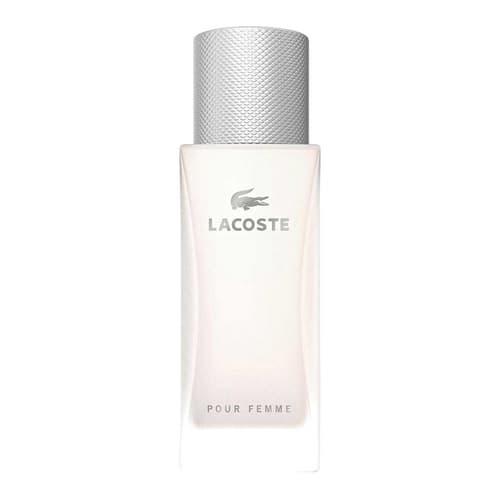 Floral
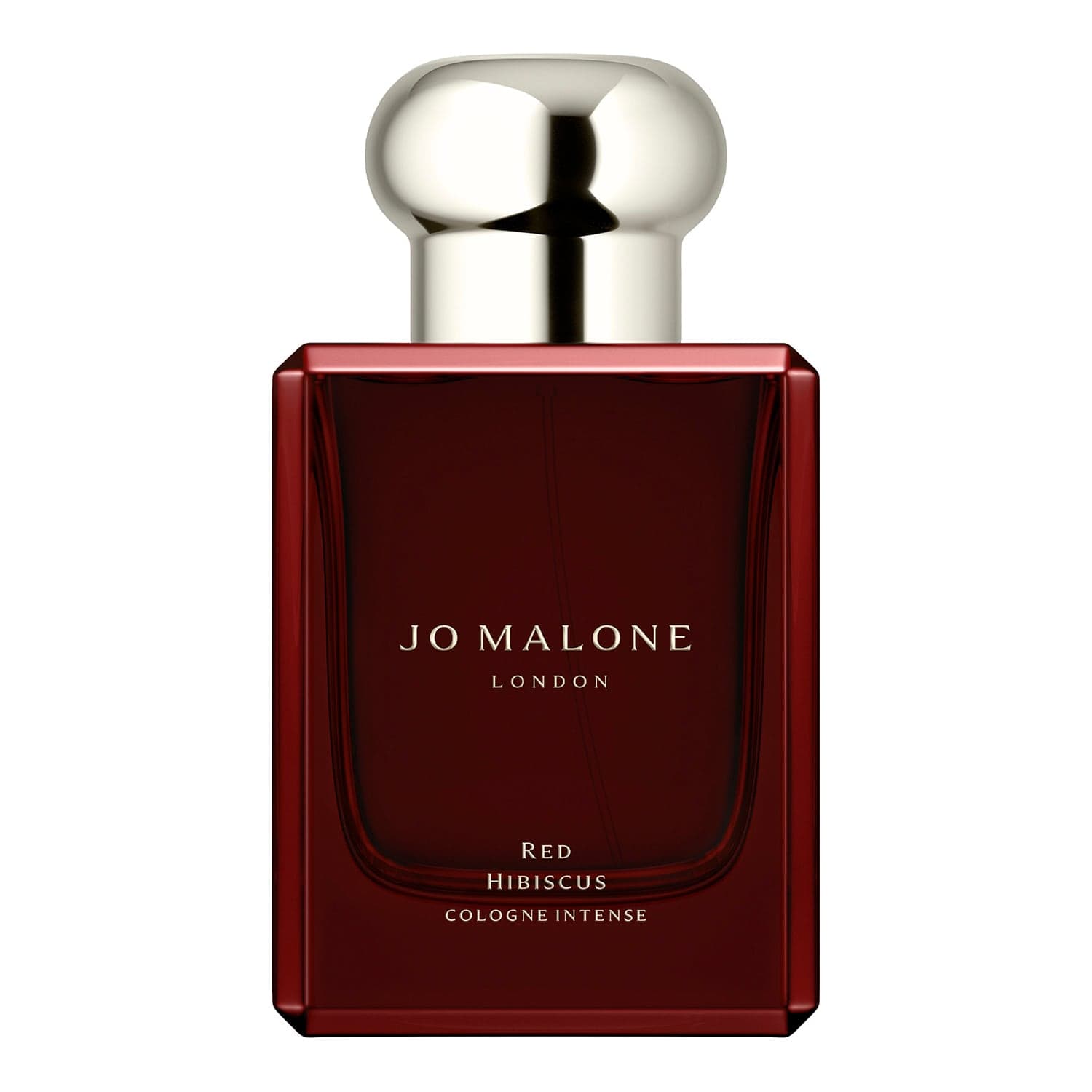 Oriental
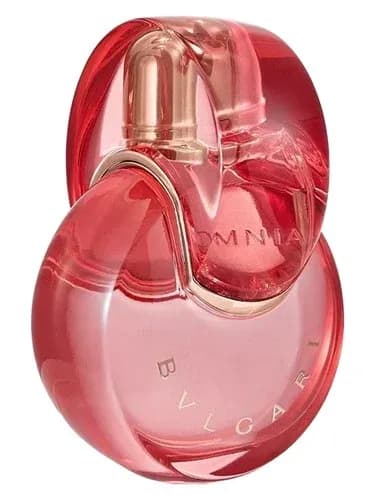 Floral
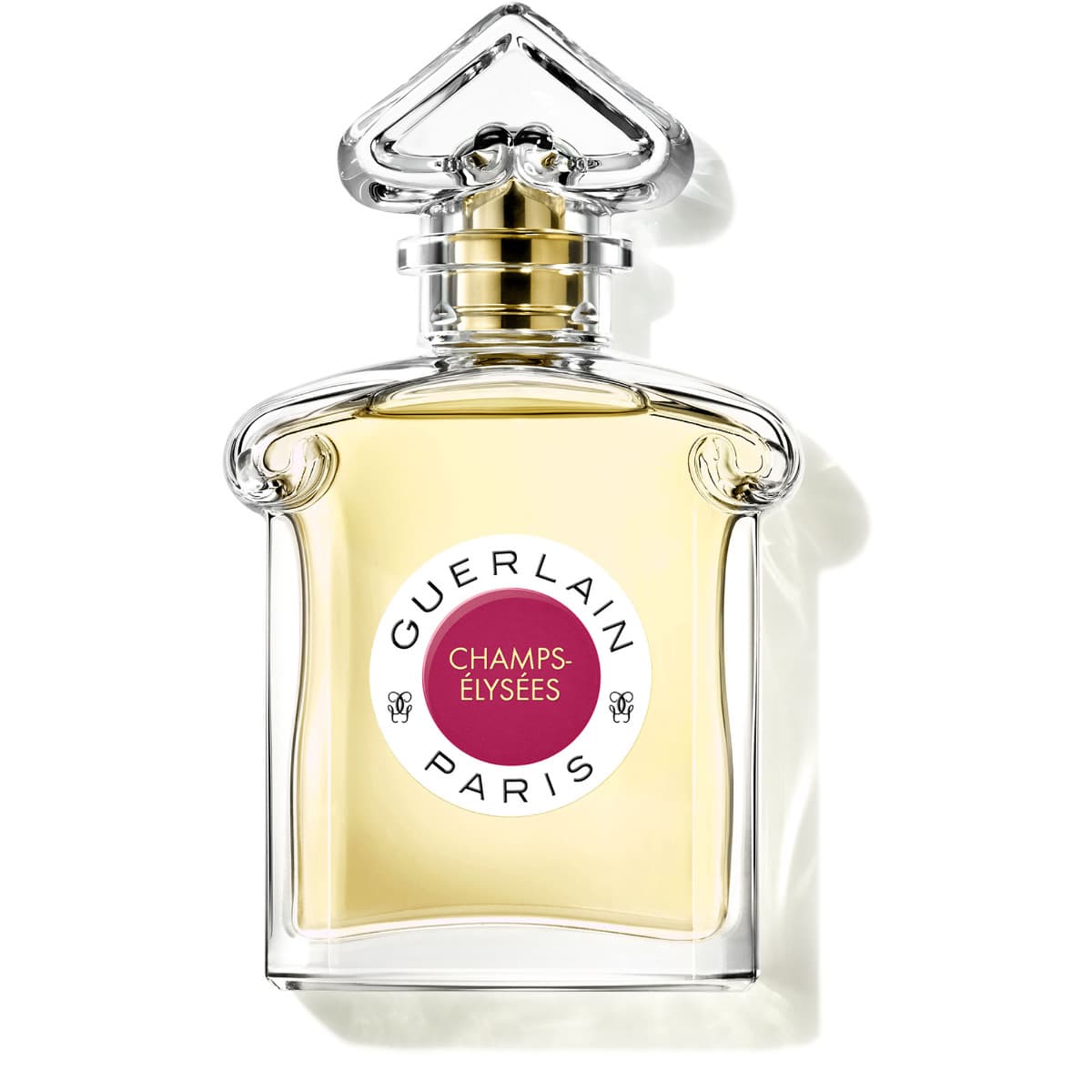 Floral
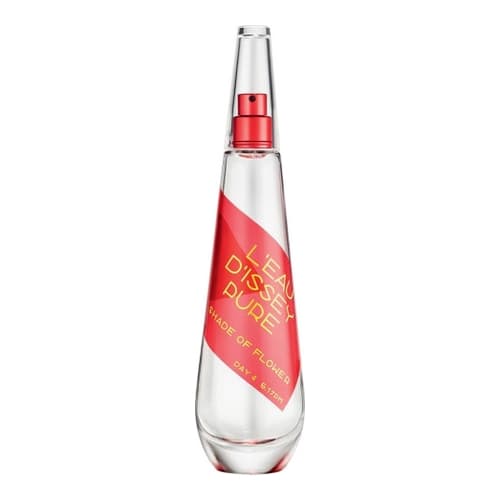 Floral