
 Chypre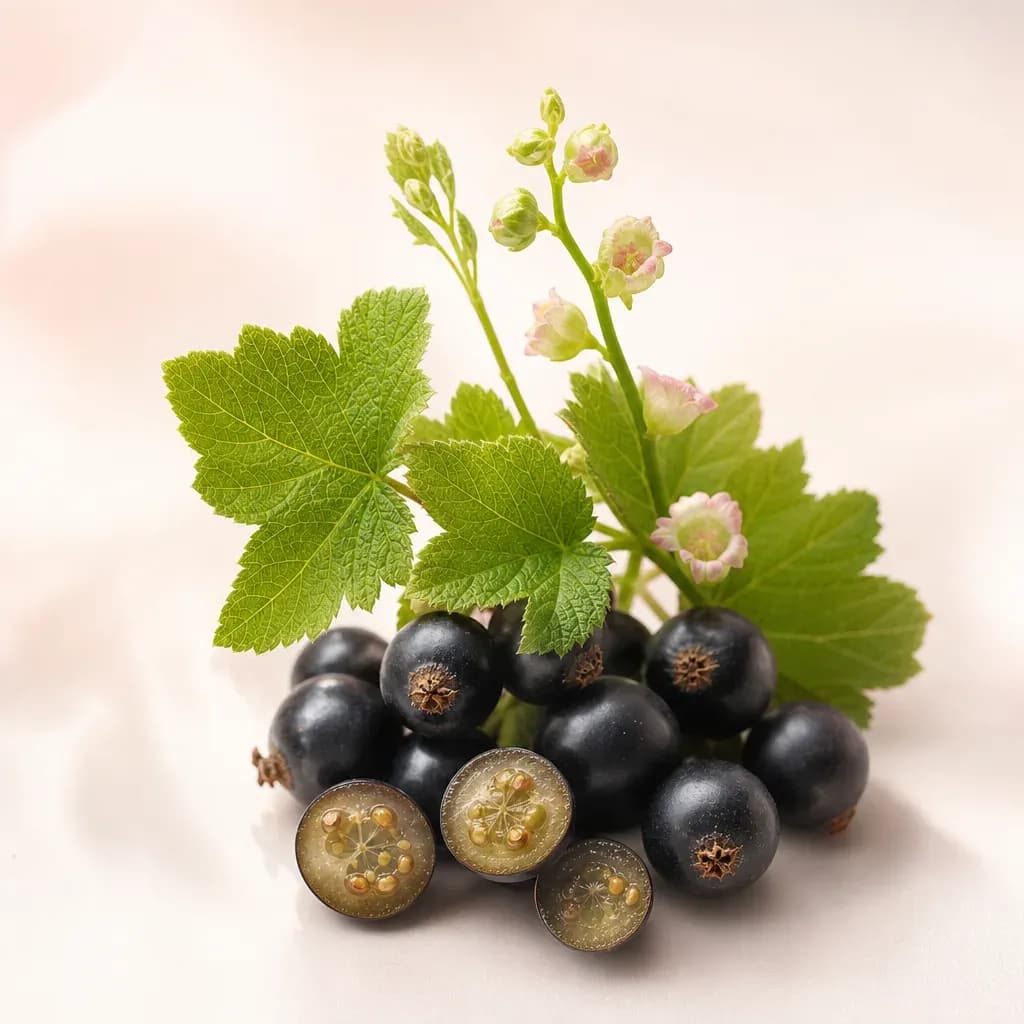
Blackcurrant
When summer arrives, fragrances tend to become less opulent and lighter. The compositions suddenly become sublimated with flowers and fruits, offering romantic or bucolic olfactory strolls. Also, among the many fruits used in perfumery, blackcurrant lends a very sparkling air to the fragrances that contain it.
The origins of blackcurrant
Blackcurrant is a black berry with smooth skin, most often forming clusters, strongly aromatic and topped with the remains of the calyxes of the flowers from which they originate. The origin of this fruit is particularly ancient. Indeed, blackcurrant was already known to the Greeks and Romans. Archaeologists have even managed to find the first testimony of its therapeutic action dating back to the twelfth century. This describes blackcurrant as a means of curing gout attacks. Similarly, it highlights the benefits of its leaves against insect bites. Meanwhile, in 1571, the botanist Gaspard Bauhin described it as a table fruit. At that time, it was associated with numerous medicinal virtues, notably as a remedy against migraines, fever, and rheumatism. It was from the nineteenth century onward that this fruit was used to make liqueur. Even today, blackcurrant is a fruit recognized for its many health benefits. It contains various B-group vitamins, with the exception of B12, and is very beneficial during pregnancy. Indeed, it supports the proper development of the fetus, particularly during the first trimester. Furthermore, this berry helps effectively fight various allergies. Finally, its content rich in minerals, notably potassium and magnesium, as well as its fiber, promotes digestion and helps fight cholesterol. In other words, the reputation of blackcurrant is well established, and its cultivation is very present in the Burgundy region. Côte-d'Or thus appears to be the French leader in the production of this fruit, with 40% of the tonnage produced. Globally, however, this position is held by Russia.
Blackcurrant in perfumery
In terms of perfume, blackcurrant proves to be a fruit just as remarkable as in terms of its medicinal properties. Moreover, it is one of the few fruits that can be used in natural form. Perfumers use both its leaves and its bud. To do this, its scent is extracted using a solvent. Blackcurrant then yields an absolute with a green, sulfurous, sour, bitter, and animalic odor. Blackcurrant buds are harvested at the beginning of the year and prove to be a very costly product. As such, it is a raw material exclusively reserved for niche perfumery. It is mainly found in eaux fraîches or in masculine fragrances with a coniferous scent.
Despite its exorbitant price, blackcurrant remains an ingredient widely used by the greatest luxury houses. It is notably present in Le Monde est Beau by Kenzo, in Chamade by Guerlain, in Corsica Furiosa by Parfum d'Empire, and in Vent de Folie by Annick Goutal.
Identity card
- Latin name : Ribes nigrum
- Origin : Artificielle
- Type : Reproduction
Perfumes with the Blackcurrant note
Chypre Citrus
 Floral
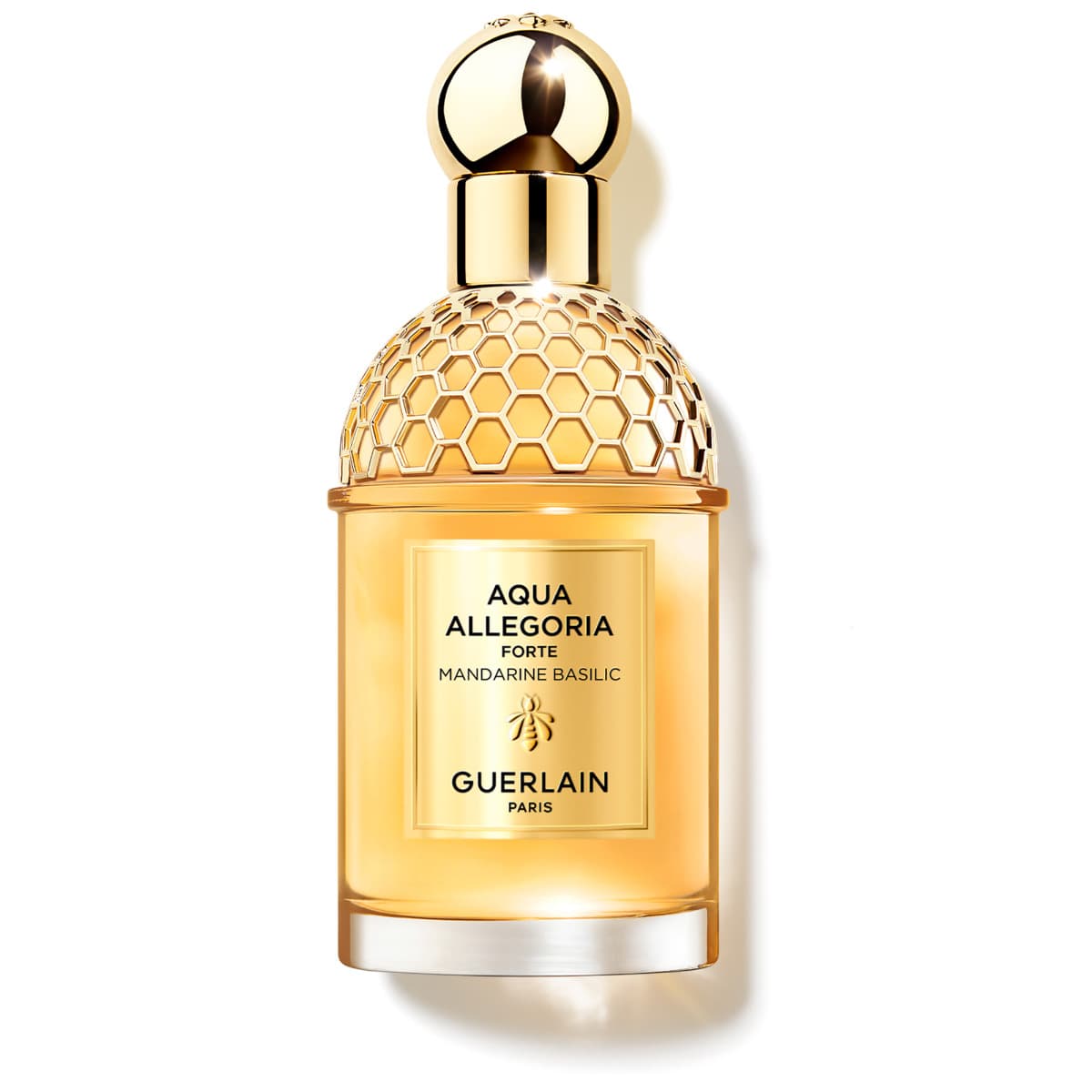 Aromatic
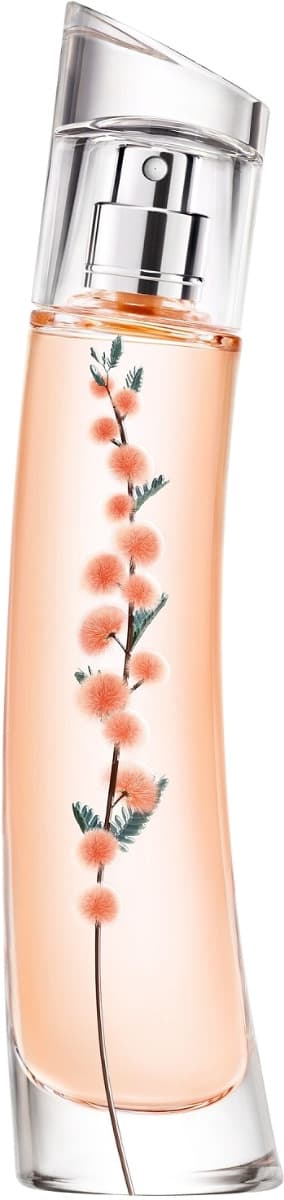 Floral
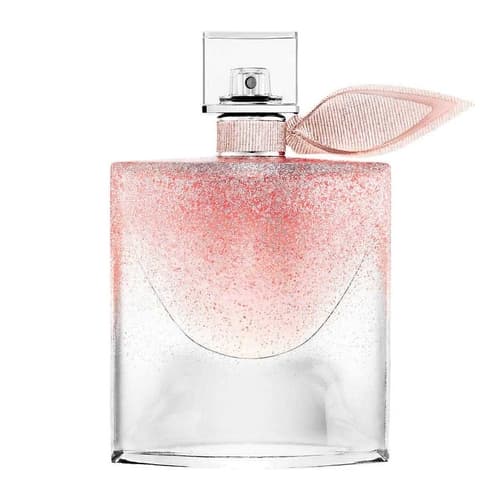 Floral
 Floral
 Floral
 Oriental
 Oriental
 Floral