
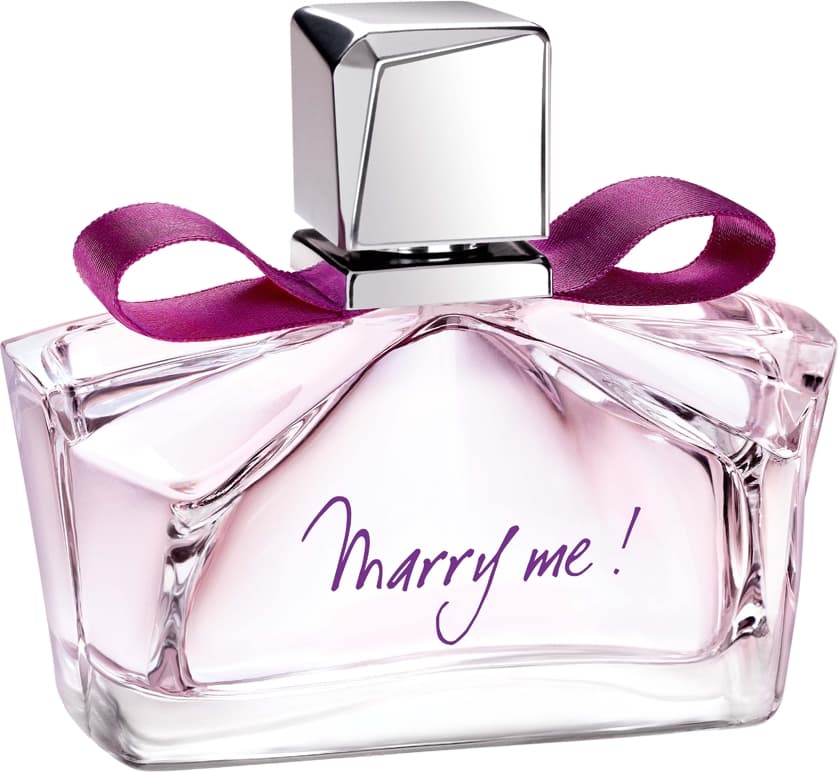
 Floral
Lanvin
There are brands that can no longer be dissociated from our French heritage, so much have they shaped the history of our country and helped establish its prestigious image throughout the world. Such is the case of the house of Lanvin. This French brand marked its 125 years of existence in 2014. A look back at its history and its finest creations…
Lanvin perfumes
Floral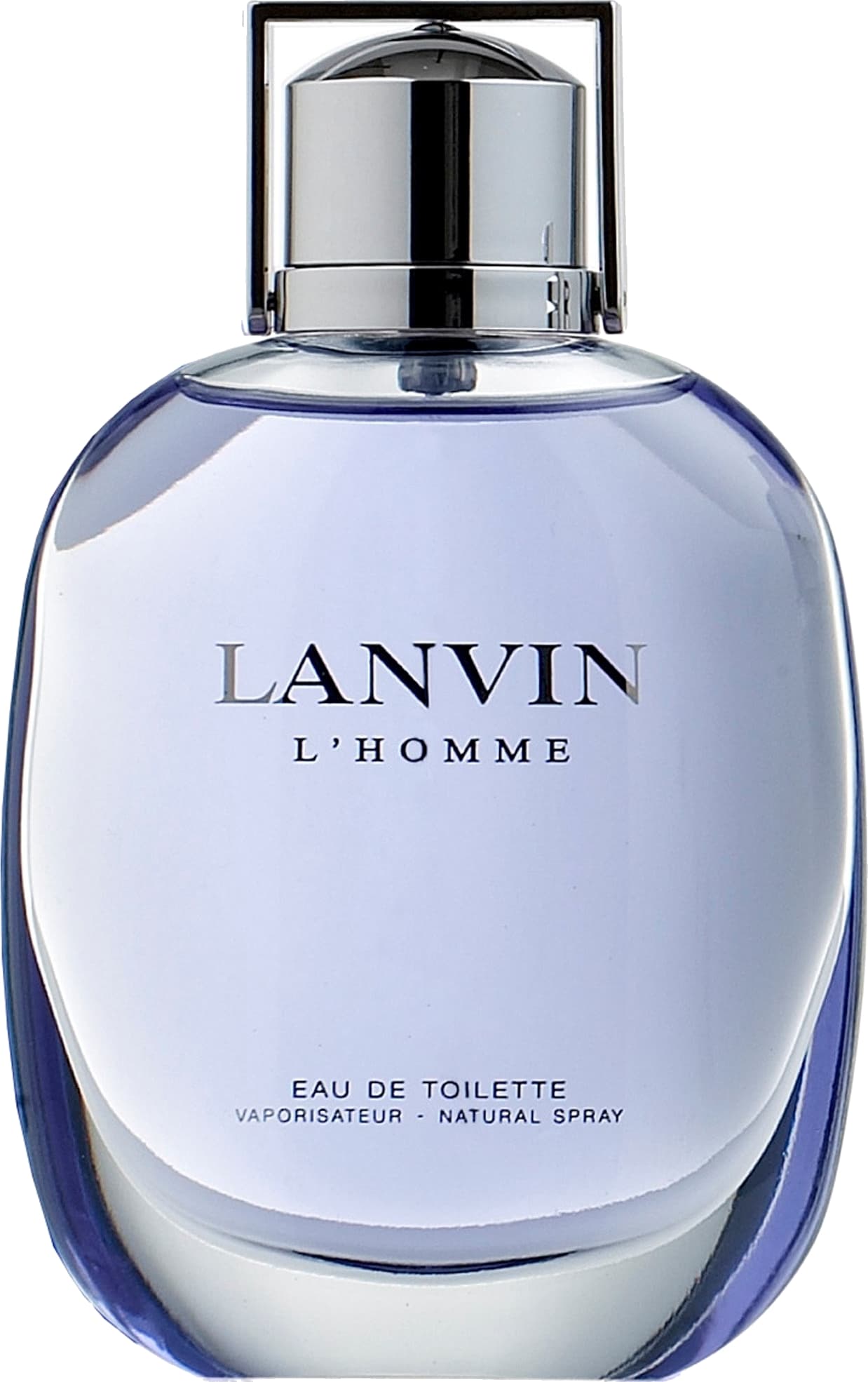 Fougère
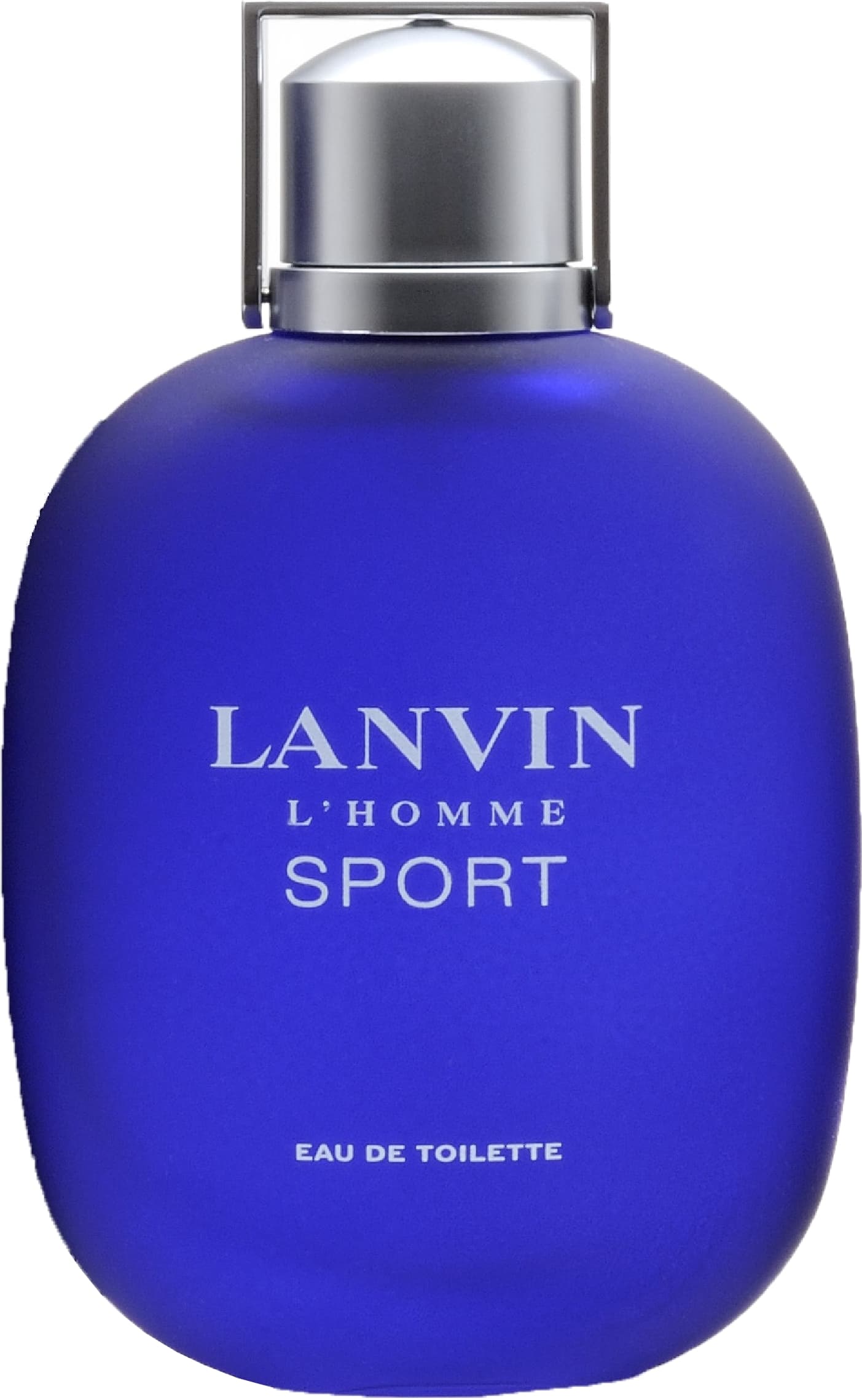 Aromatic
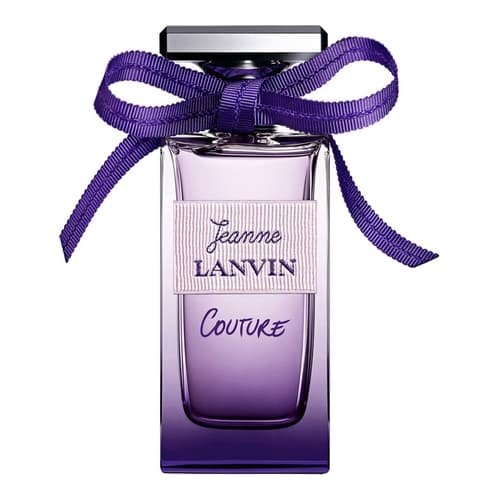 Floral
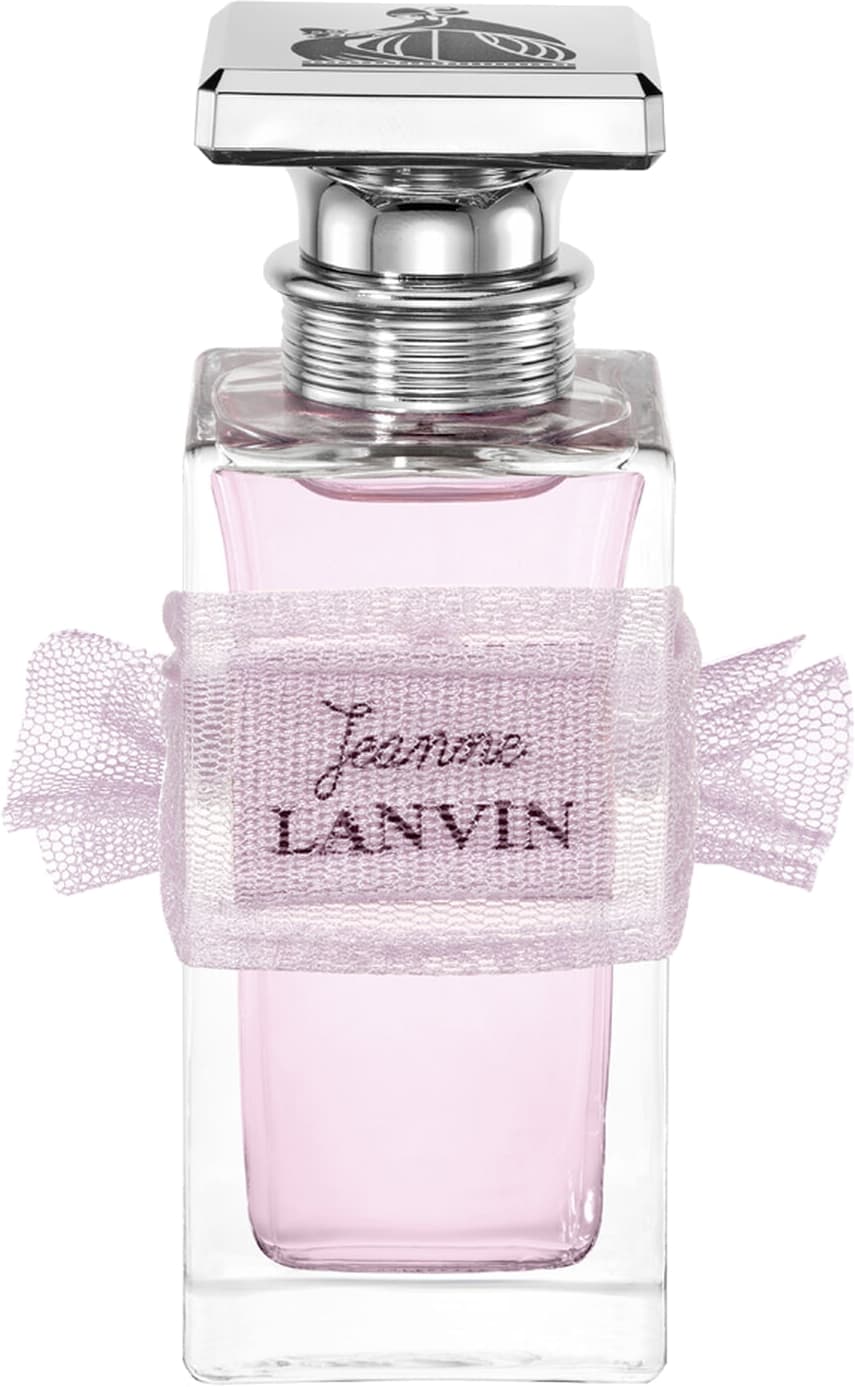 Floral
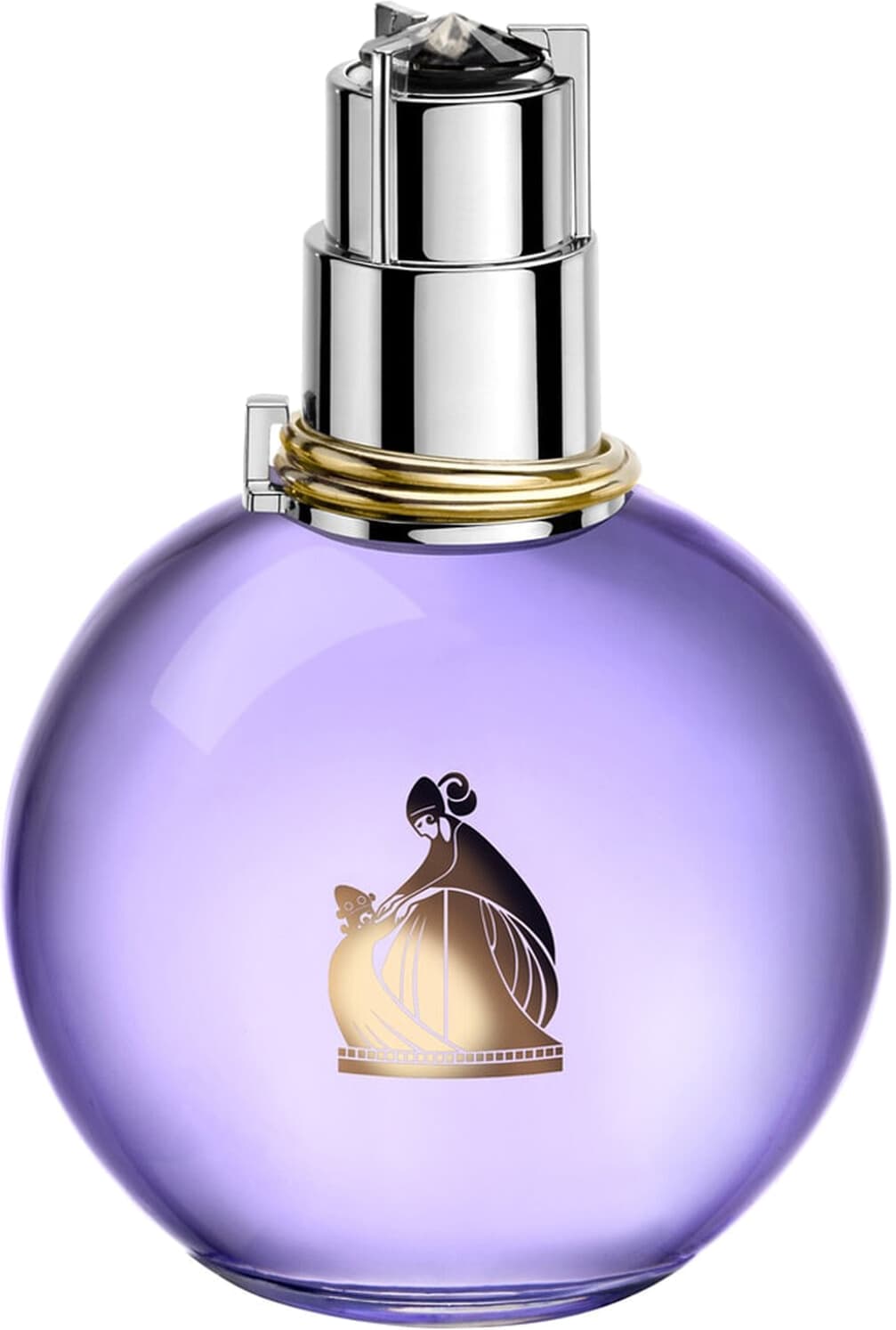 Floral
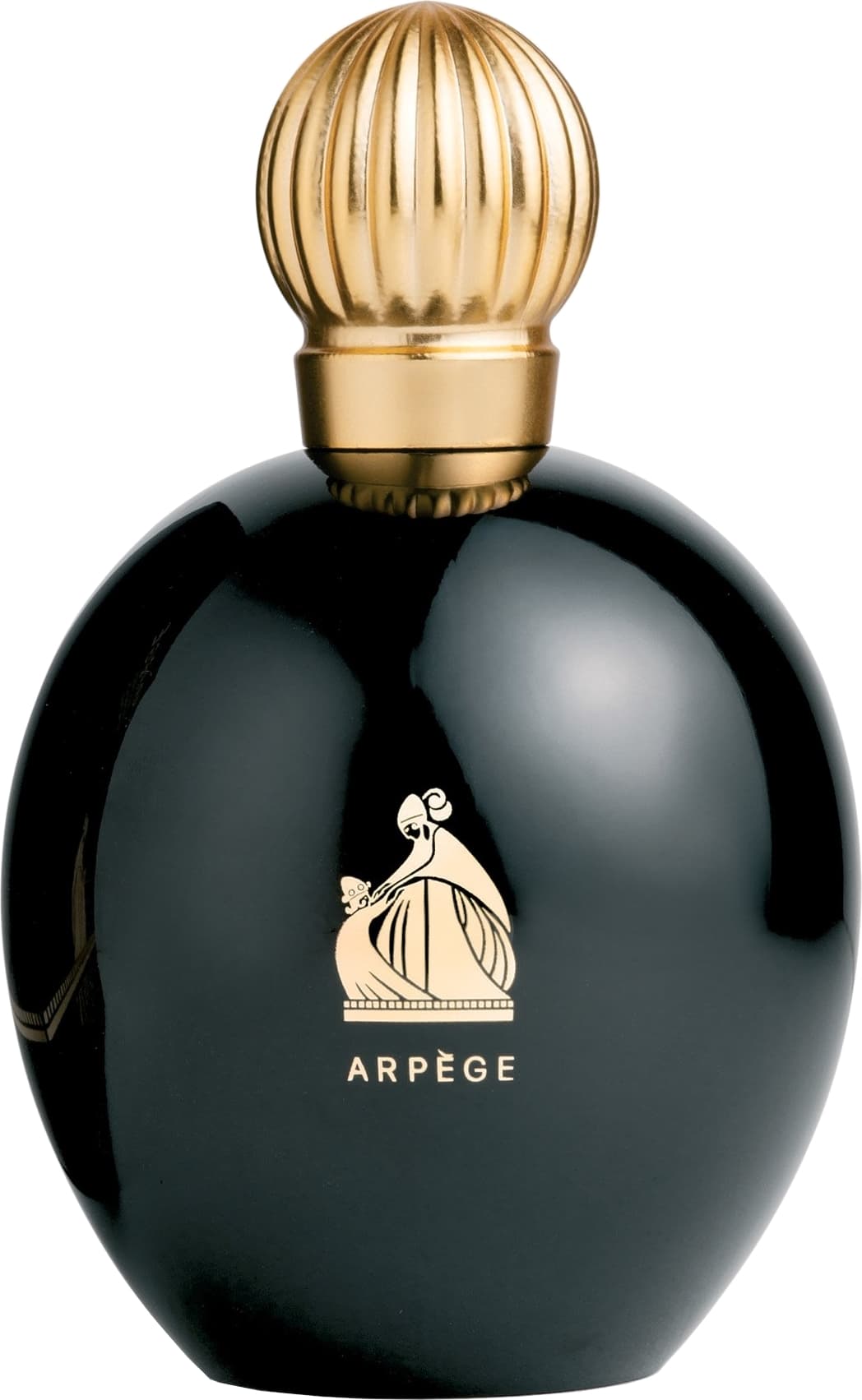 Floral
Lanvin, an emblematic Parisian brand
The history of the house of Lanvin takes us to the heart of Paris, in 1889. Indeed, it came into being just as the Eiffel Tower itself had barely risen from the ground. Lanvin owes its existence to Jeanne Lanvin, a creator who opened her very first shop on rue du Faubourg Saint-Honoré, an address that has since become legendary and that still remains the company's headquarters. She settled there as a milliner and began by making children's clothing, drawing inspiration from her daughter Marguerite. Then, Lanvin gradually moved toward the world of women's fashion. It was in 1909 that Jeanne Lanvin truly took on the status of a couture house by joining the couture union. Nevertheless, it took until the 1920s to see considerable growth of this house. At that time, Lanvin already had 1200 employees, occupying three buildings in Paris and seven branches around the world. It was then that this growing company decided to broaden its business. First, Lanvin developed a sportswear line in 1923. Then, in 1924, it decided to venture into perfumery before creating lingerie in 1926.
The sumptuous fragrances of Lanvin
Lanvin's first fragrance was created by the nose André Fraysse. It simply bore the name of the house. Then it was followed by one of the greatest fragrances of the last century, Arpège, created in 1927 for the 30th birthday of Marguerite, Jeanne Lanvin's beloved daughter. Its name was inspired by the creator's love of music. This was followed by a whole array of prestigious fragrances such as Scandal, Rumeur, and Prétexte, until Jeanne Lanvin's death in 1946, at the age of 79. Marguerite then took over the direction of the house until her own death in 1958. Numerous olfactory creations followed, such as Crescendo in 1964, Monsieur Lanvin in 1966, Vetyver Lanvin in 1971, Cardomone in 1983, Lanvin Homme in 1987, and Oxygène in 2000. It was then that the talented Albert Elbaz arrived at the head of Lanvin's artistic direction. He joined the company in October 2001, at a time when Lanvin had been acquired by the L'Oréal group. His talent helped considerably renew the house's image. Moreover, he also paid tribute to the brand's creator, Jeanne Lanvin, with an eponymous fragrance created in 2008.
Today, Lanvin's success is such that the house's creations are in high demand across the globe. It has more than 400 points of sale around the world, including more than thirty boutiques under its own name. Moreover, Lanvin's storefront on rue du Faubourg Saint-Honoré in Paris continues to perpetually delight passersby.