
 Woody
Woody
Balenciaga
Balenciaga: The couturier famous for draping signs beautiful floral or oriental fragrances
The famous Spanish designer left his mark on 20th-century fashion by bringing volumes and draping, playfulness and originality to it. Cristobal Balenciaga opened his first haute-couture house in Spain in 1918. Having taken refuge in Paris in 1937, the couturier would go on to offer designs crowned with success that would soon be accompanied by beautiful fragrances.
Balenciaga perfumes
Woody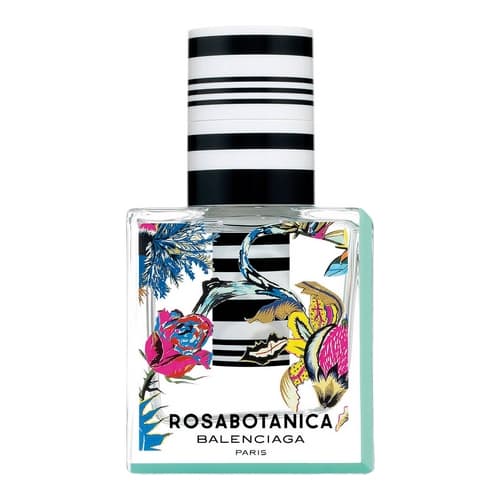 Floral
 Floral
 Floral
 Floral
 Woody
WoodyThe Balenciaga house would endure after its creator's departure, though it would take until the new millennium for it to finally recover the creative and daring genius of its early days, in haute couture as in perfumery...
When Balenciaga, the whimsical architect of couture, creates perfumes...
Cristobal Balenciaga began his apprenticeship at the age of twelve in a Spanish haute-couture house, in the country of his birth. Talented and creative, Balenciaga was soon noticed by the great names of 1920s Parisian fashion such as Coco Chanel and Elsa Schiaparelli. Fascinated by the talent of these great ladies, Balenciaga would build and unbuild their designs to understand their construction, which would later allow him to play with volumes by creating complex architectures in his haute-couture creations.
Cristobal Balenciaga opened his first couture house in 1918 in San Sebastian, though the Spanish Civil War forced him to flee his country and take refuge in Paris where, ironically, he became the darling of the world's elite. The stars flocked to 10 avenue de Montaigne, the couturier's house that has been famous since 1937, and in order to meet the expectations of his clientele, the Balenciaga Parfums line was launched in 1947.
Balenciaga perfumes and the fresh wind of Nicolas Ghesquière
Le Dix, released in 1947, the very first fragrance from Balenciaga perfumery, presents beautiful floral and powdery notes while offering a deep, animalic sillage. Topped with a classic, flashy cap, Le Dix stands out for its appearance and its elegant juice, sparkling with femininity, which would remain a great classic of modern perfumery, although it has now disappeared.
Buoyed by the success of this first fragrance, Balenciaga released the beautiful floral La Fuite des Heures in 1948, then the sensual and ultra-feminine Quadrille in 1955, and finally Eau de Balenciaga in 1962.
In 1968 Balenciaga closed its Paris house and the Balenciaga name would survive only through its perfumes and clothing lines. Still crafted with care, Balenciaga perfumes would nevertheless no longer be imbued with the genius of their creator Cristobal, which made them less famous. However, a few exceptions would upend this state of affairs, such as the 1971 release of the fougère Ho Hang or the appearance in 1994 of the magnificent oriental Talisman.
It would take until 1998 and the appointment of Nicolas Ghesquière for the Balenciaga haute-couture house to regain its beautifully whimsical colors and the splendor of its creativity. This renewal also touched Balenciaga's perfumes: the release of the rich and complex Cristobal in 1998, a fragrance paying tribute to the creator, marked this new fragrant lineage.
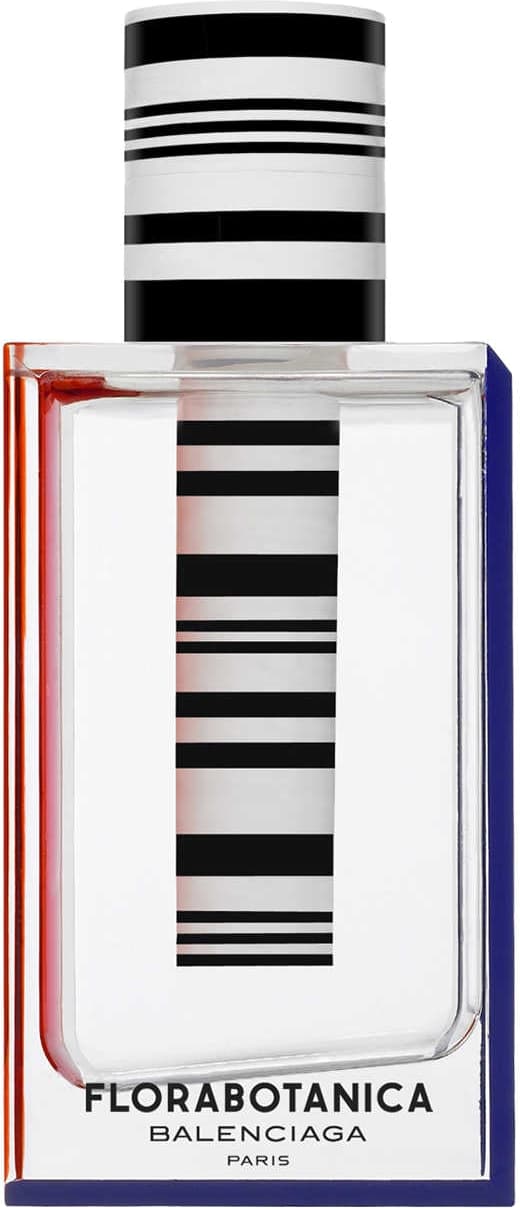
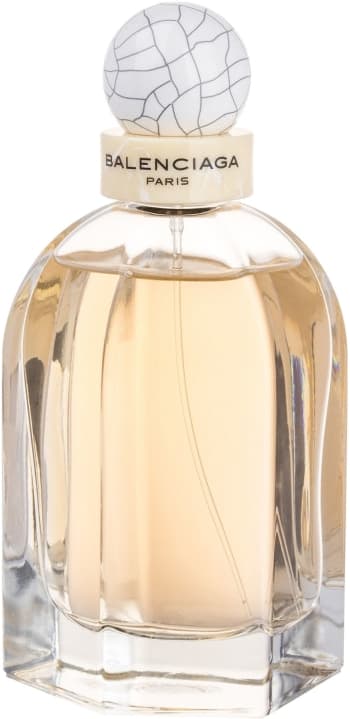
After a masculine version of Cristobal, the luminous and thoroughly floral Balenciaga Paris was released in 2010, worn, like a return to the upper echelons of fashion, by a sparkling and dazzling Charlotte Gainsbourg. Afterward, Balenciaga would offer beautiful, complex and original fragrances every new year: in 2011, Le Parfum Balenciaga Paris L'Essence; in 2012, the striking and explosive Florabotanica; in 2013, the passionate La Fragrance L'Eau Rose. In 2014, Balenciaga and its creator of genius Ghesquière presented a rose worked through all its facets in the powerful, spicy floral Rosabotanica.