 Oriental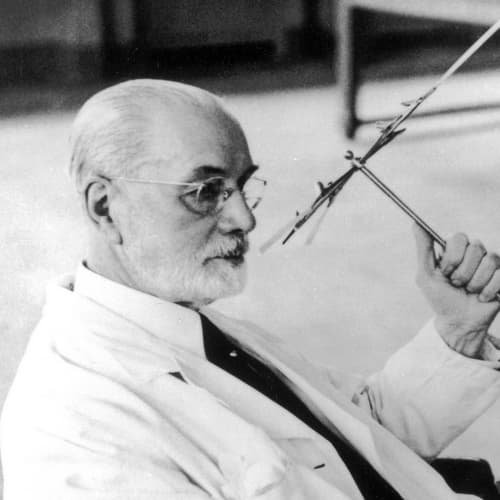
Jacques Guerlain
Far more than a mere perfumer, Jacques Guerlain is a perfumer who stands almost as a historical figure in French history. He is without question the most famous member of the Guerlain family and has left a lasting mark on perfumery. A particularly prolific perfumer, he is said to have composed nearly 400 perfumes, some of which are still, to this day, considered true legends. A look back at his life, his work and his extraordinary destiny.
From Jacques Guerlain's beginnings to the creation of Shalimar
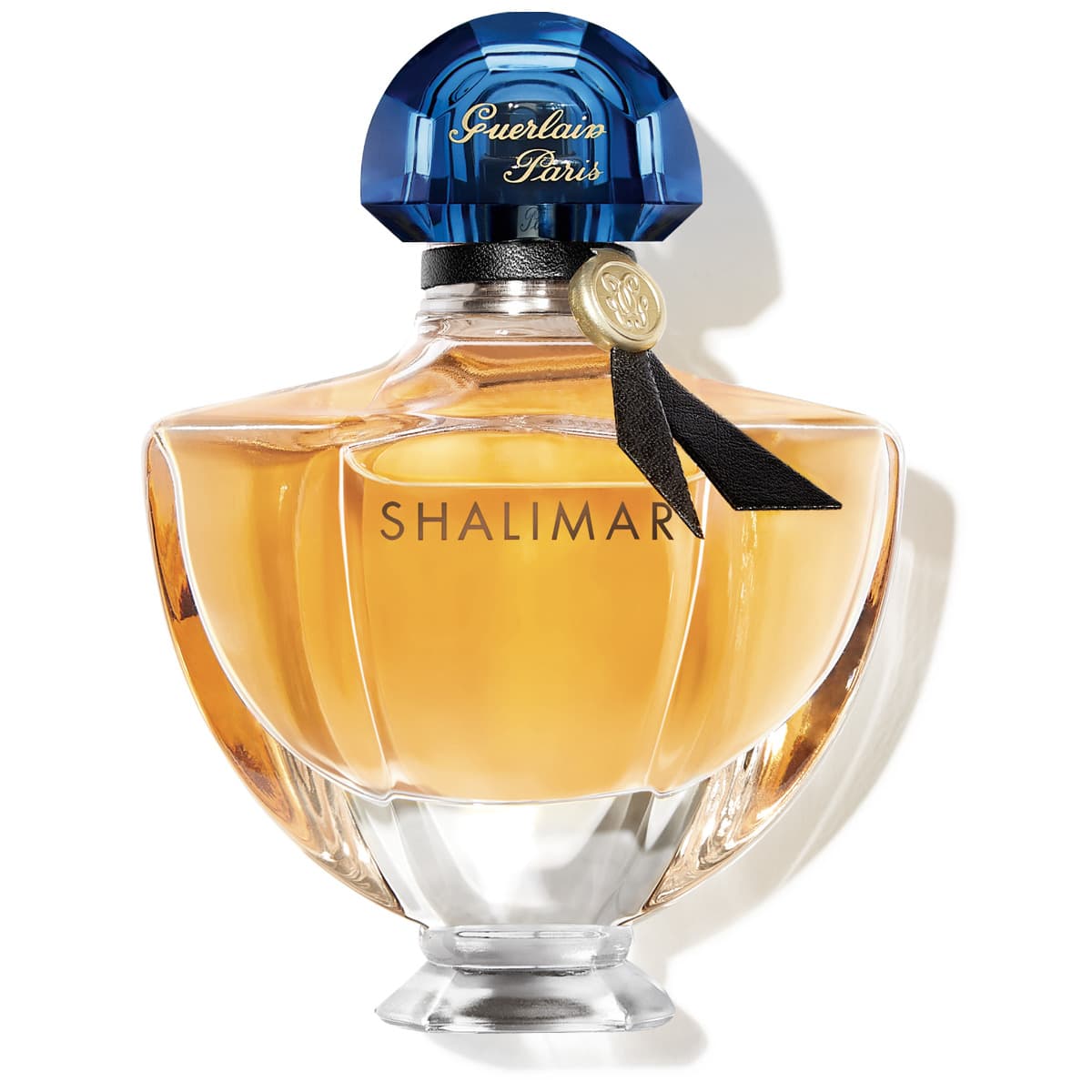
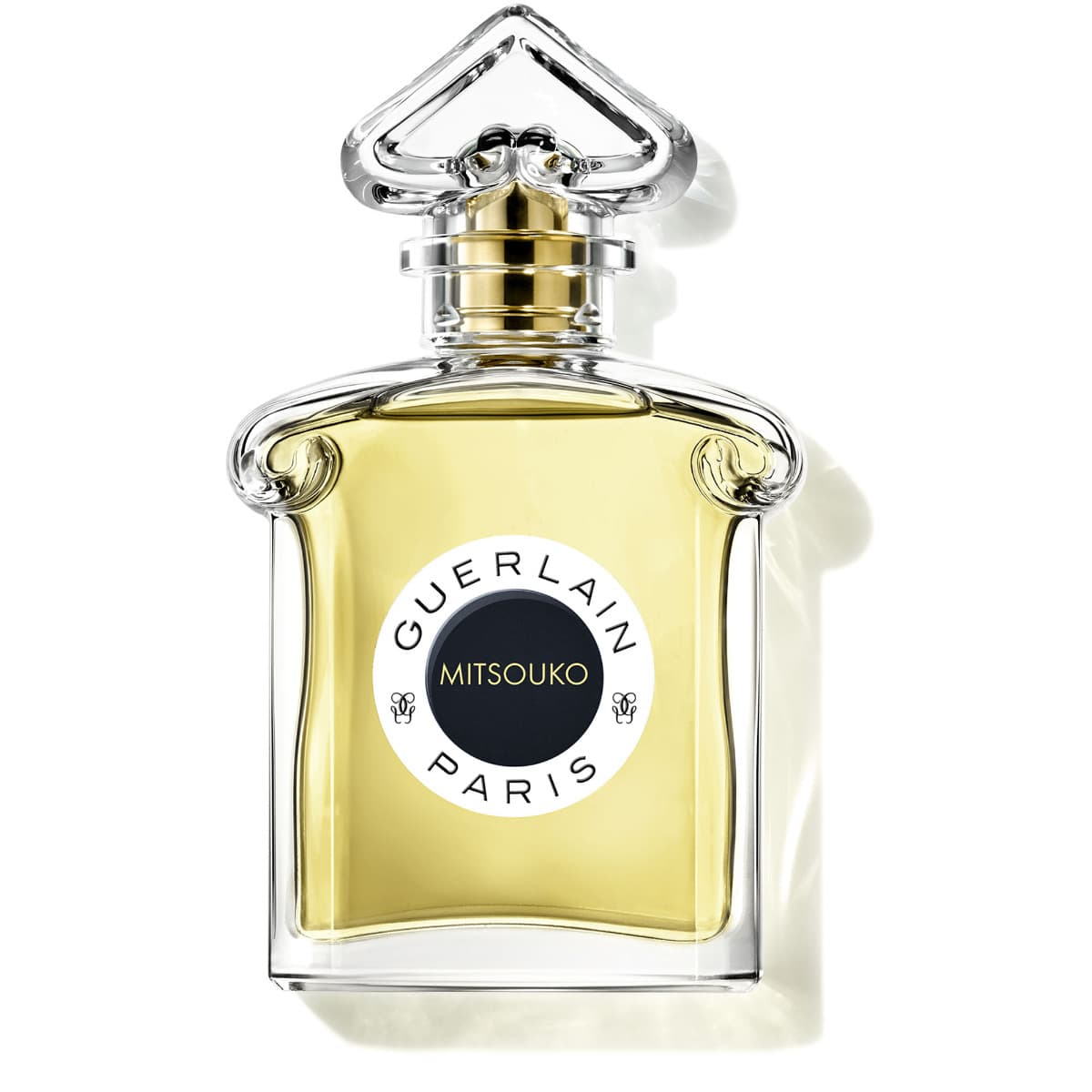
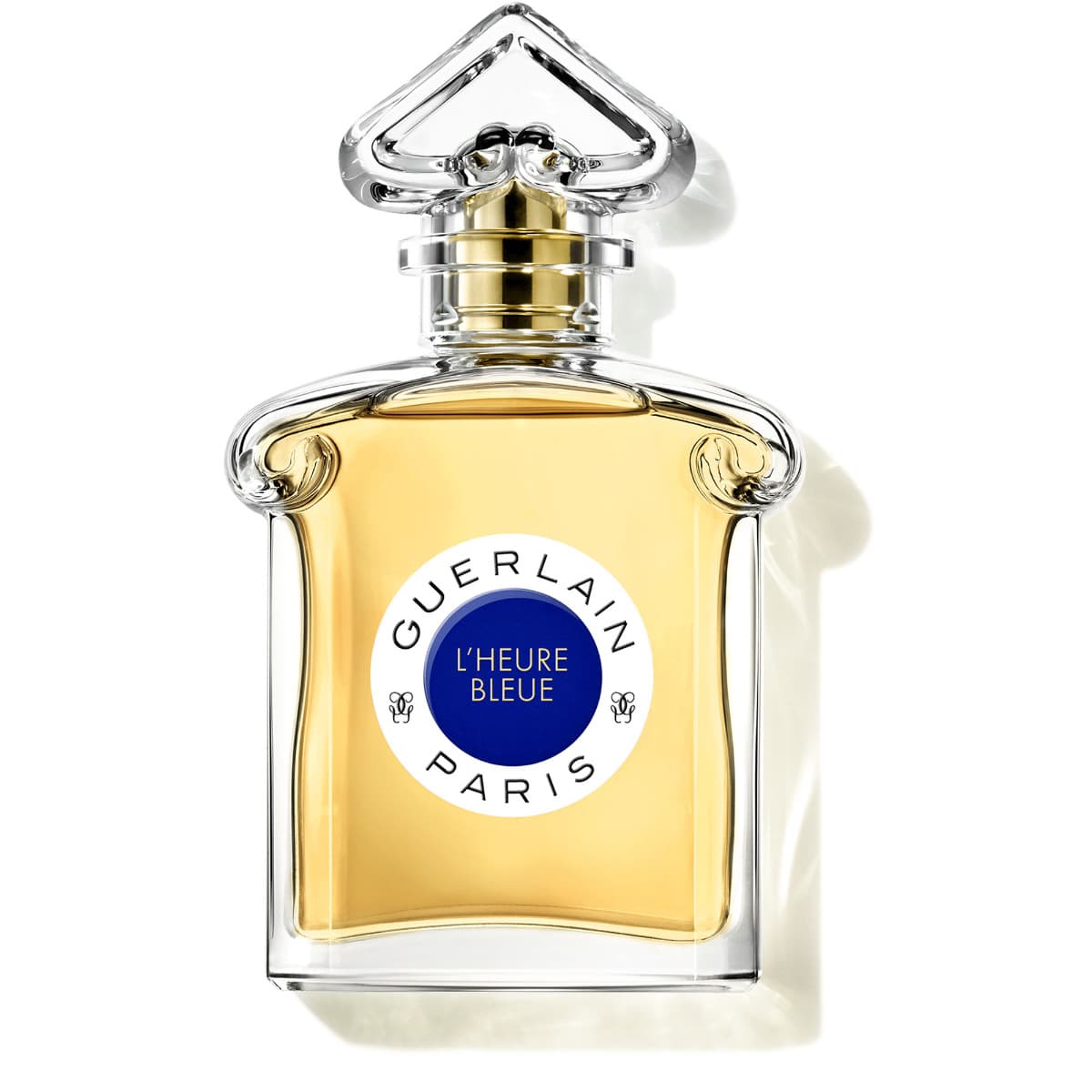
Jacques Guerlain was born in 1874 and was educated in England before joining the École Monge in Paris. His uncle, Aimé Guerlain, was already a perfumer. He had no children and took Jacques Guerlain under his wing as an apprentice when the latter was 16 years old. It was in 1890 that Jacques Guerlain created his first perfume, named Ambre. Eager to perfect his craft, he took organic chemistry courses at the Charles Friedel laboratory at the University of Paris. Once he finished school, he was officially hired by the family company in 1894. He composed his first works and thereafter assumed co-ownership of the family business, along with his brother Pierre. In 1899, he named himself head perfumer. A year later, Jacques Guerlain took part in the Exposition Universelle, presenting a floral fragrance as a tribute to Sarah Bernhardt, a family friend. Creations followed one after another until the composition of his first great success, L'Heure Bleue. This was created in 1912 and stemmed from Jacques Guerlain's passion for impressionism. Likewise, it was on the eve of the First World War that Jacques Guerlain composed the perfume Champs Elysée, in 1914. His creative output was then halted for a few years, as Jacques Guerlain was called to war and also lost the use of one eye during the fighting. Nevertheless, he returned in 1919 with Mitsouko, an emblematic fragrance resulting from several hundred trials. This was followed, in 1925, by one of the greatest fragrances in the history of perfumery: the iconic Shalimar. This was presented at the Exposition Internationale des Arts Décoratifs et Industriels Modernes and its success has never faltered to this day. A genuine best-seller, it still embodies the golden age of perfumery today.
The end of Jacques Guerlain's career
By this point, Jacques Guerlain's renown and expertise no longer needed to be proven. Many fragrances followed, several of them oriental, the creator's favorite family. Indeed, Jacques Guerlain had always been fascinated by the Orient. He drew his creativity from the richness of the colors and scents emanating from those distant lands. Likewise, Jacques Guerlain always composed with love and passion. He even taught his grandson: One always creates perfumes for the woman with whom one lives and whom one loves. Nevertheless, his life took a tragic turn during the Second World War. His youngest son, Pierre, was mobilized and mortally wounded. Jacques Guerlain was devastated by his death and stopped creating for two long years, an eternity given Jacques Guerlain's incomparable productivity. Likewise, the Guerlain factory located in Bécon Les Bruyères was destroyed by bombing the following year. Jacques Guerlain fell into a deep depression. The last 18 years of his life were marked by his sorrow, and he continued to work, although creating far less than before. He even confided to his grandson: I create nothing more than perfumes for old ladies. Finally, his story came to an end in 1963, when he died at the age of 88, weakened by a fall that fractured his femur. He was then buried alongside his son Pierre and his father, at the Passy cemetery.
Throughout his career, Jacques Guerlain distinguished himself from his peers through his discernment, creativity and boldness. He left behind an immense legacy and greatly contributed to shaping perfumery as we know it today.