
 Floral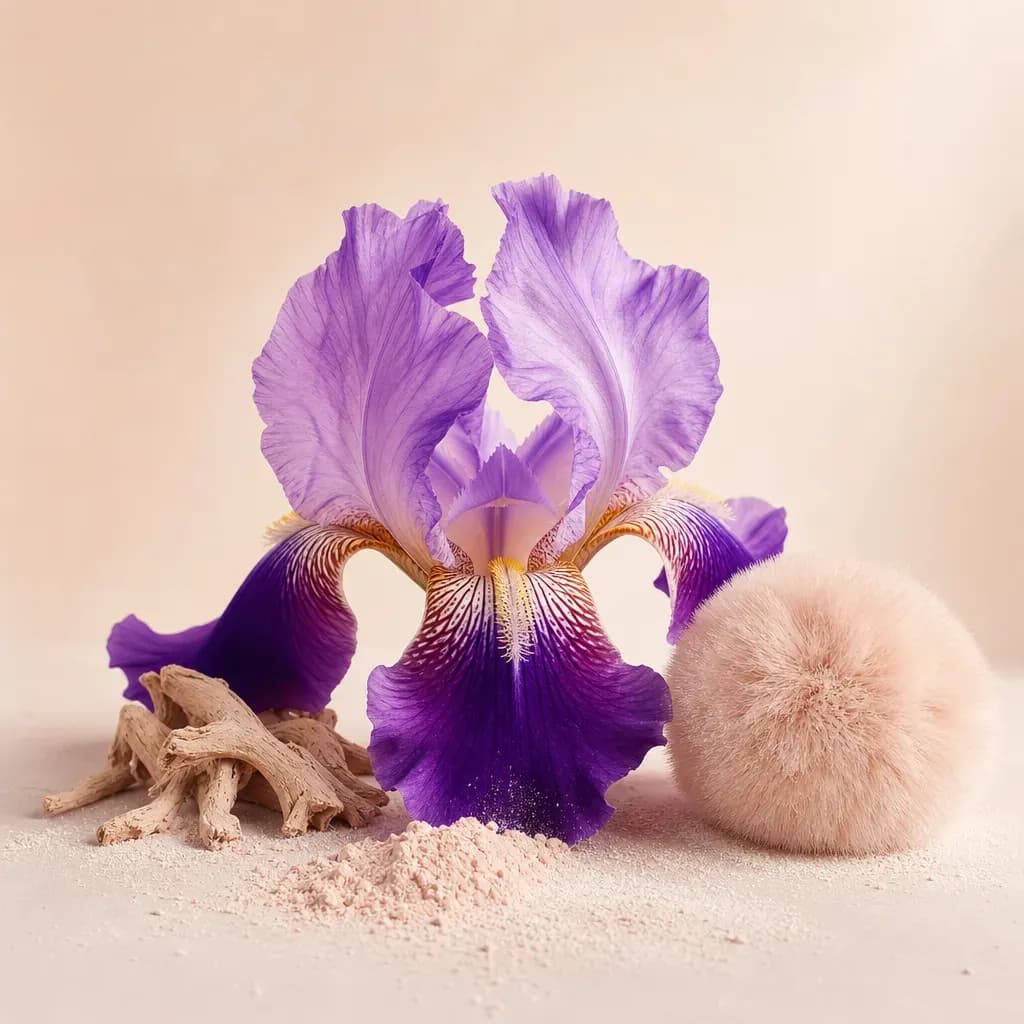
Powdery
Powdery and floral notes: iris and violet in perfumery
Powdery notes often bring to mind the delightful memory of powder compacts of old, from which they actually take their name. Difficult to describe, they are above all the reflection of a tactile memory or a distant scent. Yet they originate from a flower that garden enthusiasts have known perfectly well for centuries: iris.
Using iris to create powdery fragrances is a matter of patience and multiple transformations that take an average of six years. Indeed, the iris rhizome is harvested after four years of planting, then stored for 3 years in jute sacks. Finally, the iris is kneaded, crushed, then distilled several times before obtaining the precious essence, iris absolute.
Note that making 100 grams of iris absolute requires 40 tons of rhizomes! This shows just how precious the raw material of our powdery perfumes is, and undoubtedly one of the most expensive in the world!
In 1906, despite the rarity and preciousness of the product, Guerlain used iris as the signature of its first powdery perfume, Après l'ondée. The great house would go on to create perfumes almost systematically built around powdery notes, such as L'heure Bleue or L'instant. For decades, Guerlain fragrances would be immediately associated with iris and the powdery note… until competition arrived in 1970.
Powdery fragrances in today's perfumes for women
Until Chanel's N°19 in 1970, powdery notes were almost exclusively reserved for perfumes built around iris, even though powdery is one of the best elements for adding roundness and longevity to a fragrance with base notes that are too reactive or too sharp. With this exceptional quality now recognized, a multitude of olfactory nuances around the powdery note can be observed in today's perfumes.
Within the powdery notes family, there are the vegetal powdery notes. The retro style built on violet and rose, such as the famous Flower by Kenzo; the green powdery notes still based on iris but presenting scents of damp or fresh vegetation, such as N°19 by Chanel; the sparkling aldehydic powdery notes, such as Arpège by Lanvin; or the floral powdery notes similar to Air du Temps by Nina Ricci.
Then powdery notes become dry and chalky to create perfumes with a pleasant clean scent, such as Hiris by Hermès, or transform into cold powdery notes blended with incense. Sometimes the powdery note becomes heady, intoxicating, and wants to be heavy and thick, or conversely transparent like a cloud in soft, silky powdery fragrances.
Finally, of course, the powdery note appears in our favorite oriental perfumes blended with vanilla, almond, or tangy notes to enhance the lasting gourmand quality...
As can be understood, the powdery note is much more than an olfactory family; it is the touch of glamorous or tender, playful or gourmand femininity that provides the perfect finish to many perfumes. Typically feminine, aside from the beautiful exceptions of the magnificent Dior Homme or Iris Silver Mist, powdery perfumes create long, lingering sillages like paths to follow. Men hardly ever lose their way in them, and women make the most of it!
“Powdery” as a secondary family
Floral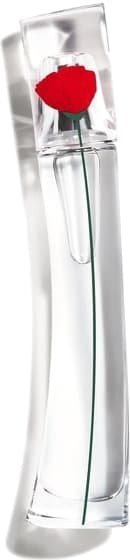 Floral
 Woody
Woody