
 Oriental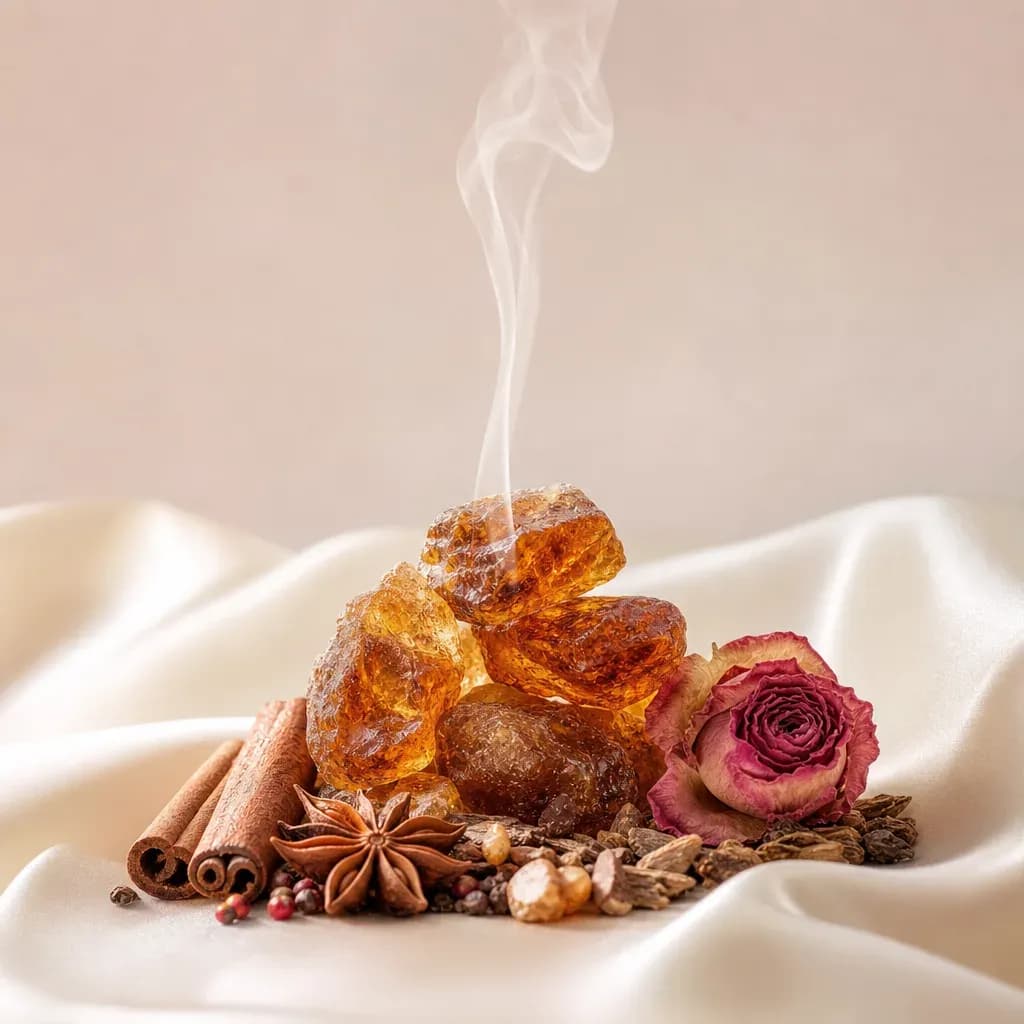
Oriental
The birth of amber and oriental perfumes
It may not be widely known, but a century ago, the base of the oriental perfume was animalic. Indeed, ambergris (or marine amber) was collected from sperm whale discharge, which upon contact with the sea and the sun took on the delicately spicy scent that the great ladies of the world would pay a fortune for. In order to reproduce this legendary raw material synthetically, numerous chemists worked on synthetic amber notes and thus produced the famous ambreine.
The perfumer François Coty used chemist Samuelson's ambreine to release one of the first great oriental perfumes: Ambre Antique in 1908. Building on this success, the perfumer created other perfumes of the same type, such as Emeraude in 1921.
However, the first undisputed great success of the oriental perfume was signed by the famous Shalimar by Guerlain in 1925. From then on, the seductive, intoxicating and exotic fragrances of oriental perfumes have never left us.
The great family of oriental fragrances in perfumery…
The family of oriental or amber scents now has numerous variations, of which the vanilla or spicy orientals are the most venerable members. Then, in the 1980s, came the woody orientals, very masculine in character. Finally, the “newest” would be the floral orientals and the gourmand orientals, which have won hearts in recent years through original and personalized perfumes.
The vanilla-oriental family is considered the figurehead of oriental notes thanks to the success of the recipe inaugurated by Shalimar, unchallenged ever since. Then, by adding touches of warm spices such as ginger, cinnamon, pepper (…) to these oriental blends, one obtains the spicy orientals used by great perfumers for beautiful fragrances such as Opium by Yves Saint-Laurent.
The 1980s and the desire for natural, invigorating scents gave creators the idea of a new variation on the oriental note by adding notes of precious woods (sandalwood, cedar…). These woody orientals, with their strong personality, became favorites among men. They are associated with numerous great names in perfume, including the famous Égoïste by Chanel.
Finally, the floral orientals and the gourmand orientals are the soft, powdery variations of the exotic and sensual sillage left by the first perfumes of the Orient. More modern than their ancestors, they combine the typically oriental note with the softness or the sweetness of lighter notes while remaining more sharply defined.
For men or for women, amber perfumes have enjoyed dazzling success since their first appearances at the beginning of the 20th century. Thanks to the multiple facets and possible variations of these notes with a taste of faraway places, the perfumes created present numerous different scents, thus able to match everyone's taste. Given the French enthusiasm for these so intoxicating fragrances, it is quite possible that in the future perfumers will develop many new ways of making the notes of the Orient waft to our noses, passionate about unknown lands…
Perfumes of the Oriental family
Oriental Oriental
 Oriental
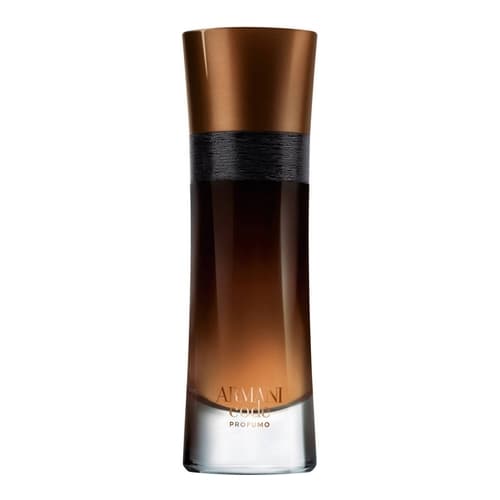 Oriental
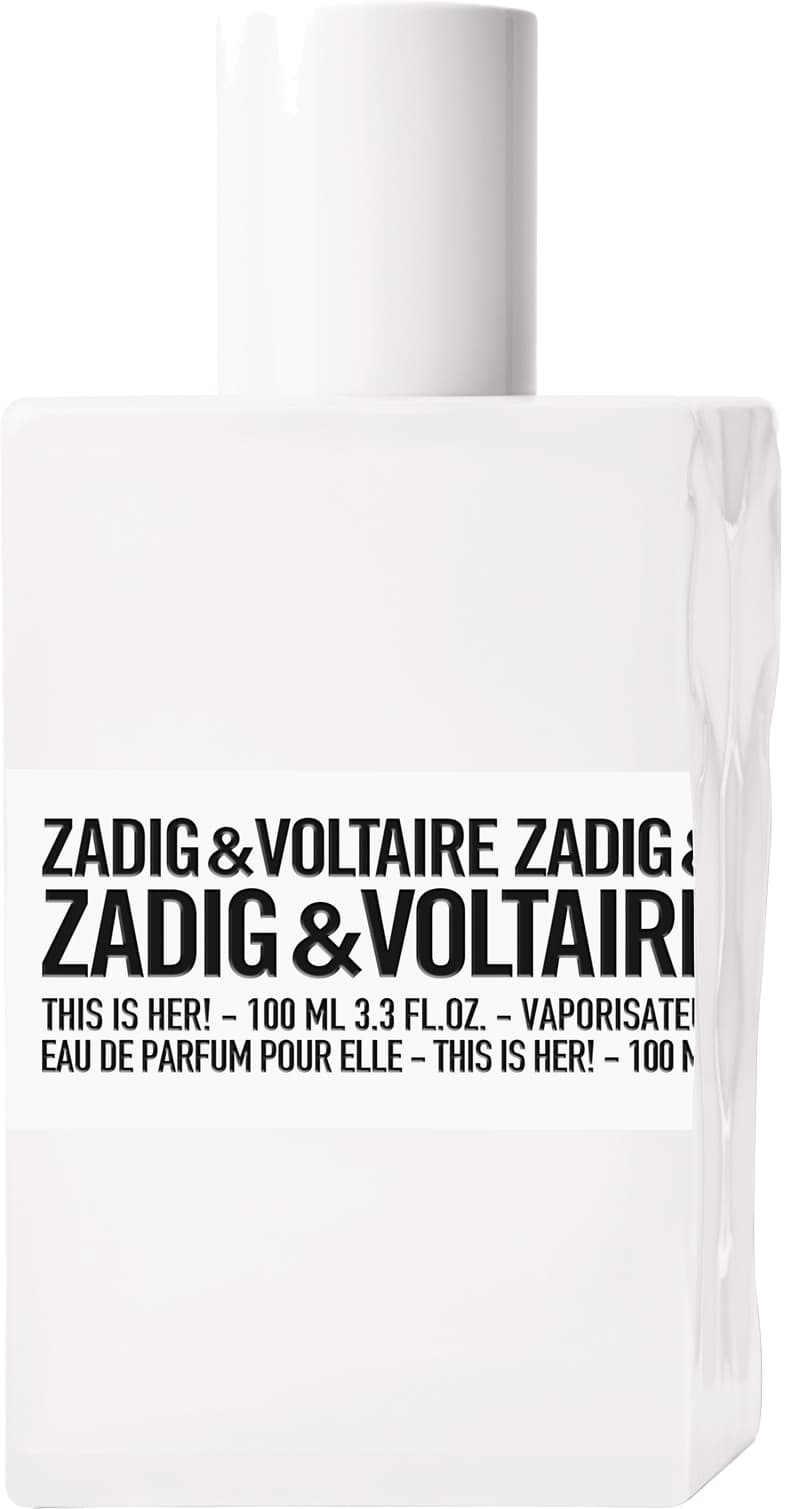 Oriental
 Oriental
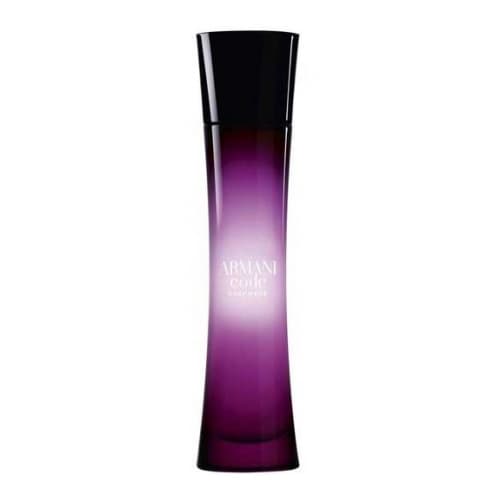 Oriental
 Oriental
 Oriental
 Oriental
 Oriental
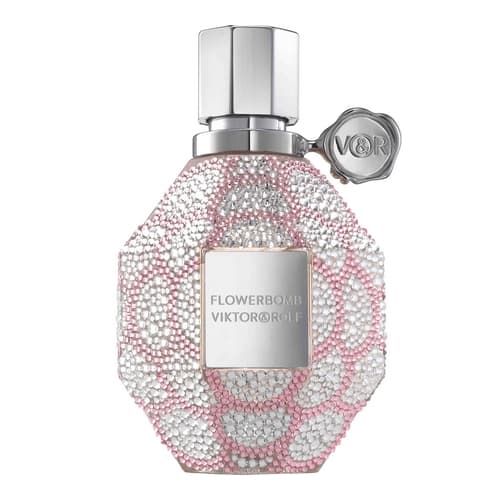 Oriental