
 Citrus
Green tea
In perfumery, green tea is evoked mainly through accords, sometimes supported by a tea extract or absolute. Bulgari made it the subject of its first perfume in 1992, Eau Parfumée au Thé Vert by Jean-Claude Ellena, which opened the family of tea perfumes. The note, vegetal, herbaceous and fresh, readily pairs with citrus, mint and jasmine.
An accord more than a material
Green tea is most often built as an accord, paired with citrus, mint or jasmine. The natural material does exist, however: L’Île au Thé by Annick Goutal brought together tea absolute and osmanthus absolute in 2015, and Bulgari reformulated its Eau Parfumée au Thé Vert around a natural green tea extract.
1992: Bulgari and Jean-Claude Ellena
Launched in 1992, Eau Parfumée au Thé Vert is Bulgari’s first perfume, signed by Jean-Claude Ellena, initially offered to the house’s best high jewelry clients. The formula combines bergamot, orange blossom, cardamom, coriander, pepper, rose, jasmine, green tea, oakmoss, tonka bean and beeswax.
With it the category of tea perfumes was born. Bulgari has extended it into white, blue, black and red tea.
Green tea after Bulgari
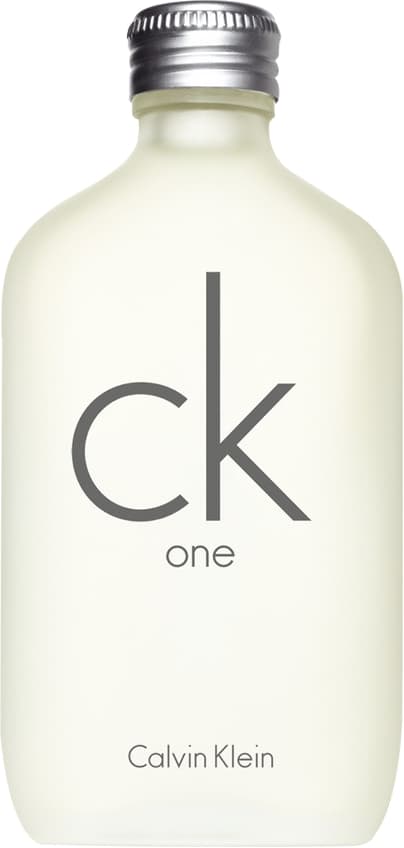
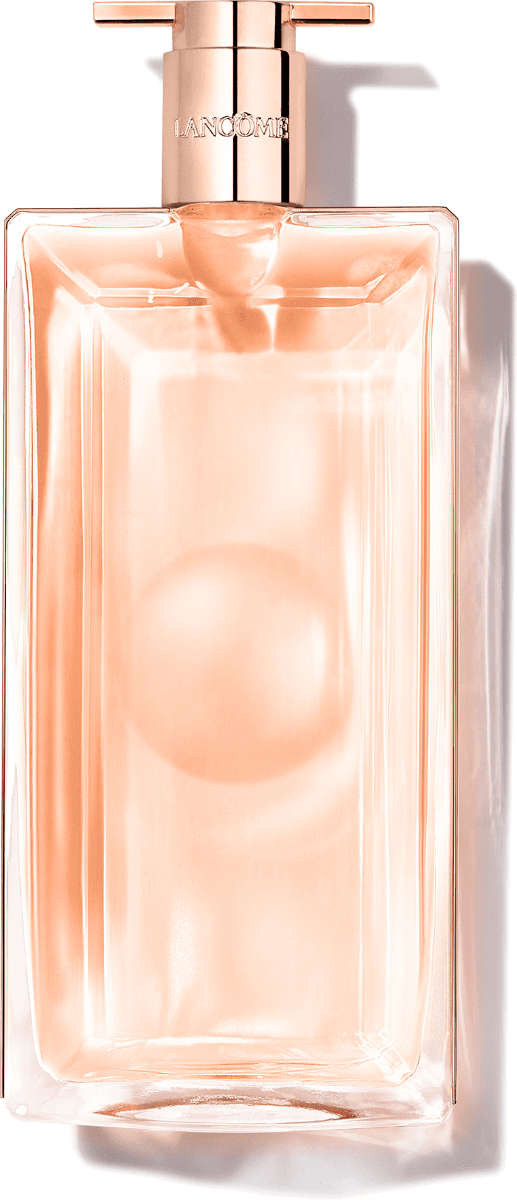
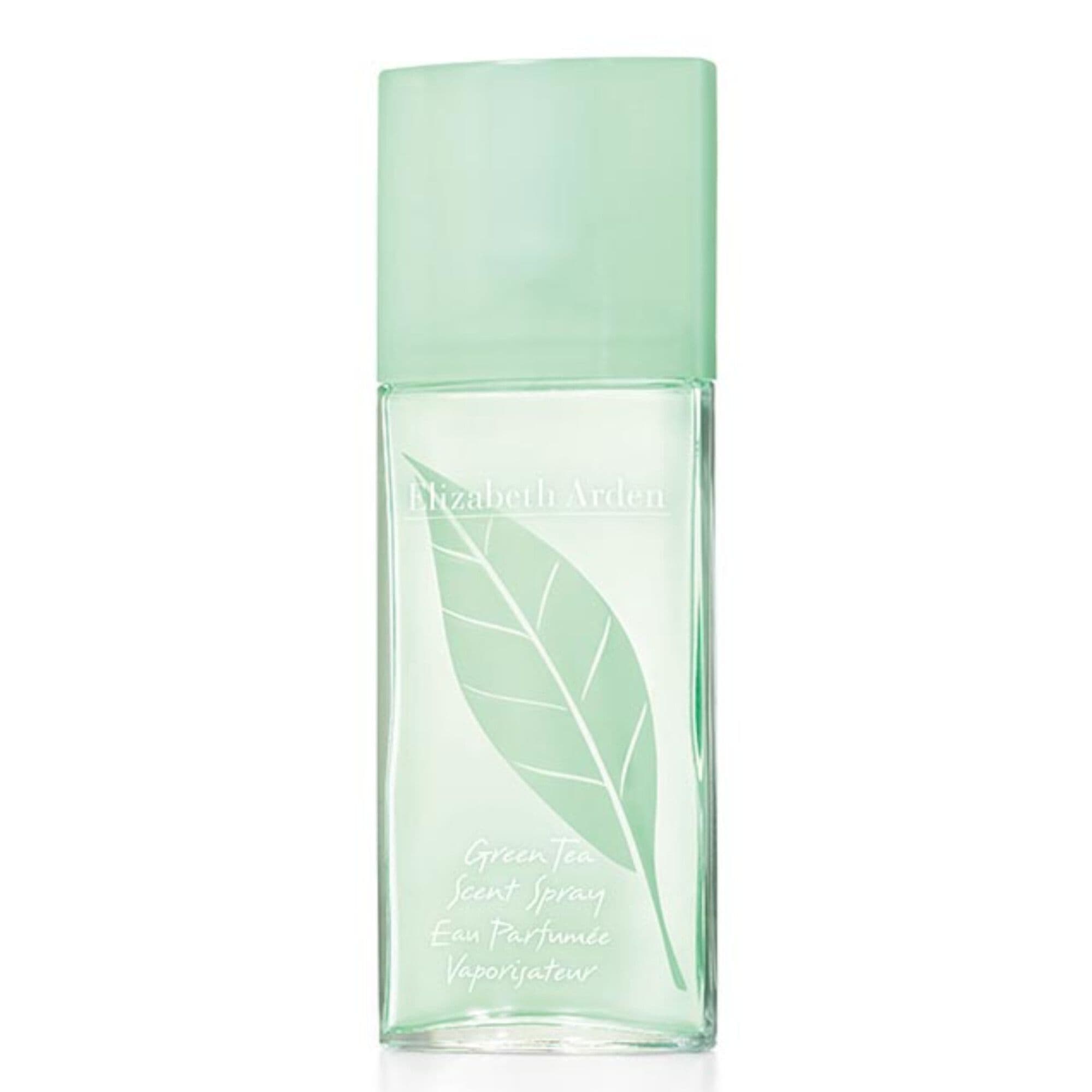
In 1999, Francis Kurkdjian composed Green Tea for Elizabeth Arden, with mint, bergamot and lemon in the top and green tea in the base. Pyramids place the note at every level: in the base of CK One by Calvin Klein in 1994, in the heart of Silver Mountain Water by Creed in 1995, in the top of Idôle Eau de Toilette by Lancôme in 2024, and in the form of matcha in Praize Matchae by FAAN in 2026. For tea in general and black tea, see the Tea and Black tea notes.
Perfumes with the Green tea note
Citrus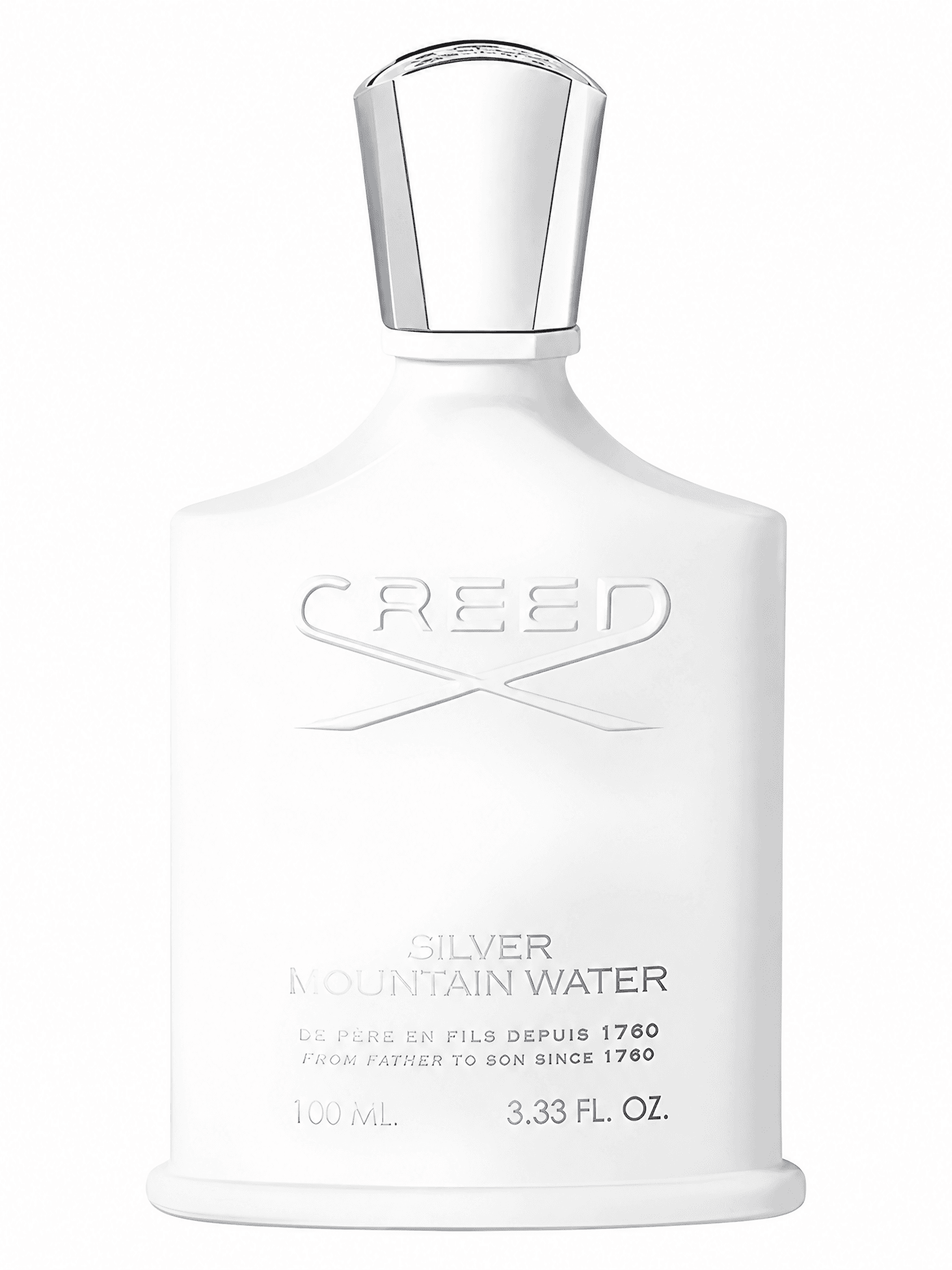 Aromatic
 Floral
 Citrus
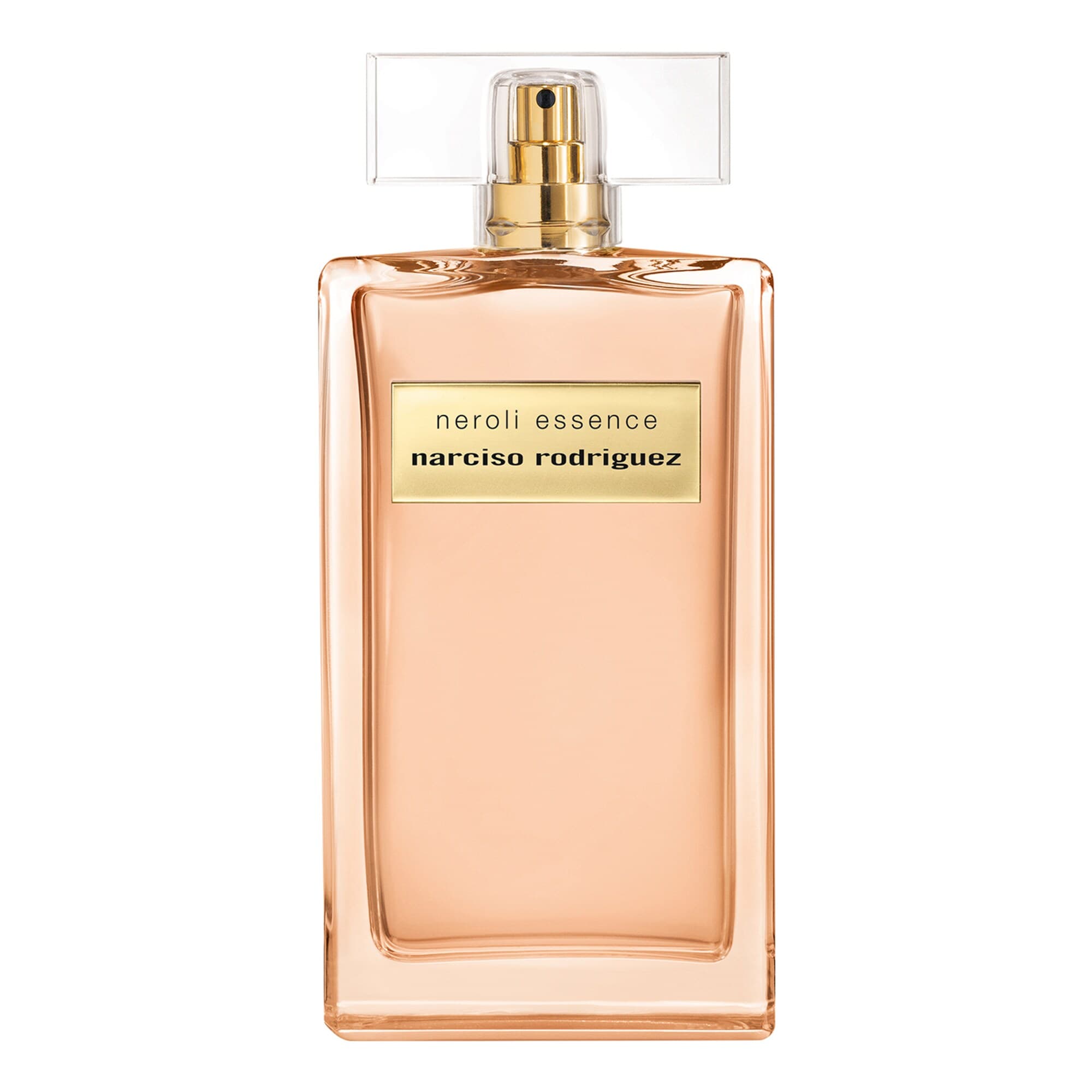 Floral
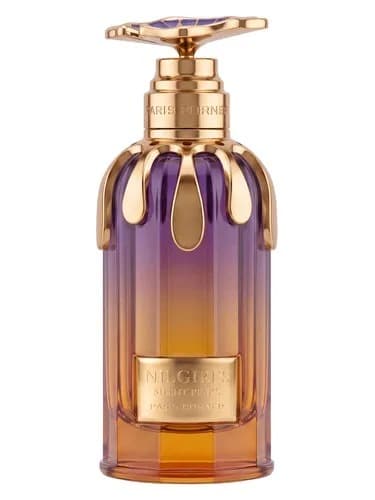 Musky
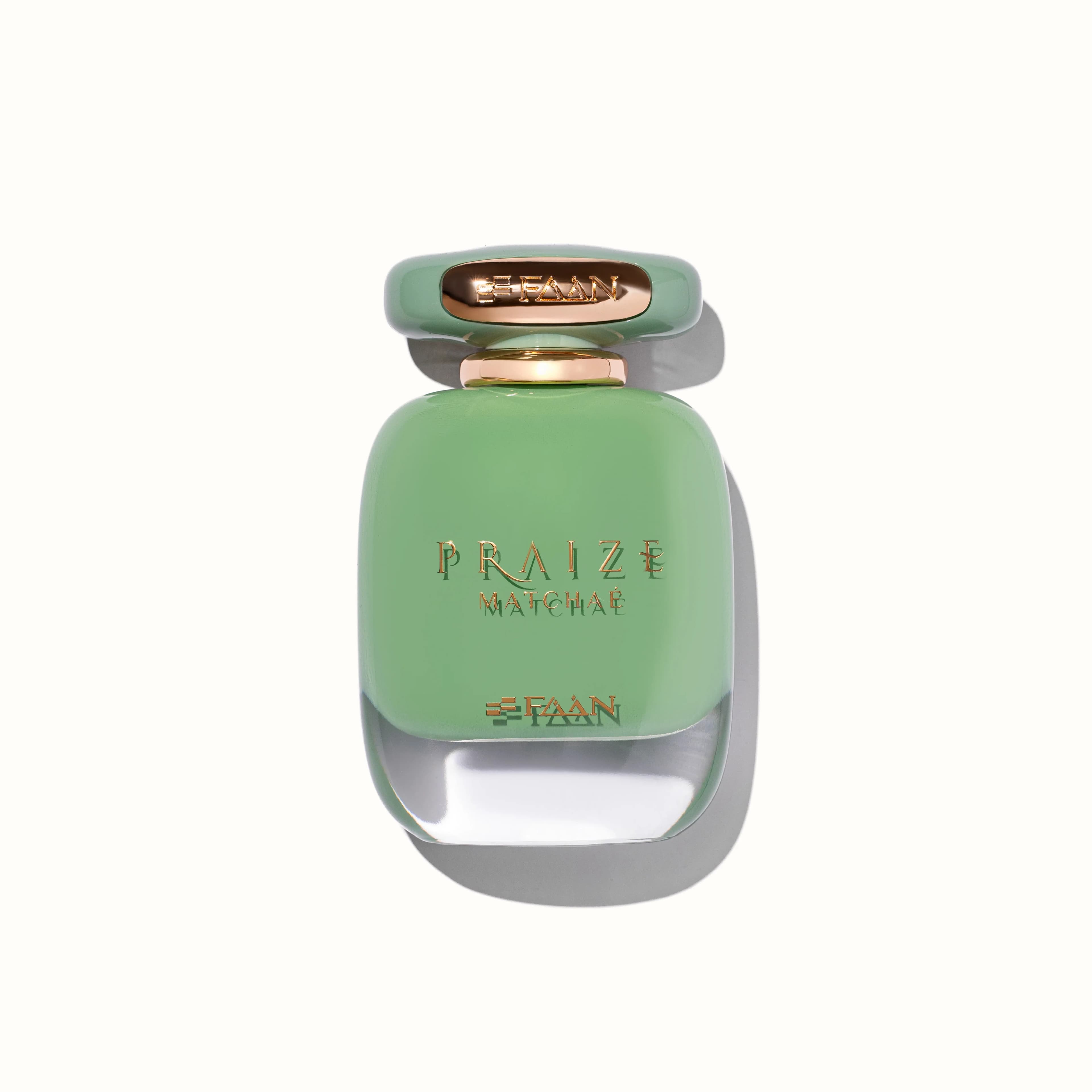
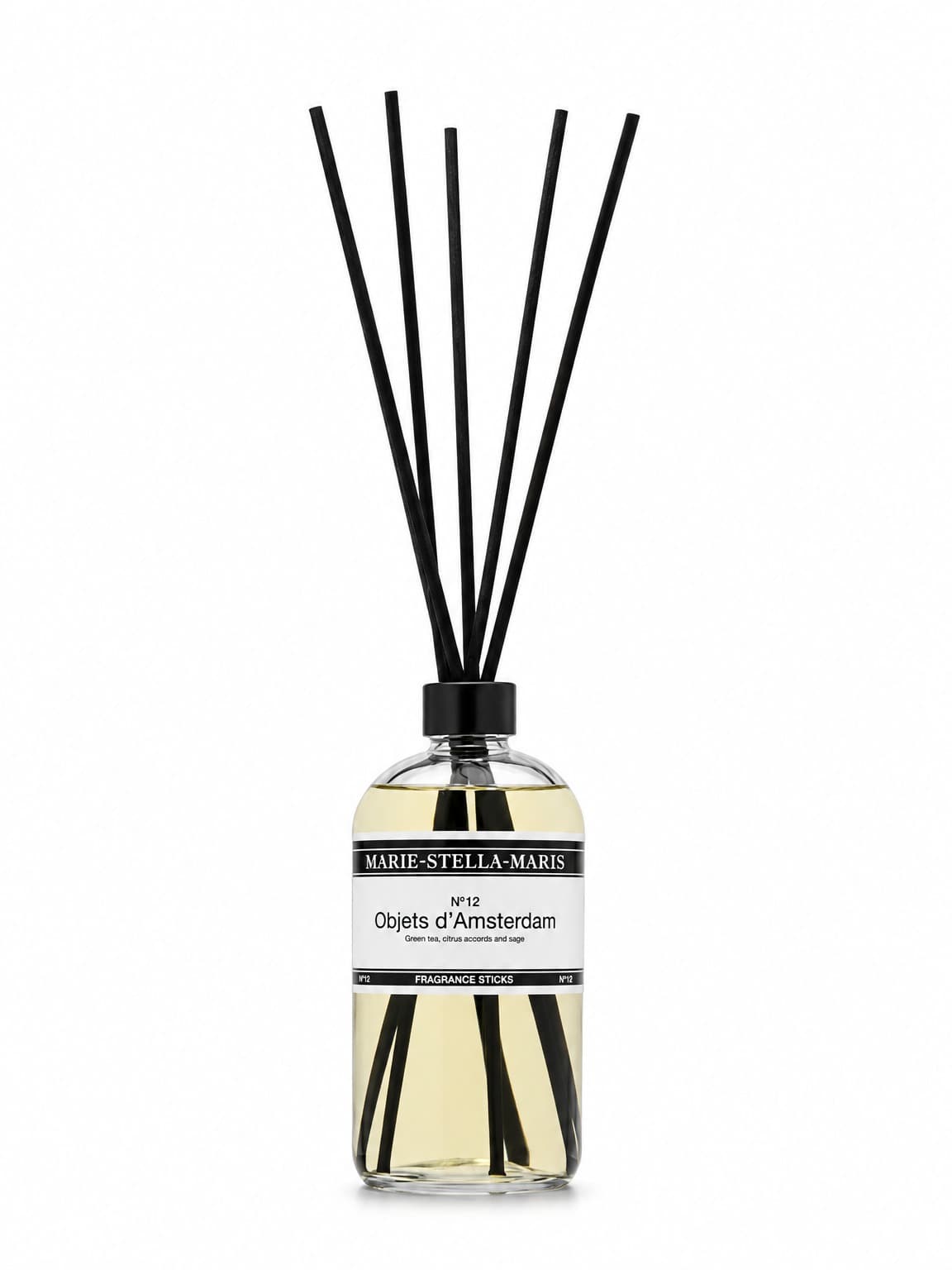 Musky
 Citrus
 Gourmand