
 Woody
Woody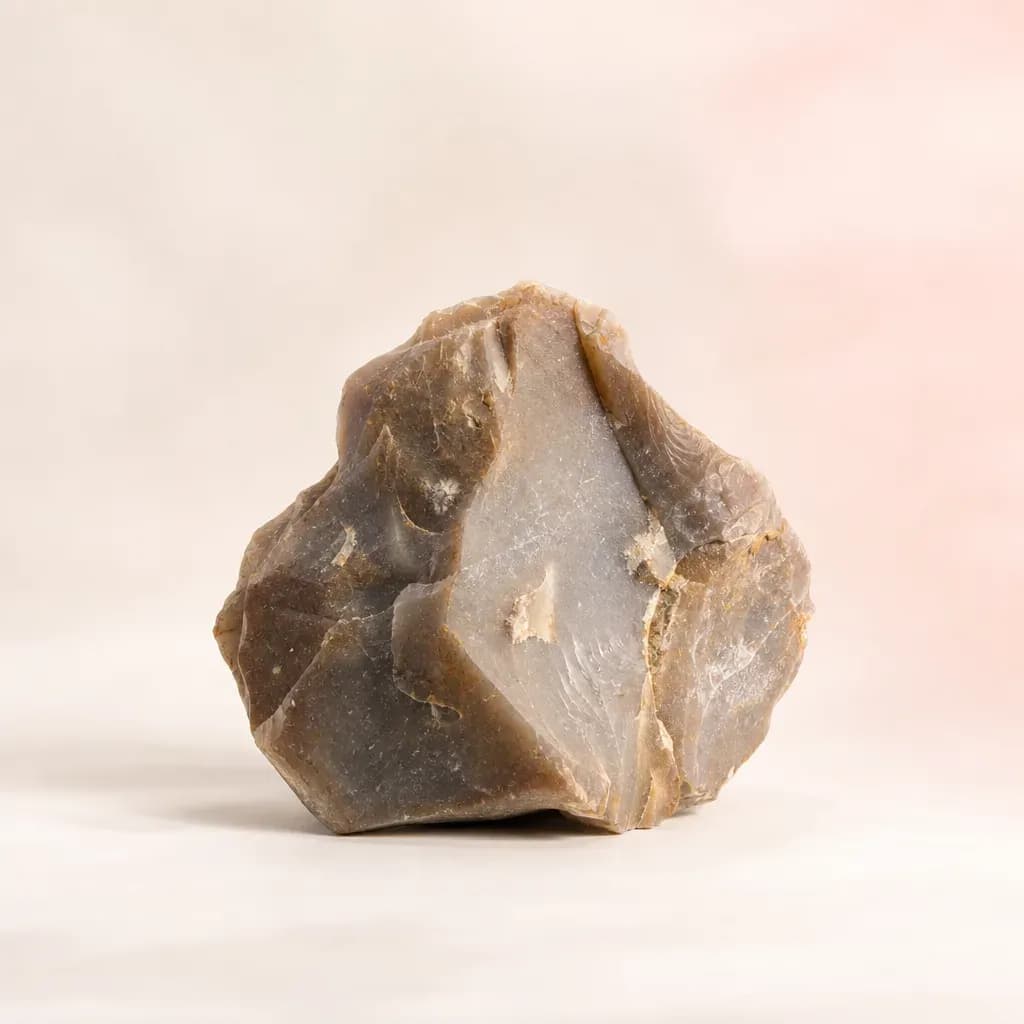
Flint
Flint is a sedimentary rock formed by chemical precipitation, belonging to the Silica family. Flint appears as an anomaly within limestone rock. Flint always has a very irregular shape and changes over time through erosion, swell, or ocean currents. Flint fills the gaps left by limestone, then crystallizes. Flint is part of the history of France, notably through its role during prehistoric times.
From the origin of flint to perfumery
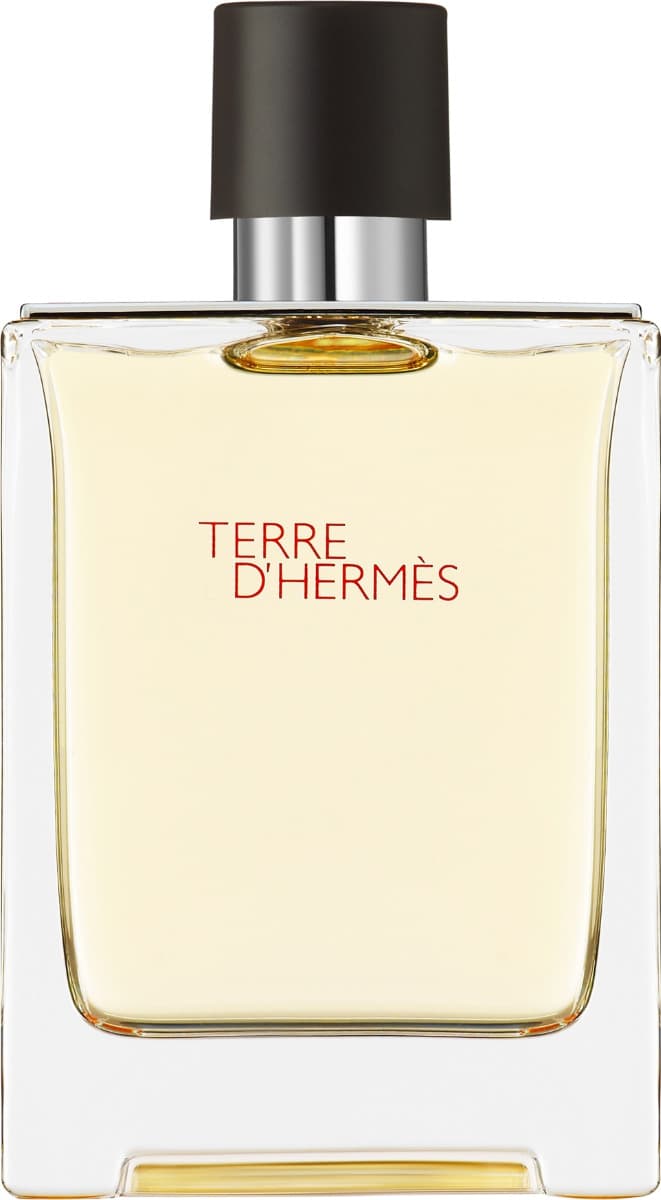
Originally, flint was called “firestone” or “gunflint” and was used in lighters. Later, flint became part of the making of hunting tools. The scent of flint is the scent of earth, of humus; it is an earthy, strong, damp, powerful scent, but also a mineral one. It is this scent that is reproduced olfactively and that appeals to today’s perfumers. So far, few noses have chosen to use flint. The only great perfumer to have done so is Jean-Claude Ellena in Terre d’Hermès by Hermès. Here, flint notes combine with citrus notes, orange and grapefruit. Between earth and sea, Jean-Claude Ellena innovated and once again proved his boldness by using flint, whose properties remain little used.
Flint has a particular history, deeply tied to the origin of the earth. Known since the dawn of time, flint is now used in perfumery. So far, it has not been widely exploited, but it offers enormous potential.
Perfumes with the Flint note
Woody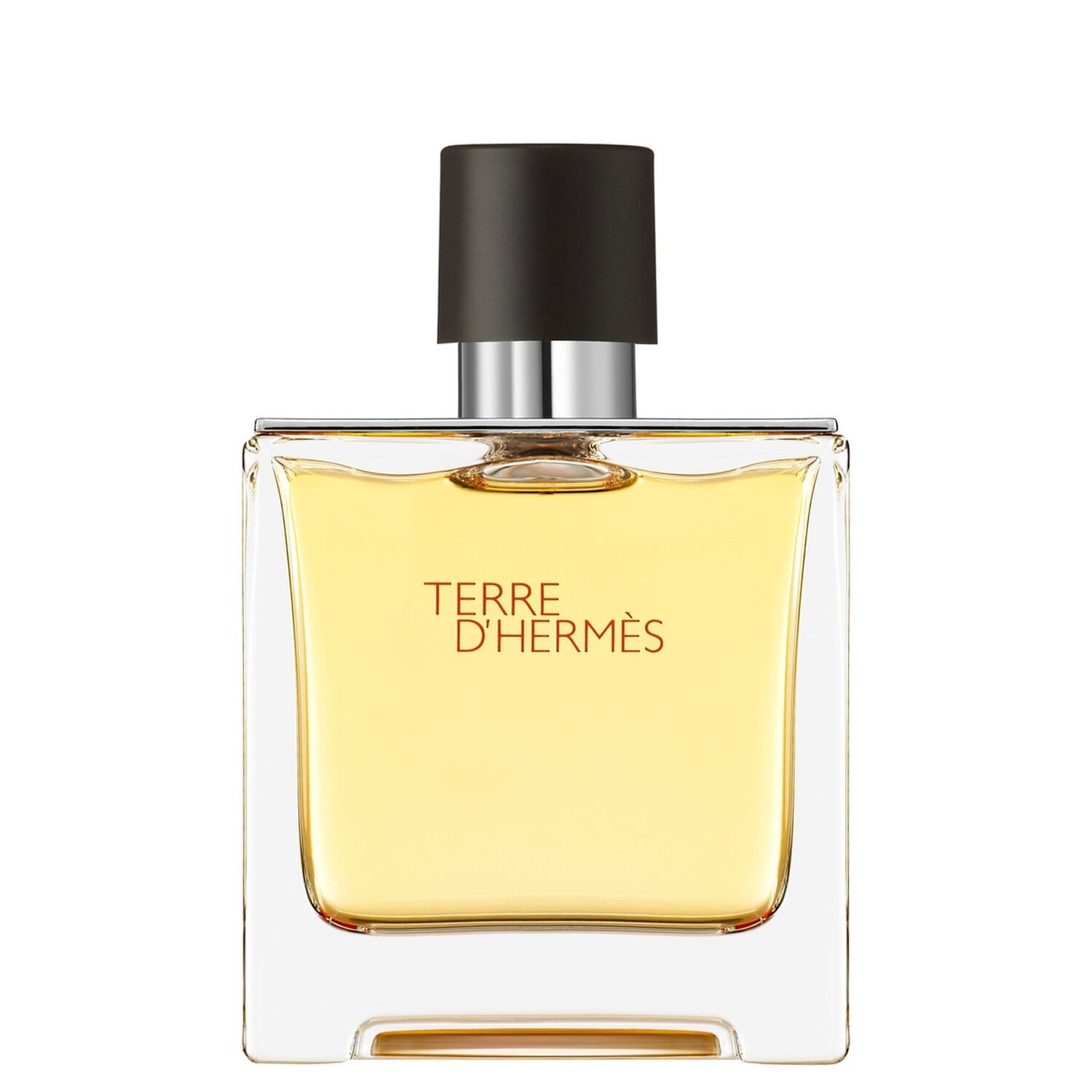 Woody
Woody Woody
Woody