
 Citrus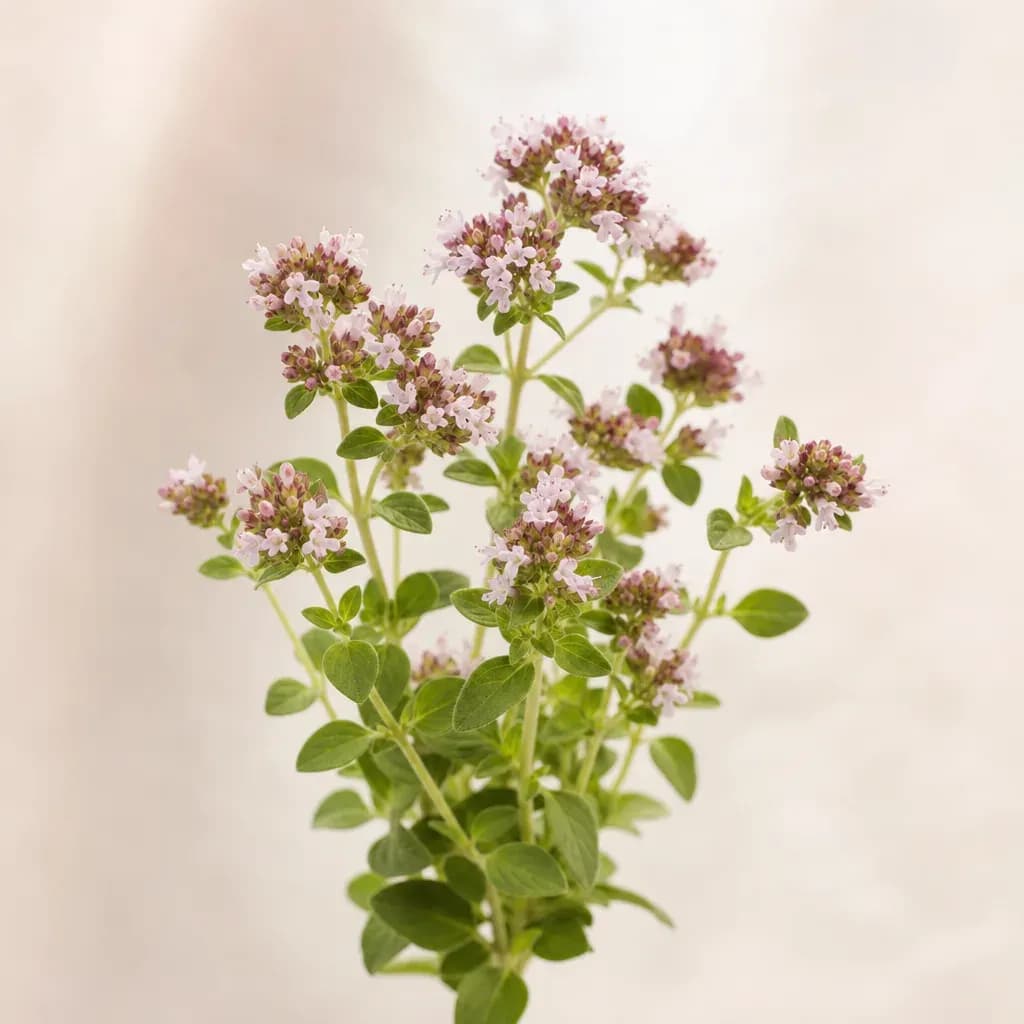
Marjoram
Marjoram: typically Mediterranean fragrances for perfumes strong in aromatic character! Marjoram, a cousin of oregano, is well known to lovers of Mediterranean cooking as well as for its medicinal benefits. Recognized for its qualities since antiquity, this lovely Asian aromatic is also an essential oil used by perfumers to create mainly masculine woody or fougère fragrances, but also a few feminine perfumes with scents typical of the gardens of Provence or Italy... Could marjoram be selling us dream fragrances?
Marjoram, the perfumer's lucky charm!
Marjoram is particularly famous on the lovely island of Crete, where the perfumers of the 13th century BC markets of Heraklion made their fortune with its oil. Indeed, at that time, marjoram was mainly associated with happiness, well-being and bliss. One of the ancient traditions of the Greek islands, still perpetuated today, was to plant marjoram on graves to ensure a peaceful and happy journey.
The tradition of wearing marjoram as a good luck charm spread over the centuries. It is in fact the theme of a children's rhyme (not so childish in reality!): Who goes here so late, companions of the marjoram? in which young people wear a sprig of marjoram to bring themselves luck in the pursuit of fine conquests...
Today marjoram is above all a lovely aromatic herb, often confused with oregano. To tell them apart, nothing could be simpler: marjoram is always cultivated, whereas oregano grows wild. After distillation techniques were perfected, marjoram essential oil quickly became useful to aromatherapists as well as to perfumers eager for powerful aromatic scents.
Marjoram in the top or heart of perfumes with aromatic notes
Marjoram has, of course, been very present for decades in masculine perfumes with aromatic scents spread across different olfactory subfamilies. The peppery, piquant flavor of marjoram nonetheless remains relatively little used in perfumery compared with the growing success of other, better-known aromatics such as rosemary, basil or coriander.
Very often found in top notes, marjoram appears in chypre or masculine woody perfumes. Thus L'Eau Trois by Diptyque, an original woody chypre, highlights a beautiful bouquet of aromatics in its top notes, offering men (but also women) a fragrance that transports one toward the scent of resinous thickets along the mountainous coastlines of northern Greece.
Three years after its release, in 1978, the house of Van Cleef & Arpels again used the same type of chypre and aromatic notes with marjoram accents to produce Van Cleef & Arpels pour Homme.
However, marjoram, with its powerful scent, can also claim to be a strong nuancing agent between herbaceous and spicy notes. It is therefore used as a heart note to link accords that might otherwise seem difficult to combine. It appears, for example, in the composition of the woody chypre Lanvin for Men by Lanvin.
Marjoram is thus still used quite modestly given its many olfactory qualities. For women, one of the rare perfumes to have dared to use marjoram is Canisse by Fragonard, a floral-green delight offering the full breadth of the scents of a Mediterranean garden in a fragrance as beautiful as it is original. One thing is certain: masculine perfumery is seeking to renew itself by creating perfumes that are both classic and innovative. As noses tend to replace classic aromatics with more original fragrances, it is likely that marjoram will become a major asset in these changes!
Identity card
- Latin name : Origanum majorana ou Thymus mastichina
- Origin : Plante
- Country : ES
- Part used : Feuilles et fleurs
- Type : Naturel
Perfumes with the Marjoram note
Citrus