
 Floral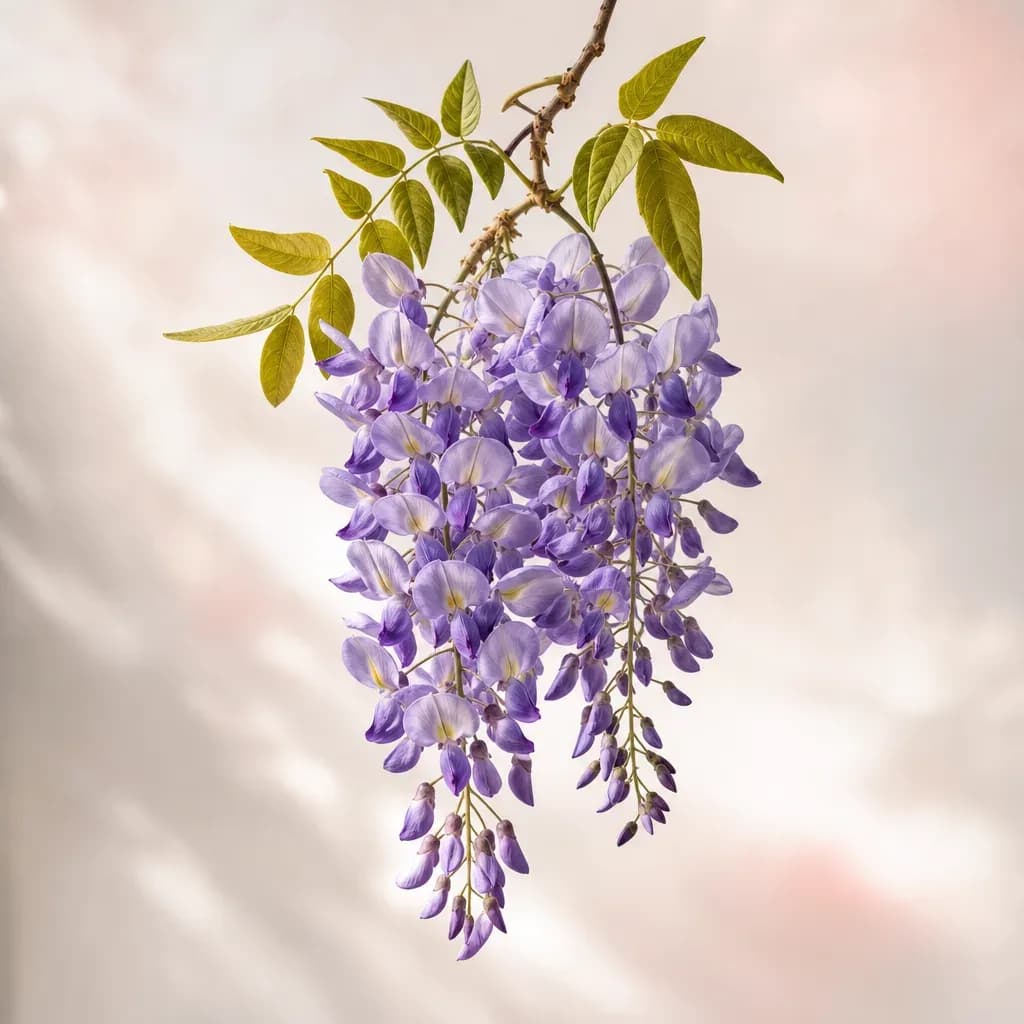
Wisteria
Wisteria is a magnificent climbing plant, with particularly abundant and lightly scented blooms. Its stems can grow up to 50 cm long. Also called Wistaria Sinensis, wisteria belongs to the legume family. Native to Japan and China, wisteria adapts wonderfully well to European soils. Wisteria decorates walls and pergolas with a significant touch of romanticism. The fragrant flowers of wisteria are blue, white or purple (light and dark). Wisteria blooms from April to June, but some varieties may bloom twice, in spring and in summer.
Wisteria, a silent flower
Wisteria is considered, in perfumery, a “silent flower”. This means that neither essence nor absolute can be obtained from it. Regardless of the extraction process used, the flower does not yield its scent, hence it is said to be “silent”. Many silent flowers are currently noted, such as hyacinth, lilac, peony, freesia and gardenia. While these flowers are known to be the nightmare of perfumers, the latter do not hesitate to use them in numerous compositions. In order to recreate the scent of wisteria in a fragrance, noses rely on synthetic molecules. Among the best known and most widely used are benzyl acetate (discovered in 1855), hedione, phenylethyl alcohol, and hydroxycitronellal. Once the scent of wisteria has been reconstituted, this magnificent flower offers a very floral, sweet, powdery and slightly spicy scent.
Wisteria and its association with olfactory families
Naturally, wisteria belongs to the Floral olfactory family. Wisteria is highly appreciated by today's perfumers. Like all the flowers in its family, wisteria is found in floral fragrances, but also fruity, oriental, citrus or aromatic ones. On the floral side, wisteria pairs wonderfully well with lilac and peony, as in Éclat d'Arpège by Lanvin, but also with rose, hyacinth and lily of the valley, as in Fleurs de Diva by Emmanuel Ungaro. On the fruity side, wisteria is found alongside clementine, peach and plum, as in the fragrance Fleur de Chine by Tom Ford. Wisteria can also be discovered surrounded by musks and woody notes, as in Love Chloé by Chloé (wisteria, white musks, rice powder, woody notes) or in Carven l'Eau de toilette by Carven, where wisteria blends with white musks and amber notes.
A lovely flower that adorns gates and pergolas with romanticism and purity, wisteria comes mainly from Asia. Even though it is considered a “silent flower”, wisteria is highly prized by niche perfumery noses. It is found with delight in floral perfumes, but also in the composition of fruity, aromatic, oriental or woody fragrances.
Identity card
- Latin name : Wistaria Sinensis
- Part used : Fleur
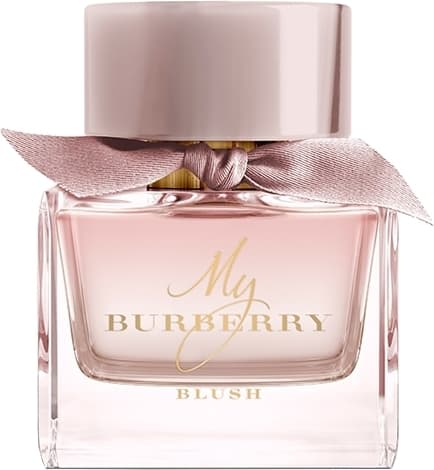
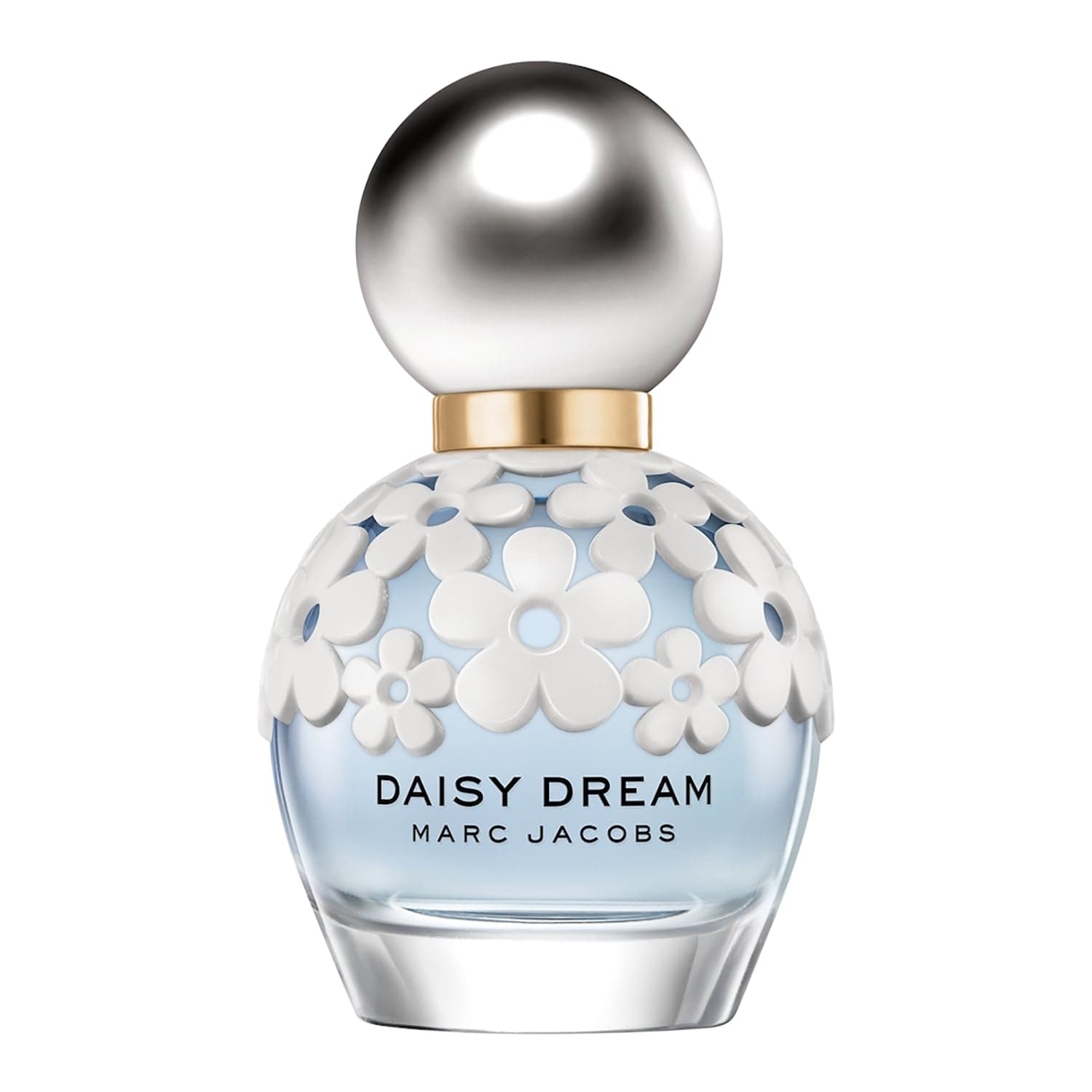
Perfumes with the Wisteria note
Floral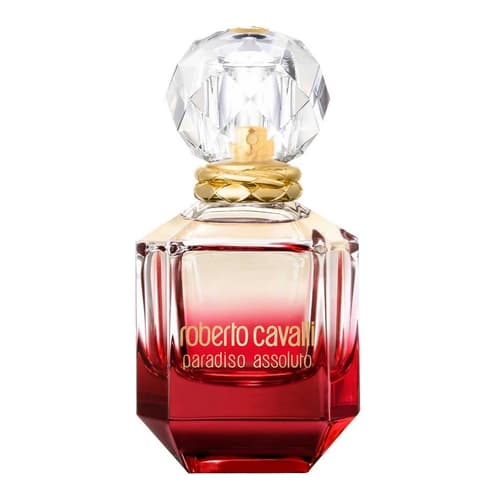 Chypre
 Floral