
 Oriental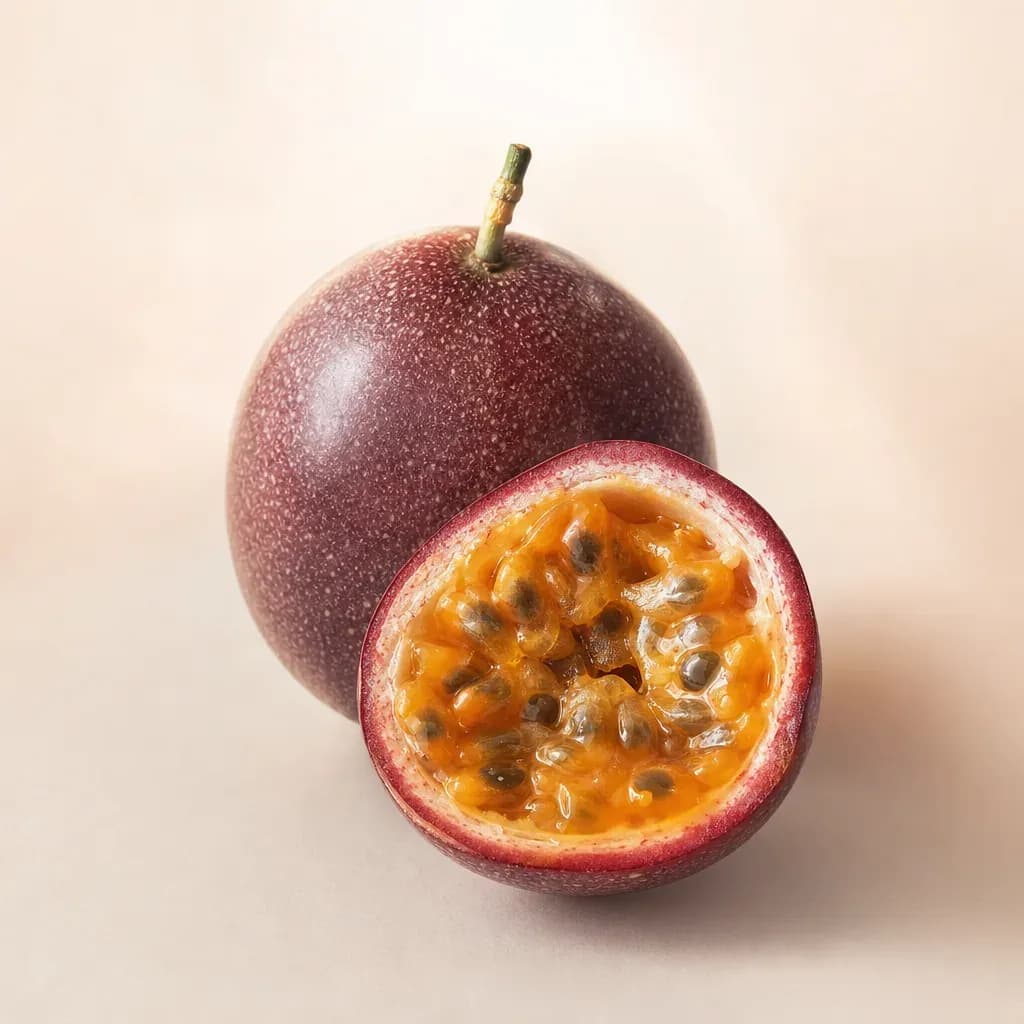
Passion fruit
Passion fruit is the fruit of the passionflower vine, a plant of the Passiflora family. Passion fruit is an exotic fruit containing a multitude of small black seeds coated in a translucent, orange, fragrant pulp, the aril. Passion fruit is low in calories but contains a great deal of vitamin C and essential nutrients. Also called Passiflora, passion fruit has an oval shape and can measure up to 7 cm long. Its skin is solid and hard. Depending on its variety, passion fruit displays colors ranging from purple to bright yellow.
The gourmand and fruity notes of passion fruit
Thanks to its sweet, gourmand, exotic and tangy odor, “passion fruit” notes come in numerous variations. Passion fruit is thus found in emulsions (creams, body lotions), shower gels, shampoos, lotions, soaps, balms, eau de toilette and also in perfumes. Passion fruit is also found in cooking, in desserts, yogurts and also as a beverage. In perfumery, the nose will use either the fruit itself or the flower, the passionflower. Since it is not possible to extract oil from passion fruit, its note is reproduced in the laboratory, chemically, notably through the headspace technique.
Passion fruit and its association with other olfactory families
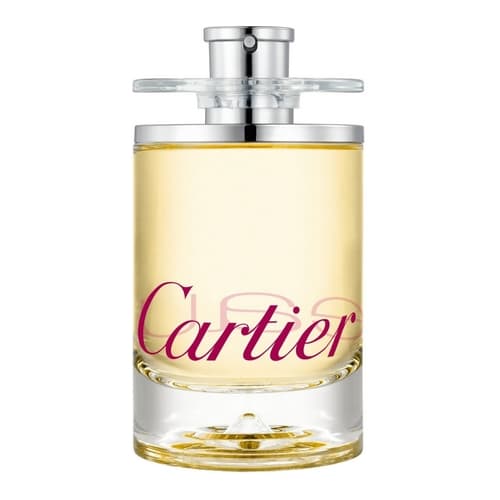
Naturally, passion fruit belongs to the Fruity olfactory family. Fruits pair together wonderfully, and passion fruit blends very well with other exotic fruits such as pineapple, papaya, mango or coconut. Passion fruit is mainly found in floral and/or fruity perfumes, such as in Love is All by Guerlain, where passion fruit sits as a top note alongside mandarin, hazelnut and pink pepper. It also appears in Island Kiss by Escada, a floral/fruity blend of passion fruit, mango and orange. Passion fruit can also be discovered at the heart of citrus fragrances such as Eau de Cartier, Zeste de Soleil by Cartier. Here, the composition was built around passion fruit for a very sun-kissed, luminous result.
Passion fruit is the symbol of the most exotic summer imaginable. While soaps and shower gels with fruity passion notes are already familiar, its role in perfumery is less well known, as it remains rare. Nevertheless, the “passion fruit” note is already part of great and beautiful fragrances.
Wearing a perfume can cover multiple ambitions. Indeed, essences serve as much to seduce as to evoke memories or to transport. As such, many exotic ingredients find their way into fragrances. Among the tangiest of them is passion fruit.
The many names of passion fruit and its properties
Passion fruit comes from the passionflower vine. It is a climbing plant belonging to the Passifloraceae family. This plant is cultivated for its edible-pulp fruit called passion fruit or maracudja, a Creole word. In New Caledonia and Haiti, however, passion fruits are called pomme-lianes. There is a yellow form, fairly large. However, the one most familiar to us is purple and somewhat smaller. As with grapevines, passion fruit cultivation is done on stakes and wires. Being a subtropical plant, it grows in warm regions and develops on a climbing plant that can reach 6 m long. Passion fruit contains numerous black seeds surrounded by an edible substance of orange color. This substance has a sweet flavor and is also recognized for its many pharmacological properties. Furthermore, passion fruit is known for its anti-inflammatory properties. Likewise, it soothes anxiety and is a powerful antioxidant. It is also rich in polyphenols as well as vitamins. As such, it has long been used in traditional South American medicine to treat multiple ailments such as asthma, insomnia, urinary infections or bronchitis. In the Antilles, its leaves are used to treat high blood pressure. In France, many sedative preparations contain it.
Passion fruit in perfumery
In perfumery, passion fruit is mainly found in feminine creations. It lends them an exotic touch, both fruity and floral. However, perfumers cannot extract essential oil directly from the fruit. They reproduce its odor identically in the laboratory, notably through the headspace technique, a method developed in the 1970s aimed at recreating the natural scents of a flower as they exist in nature without damaging them.
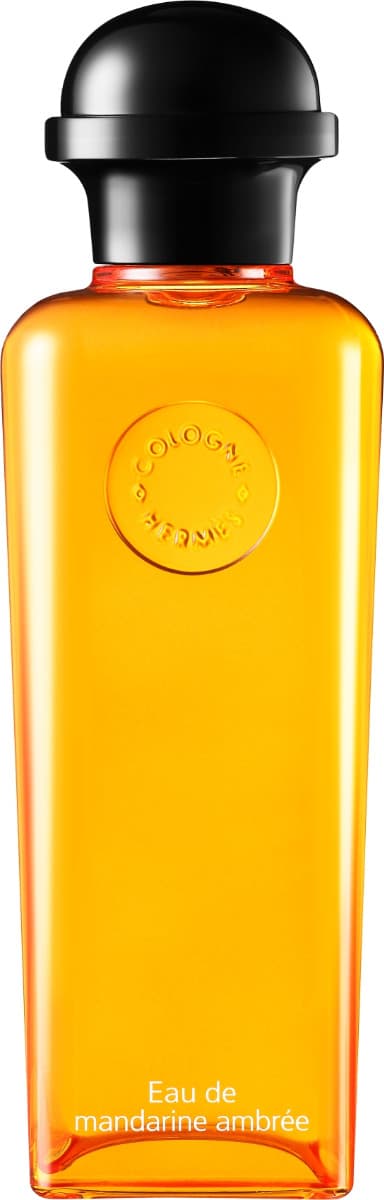
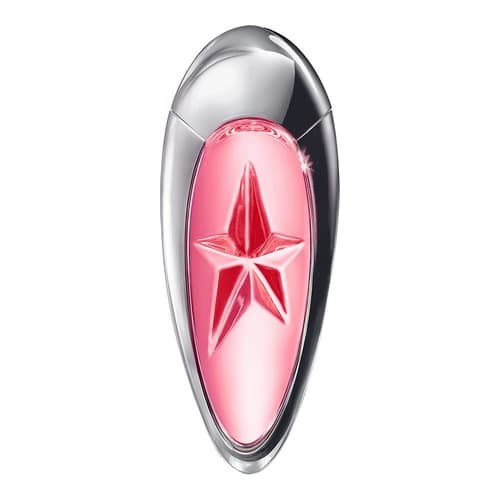
While many of us enjoy the taste of its juicy flesh, it seems that just as many of us enjoy its scent. Furthermore, it is present in Angel by Thierry Mugler, Eau de Cartier Zeste de Soleil, Eau de Mandarine Ambrée by Hermès or Island Kiss by Escada.
Identity card
- Latin name : Passiflora edulis
- Origin : Artificielle
- Type : Reproduction
Perfumes with the Passion fruit note
Oriental Floral
 Floral
 Citrus
 Chypre
 Floral
 Oriental
 Aromatic
 Oriental
 Floral
 Floral
 Woody
Woody