 Citrus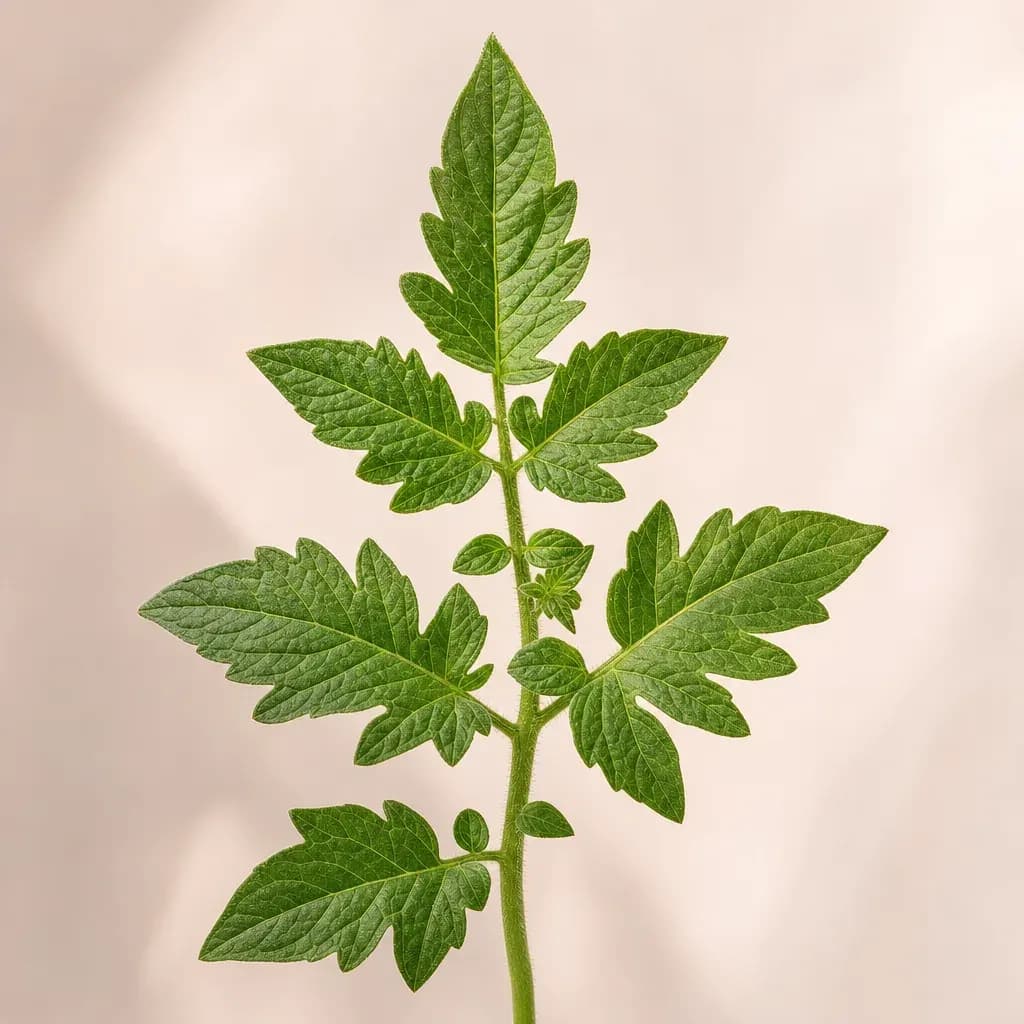
Tomato leaf
Tomato appeared on our tables in the 16th century, following the discovery of the territories of South America from which it originates. Particularly prized, Italian and French gardeners worked to shape it into the beautiful, rich red fruit known today. Tomato has many properties that were exploited relatively early on by scientists, including its famous lycopene, an active ingredient in many cosmetic products. One should not forget, however, as any gardener knows, that tomato leaves also possess the wonderful olfactory power of offering a green and fresh scent unprecedented in perfumery.
Tomato, its famous lycopene and its properties in cosmetics
If the fruit, for tomato is indeed a fruit, has been known for several centuries for its sweet and delicately tangy taste, tomato holds within its seeds and leaves many secrets.
First, 19th-century scientists discovered that the lycopene in tomato, which gives it its lovely red color, or orange depending on the variety, held remarkable properties for health, particularly in the prevention of certain cancers. Moreover, tomato lycopene, of the carotene family, has antioxidant properties while giving skin a healthy glow. As a result, many products on the cosmetics market feature lycopene or tomato seed vegetable oil in creams and skincare products.
As for tomato leaves, they have found their place in perfumery, albeit as a synthetic material. The Tomato leaf note, very herbaceous, is mainly used in base notes to lend fragrances, often feminine or unisex, powerful, elegantly scented and refreshing sillages.
Tomato leaf in floral or citrus fragrances
Tomato leaf is a raw material rich in freshness and green notes, and it has managed to precisely reproduce the very distinctive scent of its fruit.
One of the very first fragrances to experiment with the Tomato leaf note is the legendary Sisley and its first fragrance Eau de Campagne in 1977. Tomato leaf is paired with jasmine and lily of the valley and, thanks to its powerful fresh, Mediterranean notes, offers a breath of fresh air that was still unprecedented at the time.
One would have to wait for Passion in 1983 by Annick Goutal to once again enjoy the scent of Tomato leaf as a top note in this lovely floral fragrance, both fruity and green, with light chypre notes. The perfumer would use Tomato leaf again in a more recent fragrance, Ninfeo Mio, a green woody, as a top note paired with lemon notes. Lemon and citrus fragrances would in fact prove to be powerful vehicles for the Tomato leaf note, which flourishes in fragrances such as Un Jardin sur le Nil by Hermès or Une souris verte by Molinard.
The Tomato leaf note is therefore a fine guide to green, fruity, floral, citrus and even chypre fragrances. It is surprising, moreover, to find only one woody fragrance, Corsica Furiosa by Parfum d'Empire, alongside Annick Goutal's creation on chypre paths, where Tomato leaf seems to be a powerful ally. Similarly, it is surprising to know of only one aromatic fragrance, Basil by Marc Jacobs, featuring Tomato leaf as a heart note, given how obvious the pairing seems. However, perfumery is opening up to fine new developments which, it is hoped, will bring the beauty of Tomato leaf into the spotlight.
Identity card
- Latin name : Solanum lycopersicum
- Origin : Artificielle
- Type : Reproduction
Perfumes with the Tomato leaf note
Citrus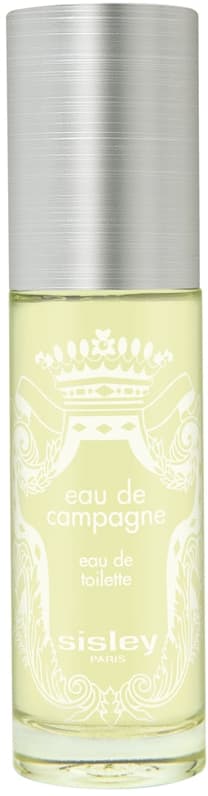 Citrus
 Floral
 Woody
Woody Floral
 Aromatic
 Floral