
 Floral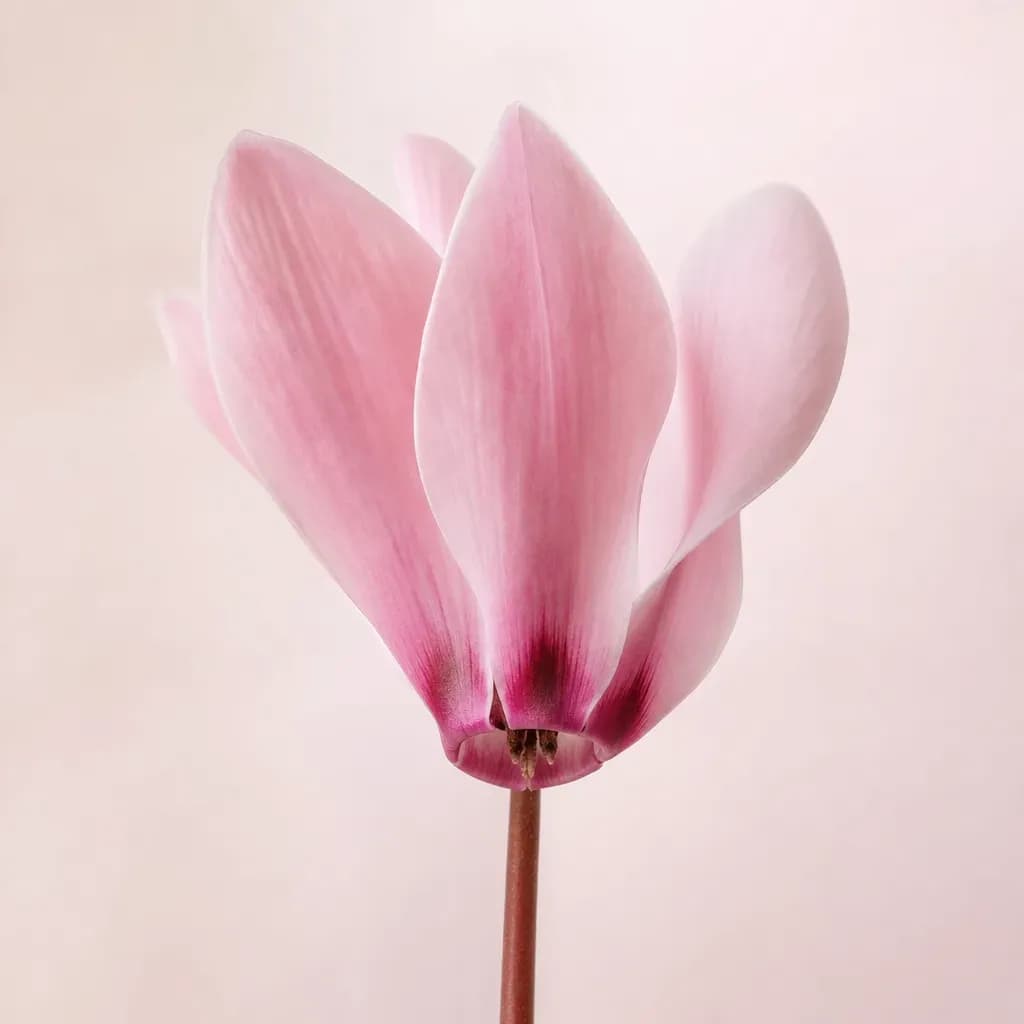
Cyclamen
When we speak of flowers, we tend to spontaneously think of their blooming and its capacity to stir up strong emotions come springtime… Yet not all flowers bloom during that time of year. In fact, the cyclamen unfurls its delightful flowers around Christmas time. Beneath its seemingly fragile appearance lies a very hardy plant, one that comes to enhance the finest holiday decorations.
The history and symbolism of cyclamen
Cyclamen is a perennial plant belonging to the Primulaceae family. The most common species is the “florist's cyclamen”. It originates from the Middle East but can also be found in a few shaded regions of France. Around twenty species of cyclamen now grow in the wild. However, a great many of these plants are today the product of cultivation. Numerous hybridizations, moreover, have made it possible to multiply their varieties, sizes and colors. As a result, cyclamen can be white as easily as red, passing through purple, pink or mauve. Likewise, some varieties even have petals that are flamed, striped or edged with a thin border. In other words, there is something for every taste and every preference. Despite its fragile appearance, cyclamen is a plant highly resistant to cold. Its blooming thus takes place between October and February and lasts around two months. What is more, it adapts equally well indoors and outdoors. Its many qualities make it a plant highly prized by gardeners. Likewise, in antiquity, cyclamen was also recognized for its therapeutic properties. It further contains cyclamin, a molecule known for its purgative properties. It was also believed to have aphrodisiac virtues and, on that basis, once featured in the composition of love and sensuality potions. Popular belief has it, moreover, that when placed on the windowsill of a marital bedroom, it sustains a couple's happiness. In the language of flowers, incidentally, cyclamen conveys strong and sincere attachment.
The sweet, floral scent of cyclamen
The scent of cyclamen has been prized for a very long time and was already favored by the Romans. It was nevertheless introduced to Europe in the sixteenth century. Today, beyond being one of the best-selling flowers among florists, it is a raw material incorporated into numerous fragranced creations, lending them a freshness that is at once floral, sweet, green and slightly humid. However, the scent of cyclamen cannot be extracted naturally. It is therefore recreated in the laboratory from other raw materials. To do so, perfumers use cyclamen aldehyde, known for its fresh, slightly watery scent.
Cyclamen lends itself equally well to the creation of feminine and masculine fragrances. On the women's side, it slips easily into Amor Amor Eau Fraiche by Cacharel, into Armani Femme or into Burberry Summer. On the men's side, it appears in Acqua Di Gio by Armani as well as in Anthracite by Jacomo.
Identity card
- Latin name : Cyclamen
- Type : Reproduction
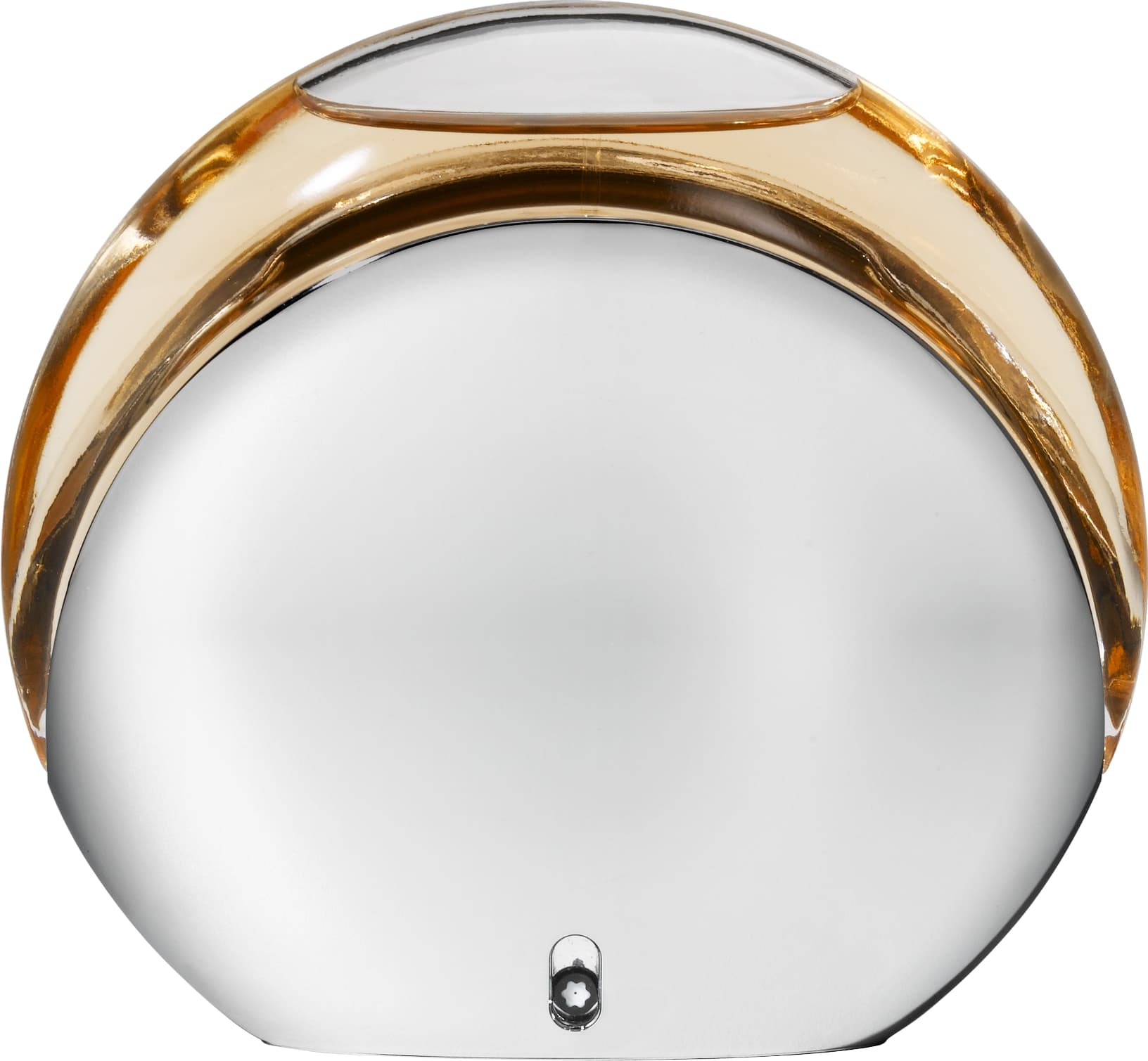
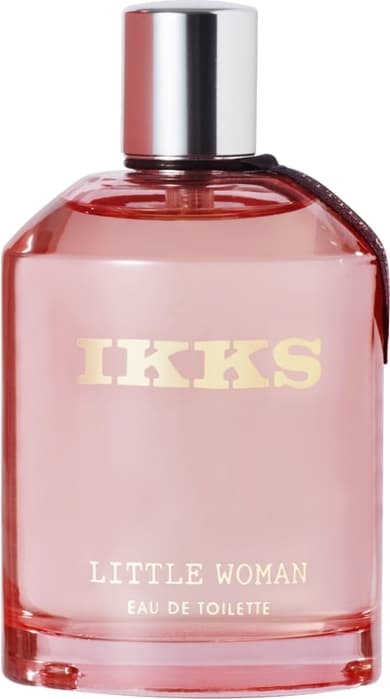
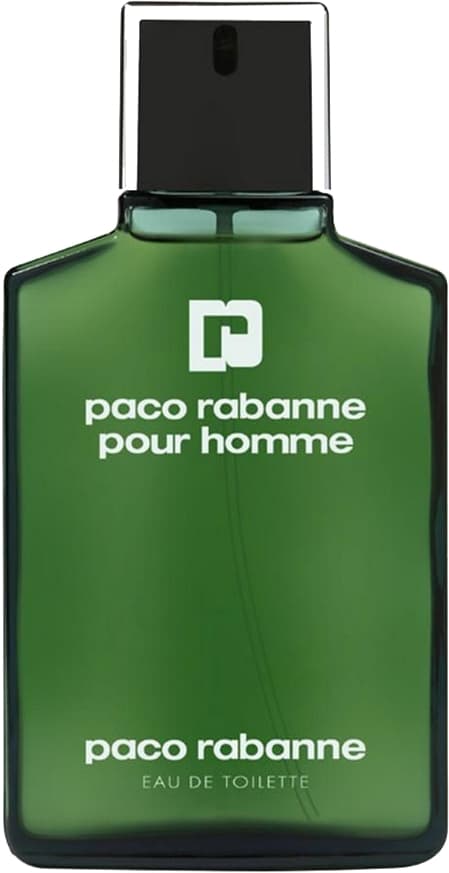
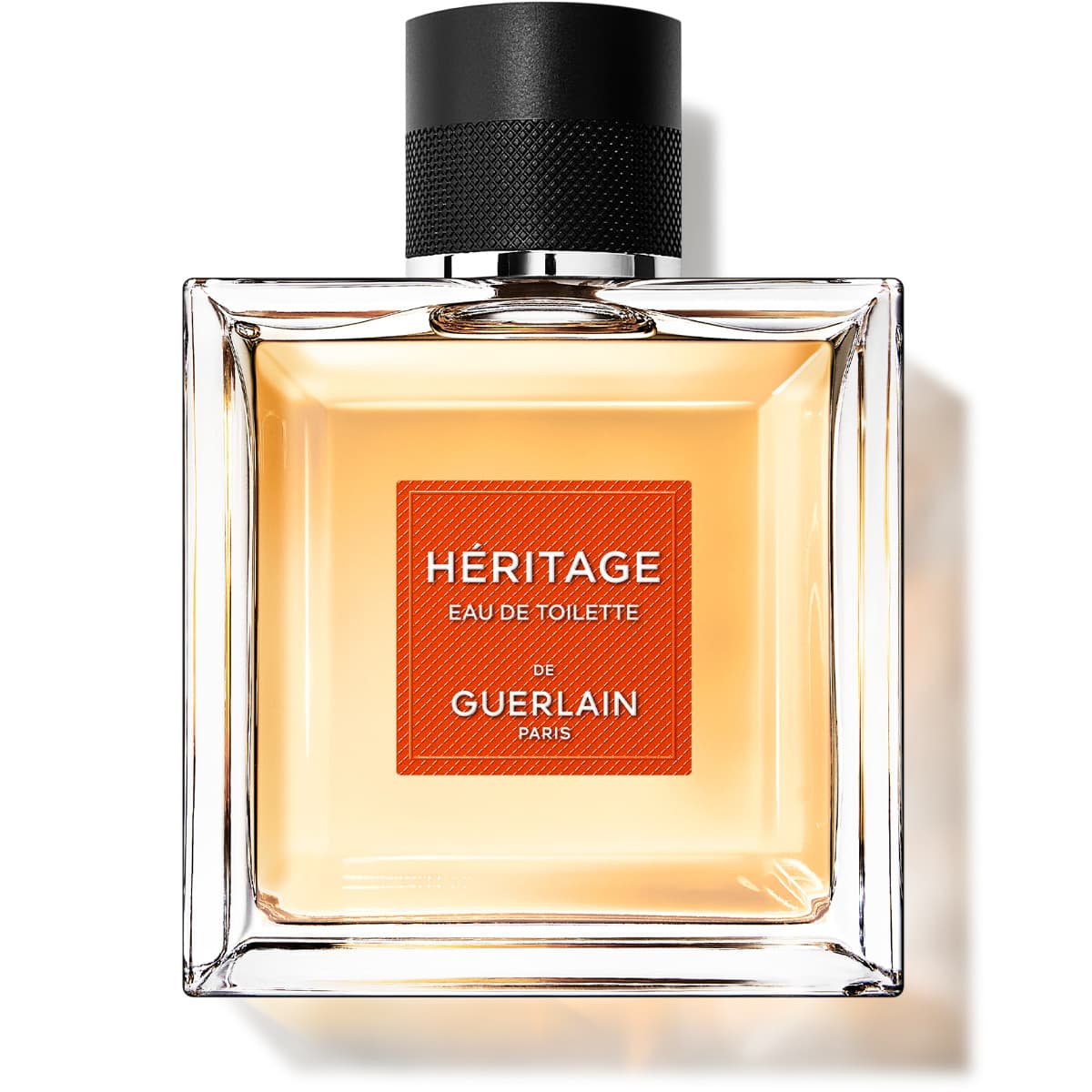
Perfumes with the Cyclamen note
Floral Floral
 Citrus
 Floral
 Floral
 Citrus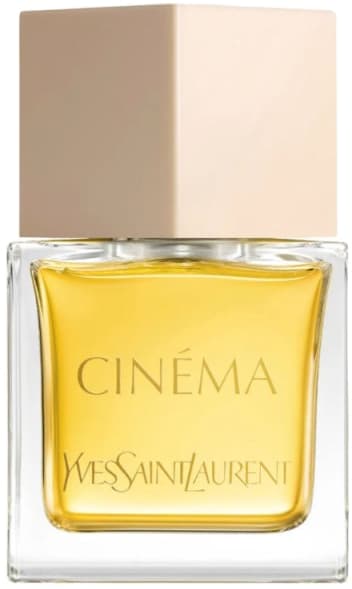
 Chypre
 Woody
Woody