
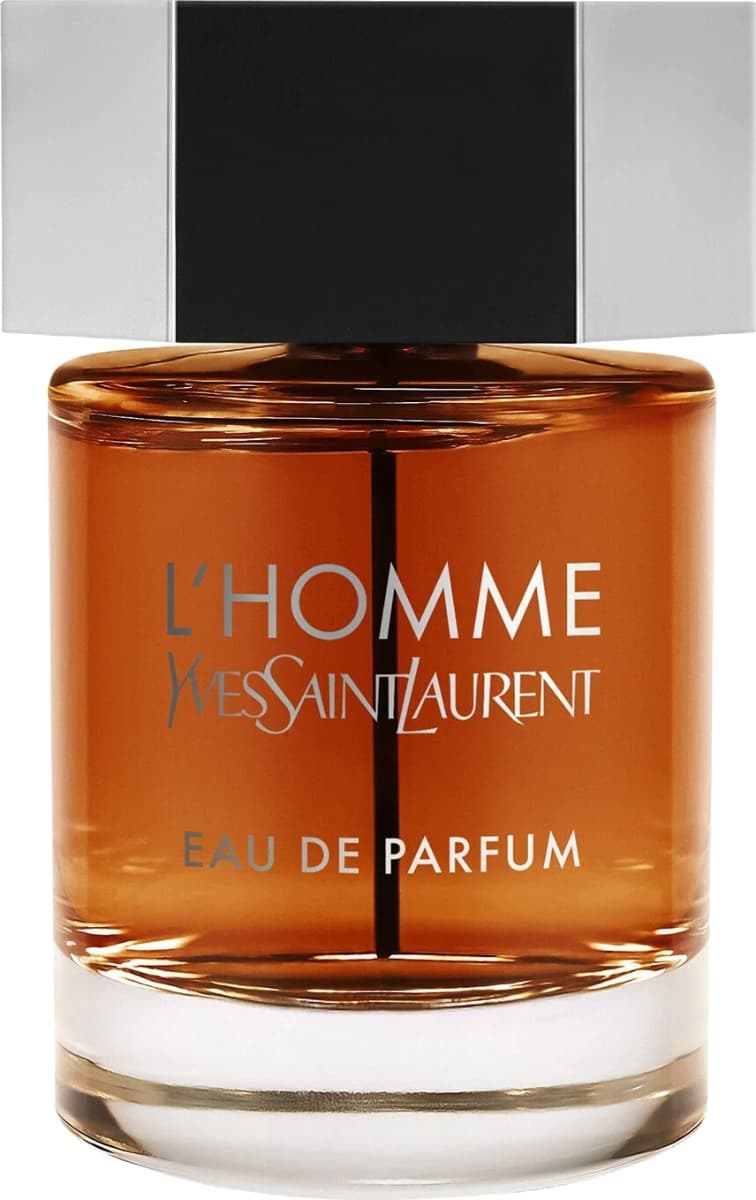
 Woody
Woody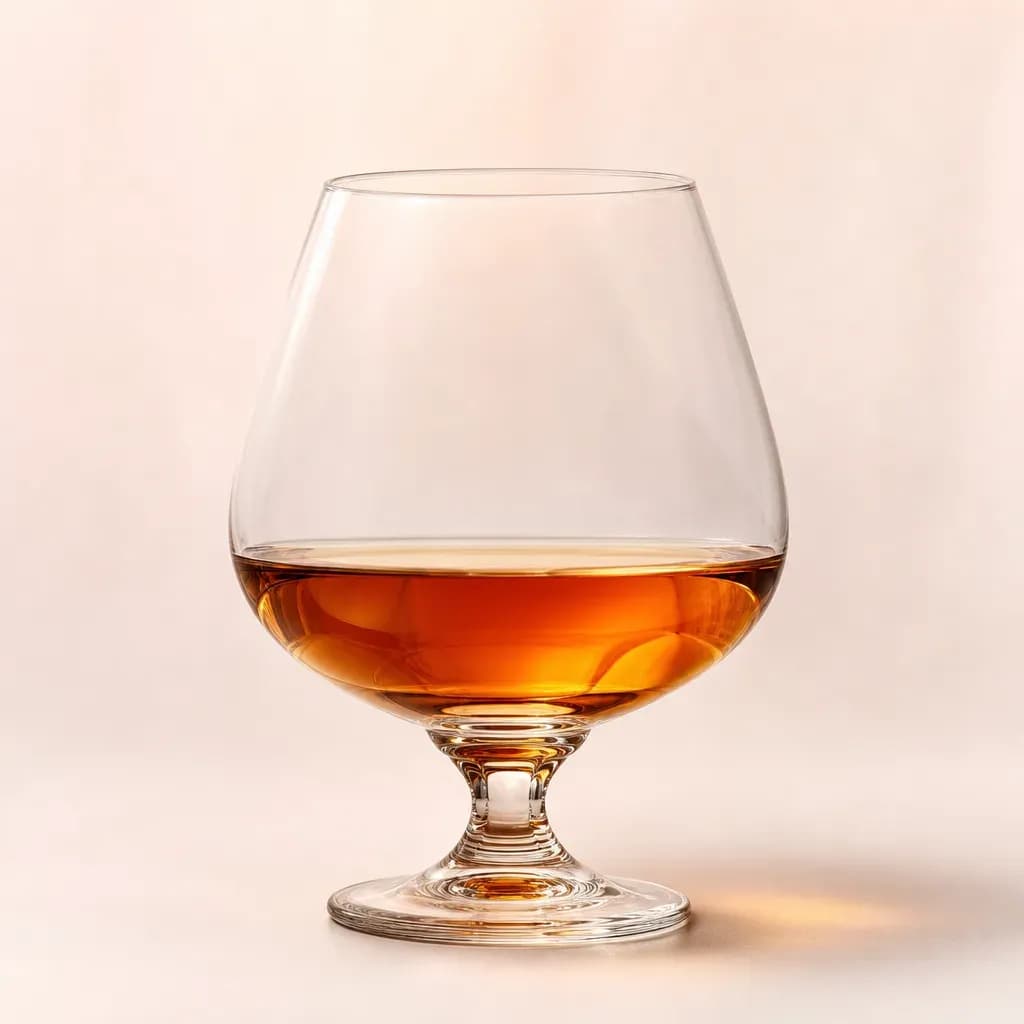
Cognac
When it comes to perfumery, what spontaneously comes to mind is the image of essences based on flowers, noble woods or spices. Yet, thanks to numerous scientific advances, the palette of available scents has grown considerably year after year. Increasingly surprising ingredients are making their appearance in perfumes, starting with a few spirits. Cognac has thus made its way into some fragrances, immediately giving them a more sulfurous and intoxicating character! Let us look at the origin and scent of this typically French spirit. Above all, let us discover the perfumes that contain it.
Cognac, a typically French spirit
You may not know it, but cognac is one of the most exported French spirits, particularly to the United States. The 2018-2019 season was even a record-breaking one, with 211 million bottles shipped, for a value of €3.4 billion, growth largely driven upward by the American and Chinese markets. To this day, 98% of French cognac production is exported beyond our borders. So what is the secret of the most “French” of spirits in generating such enthusiasm?
Cognac is a wine brandy, produced in France, and more precisely around the region of Cognac, as its name indicates. This spirit comes mainly from Charente, Charente Maritime, Dordogne and Deux-Sèvres.
More specifically, cognac comes from grape alcohol, like wine. It is made from white grape varieties, mainly Ugni Blanc as well as Colombard, Folle Blanche, and also, since 2005, Folignan. Immediately after the harvest, the grapes are pressed and the must is left to ferment. After 5 to 7 days, fermentation produces a low-alcohol wine (between 8° and 11°), acidic and cloudy, not very pleasant to drink as is. It is only after double distillation and aging in oak barrels (for at least two years) that cognac is obtained.
Cognac for tasting
Cognac is mainly used for drinking. Very often, it is served as a digestif. In this case, it is enjoyed at room temperature, in a brandy glass. Nevertheless, it can also be drunk as an aperitif. This more recent way of consuming it consists of drinking it neat, on ice, or diluted with soda or orange juice. Moreover, several cognac-based cocktails have also emerged, such as the side-car, the Alexander or the Stinger.
Cognac in perfumes
Used in perfumes, cognac accord unfolds a smooth, sulfurous breath. It gives the fragrances that contain it a more carnal, glowing and enveloping character. Rich in numerous subtleties, cognac releases hints of vanilla, candied orange or jasmine. Used by the greatest perfumers, this ingredient has given rise to multiple compositions such as Boss In Motion Green Edition by Hugo Boss, Champaca Absolute by Tom Ford, Encounter by Calvin Klein or the iconic Parfum des Merveilles by Hermès.
Perfumes with the Cognac note
Woody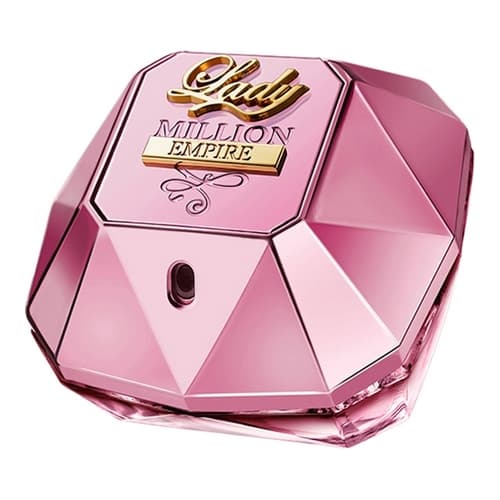 Chypre
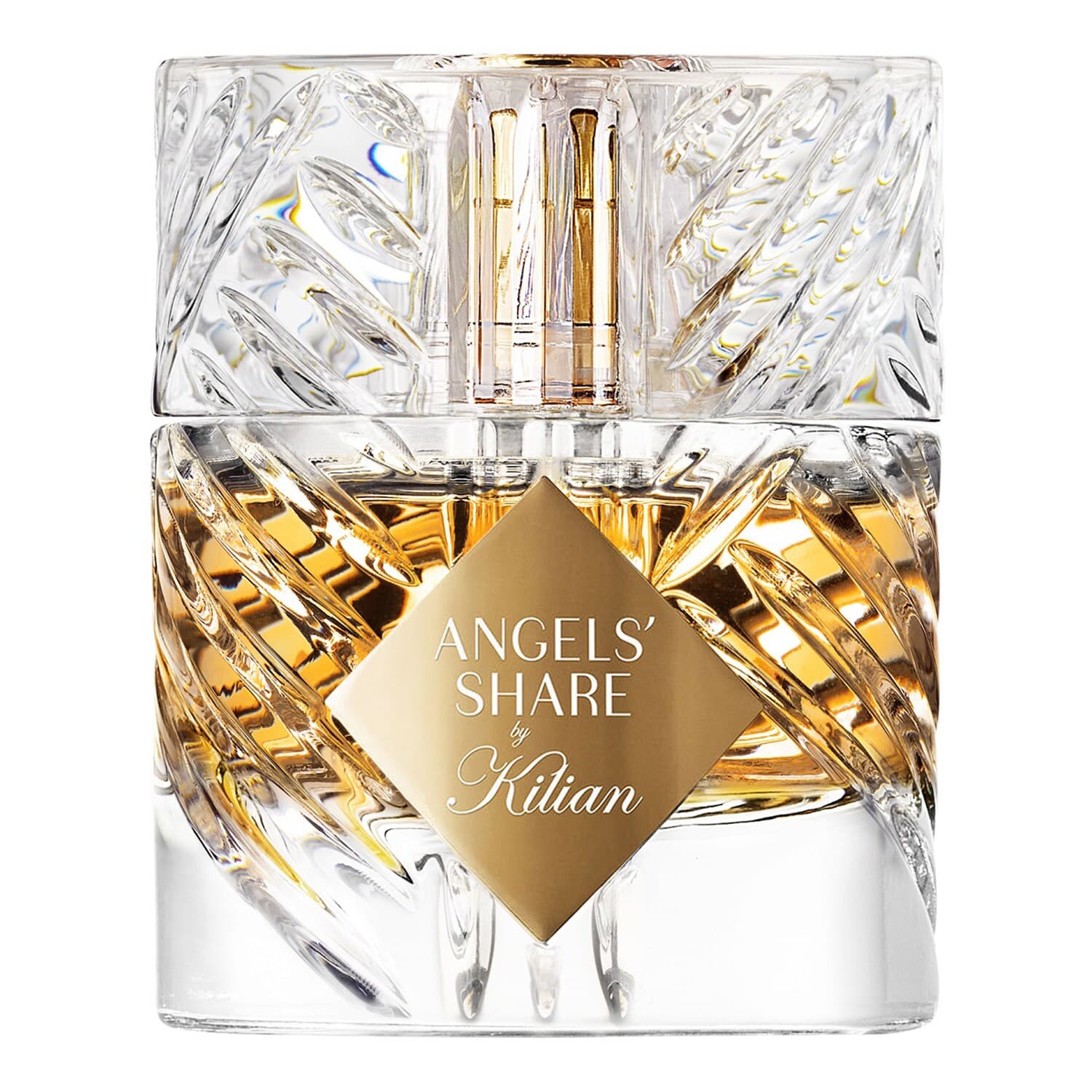 Oriental
 Oriental
 Oriental