
 Floral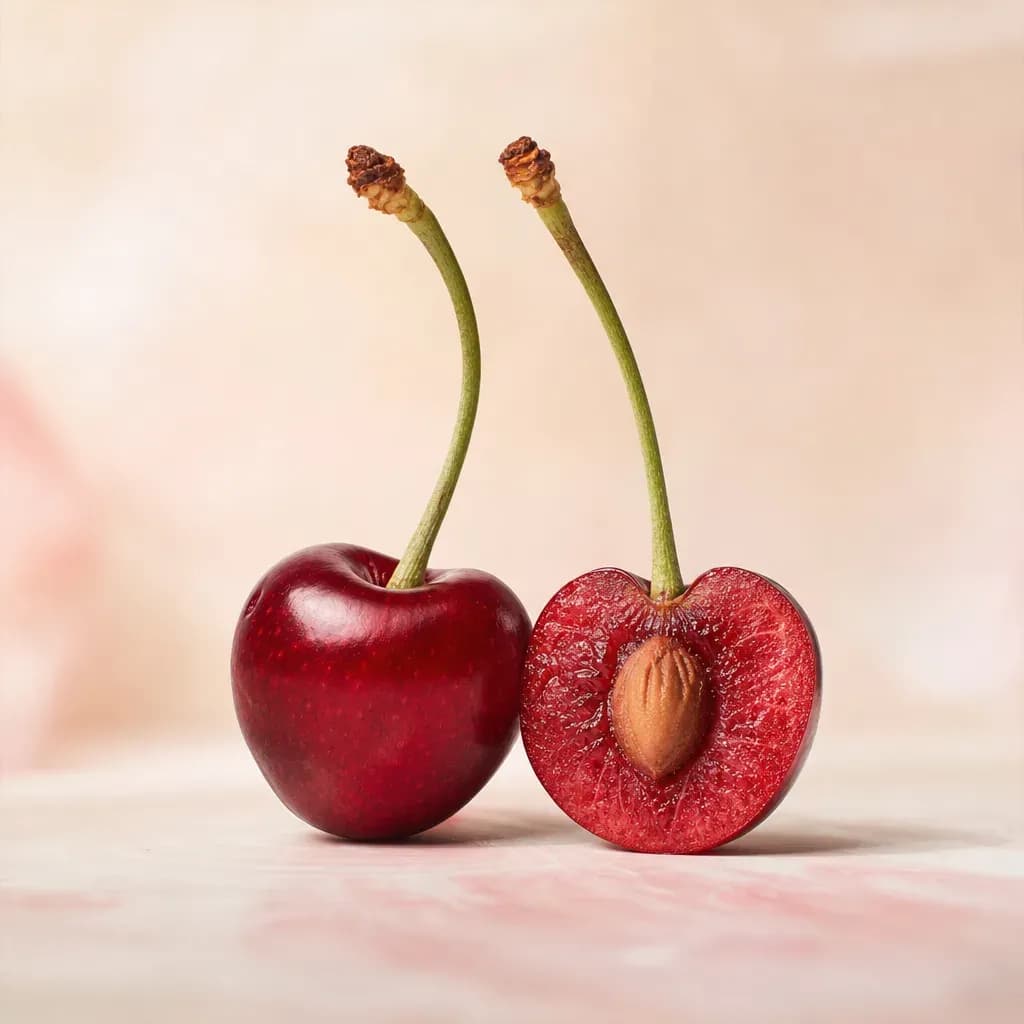
Cherry
A quintessential summer fruit, cherry has what it takes to win over many consumers. It is synonymous with summer and is just as appreciated for its pretty color as for its delicious taste. It is therefore hardly surprising that perfumers have made this summer fruit their own.
The history of cherry
Cherry is an edible fruit that grows on the cherry tree. It is a drupe, that is to say a fleshy fruit with a pit, spherical in shape and red in color, more or less dark depending on its ripeness. While its fruit grows in summer, it is preceded by elegant little white or pink flowers, which are, for their part, synonymous with spring. The cherry tree has been present in Europe since the Neolithic era. This is in fact attested by numerous archaeological discoveries. It is safe to say that it has always been part of human history. Its cultivation, however, is thought to date back to the fourth century BCE, and traces of it have been found in Asia Minor. The cultivation of cherries is then thought to have spread to the Greeks and then to the Romans. It is said to have been brought from Cerasus in Pontus to Rome by Lucullus. Likewise, it was a fruit very much present in the Middle Ages, and this delicate, sweet ingredient was sold on many stalls. However, it was truly under Louis XV, who particularly loved cherry, that its intensive cultivation is owed. Generally speaking, the cherry harvest takes place from the end of May to mid August. In France, the leading producing department for this small fruit is Vaucluse. It alone supplies three quarters of French cherry production intended for processing and 25% of table cherries. While cherries are highly prized in food, whether in jam, pastry, drinks or simply eaten fresh, they are also recognized for their many health benefits. Indeed, they are rich in vitamin C and vitamin B3 and also have laxative properties. Likewise, they naturally contain pectin, which is very useful for making jams. The potassium contained in cherry, for its part, gives it diuretic properties. Finally, contrary to its reputation, the caloric content of cherry remains reasonable.
Cherry in perfumery
Many varieties of cherry are used as a source of inspiration for creating fragrances. However, it is impossible to obtain an essential oil directly from its pulp. Its scent is therefore recreated in the laboratory through a blend of different synthetic molecules. In this case, benzaldehyde is used to reproduce the slightly bitter note of its pit. Likewise, two types of scent should be distinguished: that of the fruit and that of cherry blossom. Indeed, cherry blossom is also very widespread in feminine fragrances. What is more, this flower is sacred in Japan, and the blooming of cherry trees evokes a strong tradition found in many fragrances evocative of that country.
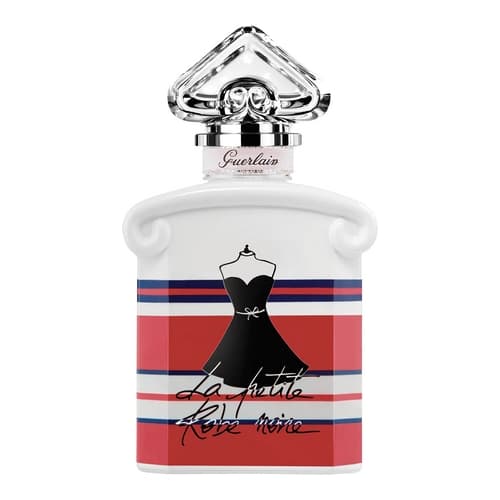
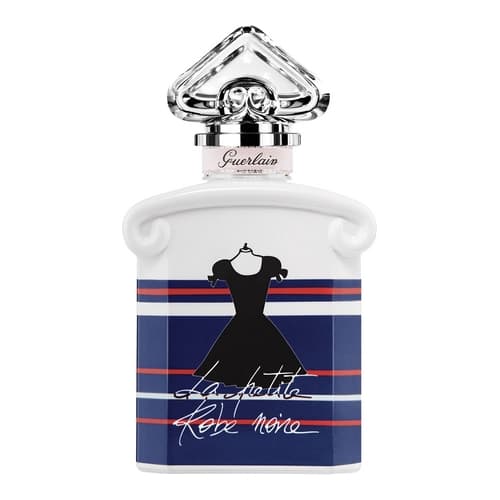
What is more, it should be noted that, while cherry tree is very often present as a background note in fragrances such as La Petite Robe Noire by Guerlain, it is also often given pride of place. Thus, several fragrances are entirely devoted to it. This is notably the case with Cherry Fantasy by Nina Ricci, Cherry Blossom Fruity by Guerlain, Cerisier en Fleurs by Fragonard and Cherry In The Air by Escada.
Identity card
- Latin name : Prunus
- Origin : Artificielle
- Type : Reproduction
Perfumes with the Cherry note
Floral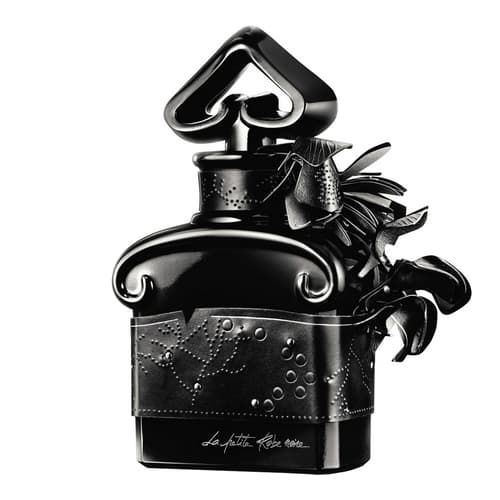 Oriental
 Floral
 Oriental
 Fruity
 Floral
 Floral
 Oriental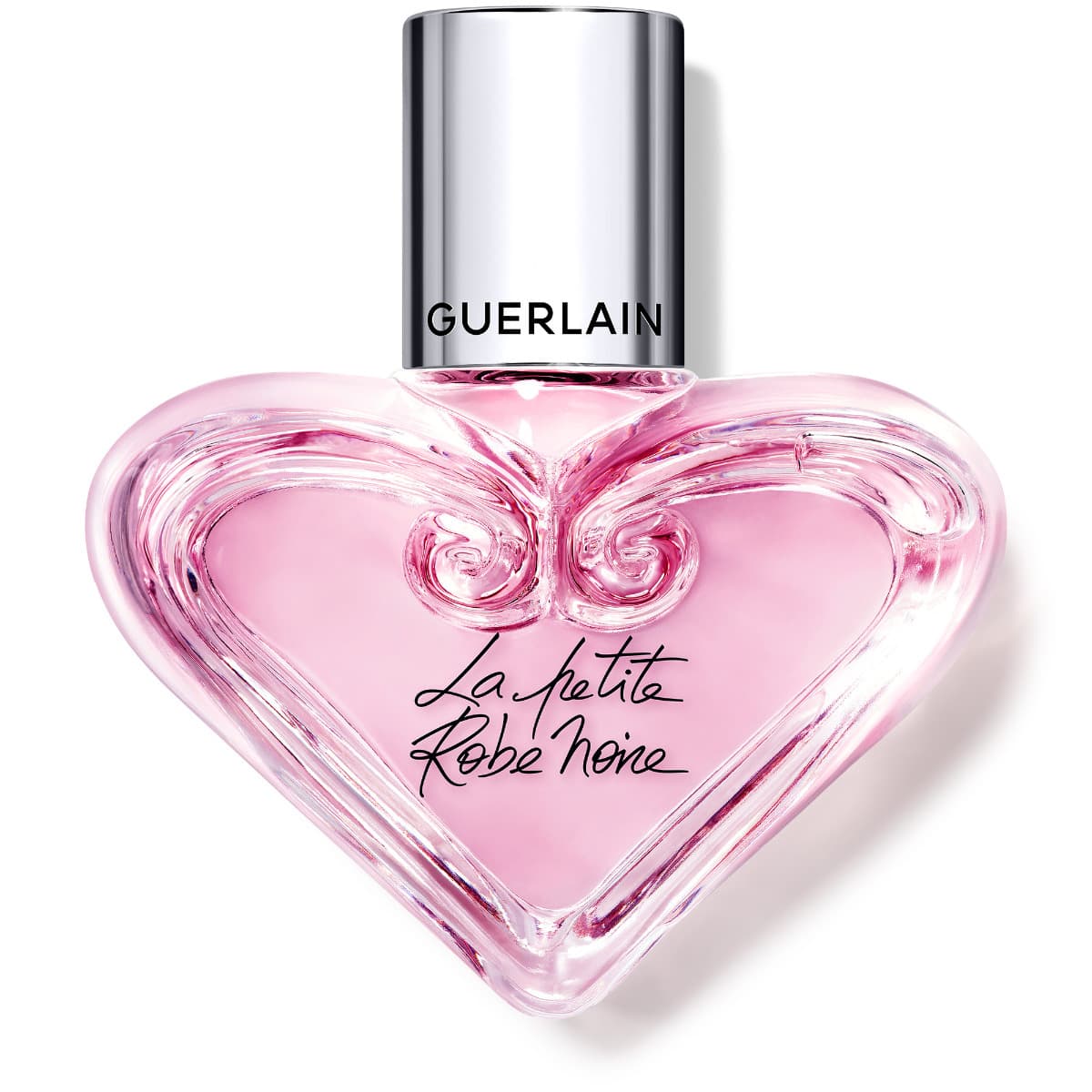
 Oriental
 Floral