
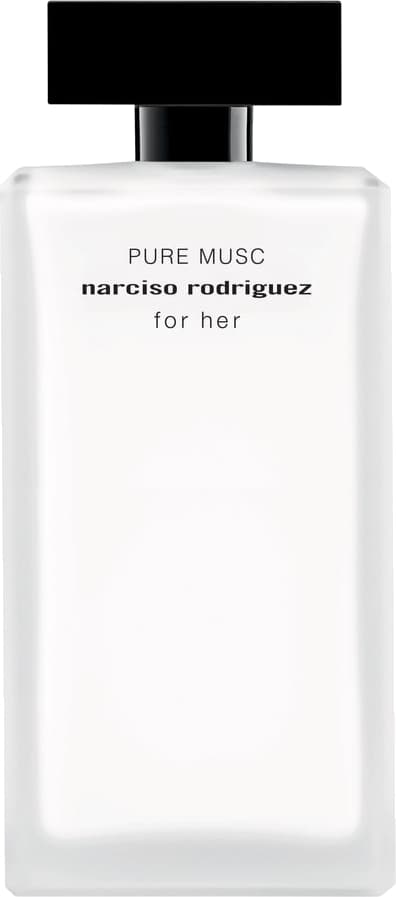
 Floral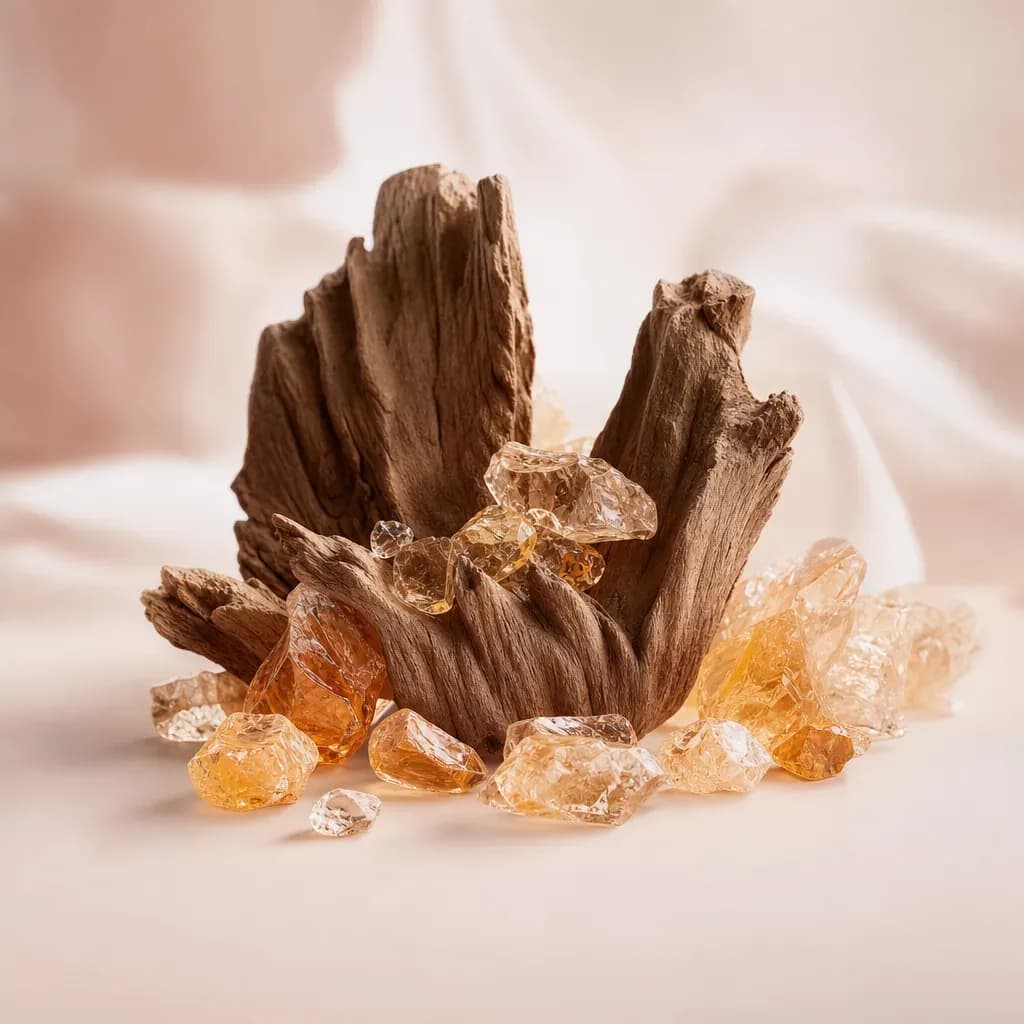
Cashmere wood
Cashmere wood, also called Cashmeran, is a product derived from a synthetic molecule. The name of the Cashmeran note was marketed and trademarked by IFF (International Flavors and Fragrances). It was IFF that discovered cashmere wood in 1970, through Doctor John Hall. Cashmere wood is therefore a molecule that does not exist in nature. It nevertheless lends compositions tonalities that are at once warm, woody, soft, vanillic or balsamic, and leaves a voluptuous sillage. It is a soft molecule that invites touch and releases unprecedented notes.
Cashmere wood, a laboratory molecule
Cashmere wood is recent, having only been discovered in 1970. More precisely, cashmere wood is an “alicyclic ketone” with the molecular formula C14H220 and a molecular weight of 206. Cashmeran is thus entirely the product of research. Cashmere wood is a note apart, meant to be as much olfactory as tactile. Cashmere wood evokes an imaginary wood. It would be soft, warm, slightly dusty, camphoraceous, woody, yet with a unique voluptuousness. It could be said that Cashmeran is the only raw material one wants to fall into the arms of, so that it may envelop one in infinite, sensual softness.
Cashmere wood in perfumery
Givenchy was the first to use the “Cashmere wood” note, in its fragrance Amarige, released in 1990. It thus paved the way for many other perfumers, and cashmere wood is now found in major fragrances. Naturally, it appears within oriental fragrances such as Oud by Réminiscence, where cashmere wood sits in the top notes alongside cardamom and pink pepper. It is also found in a very famous oriental fragrance, Alien by Thierry Mugler, and in the equally famous oriental-floral Manifesto l’Éclat by Yves Saint Laurent. Cashmere wood can nevertheless be surprising, slipping into floral-fruity compositions such as Eternity Moment by Calvin Klein, or into a green floral such as Eau Mega by Viktor & Rolf. Finally, cashmere wood truly creates surprise by integrating beautifully into citrus fragrances, as found in Eau de Lacoste L.12-12 Noir by Lacoste, where Cashmeran sits in the base notes alongside coumarin.
Although cashmere wood is an olfactory note created in the laboratory, it has found its place thanks to the warm, woody and soft tonalities it releases. Today, cashmere wood is highly prized by noses, who use it beautifully within oriental compositions, but also woody, fruity, floral and even citrus ones.
Perfumes with the Cashmere wood note
Floral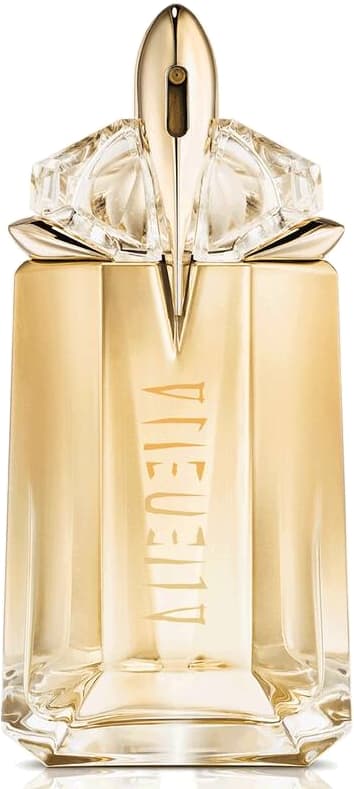 Floral
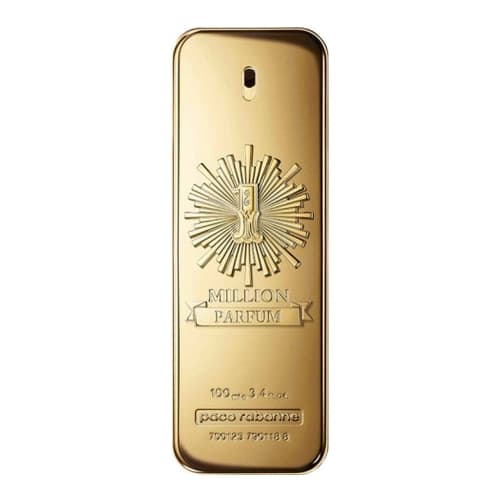 Woody
Woody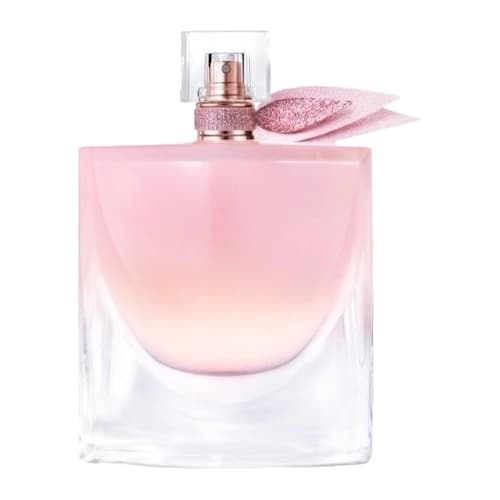 Floral
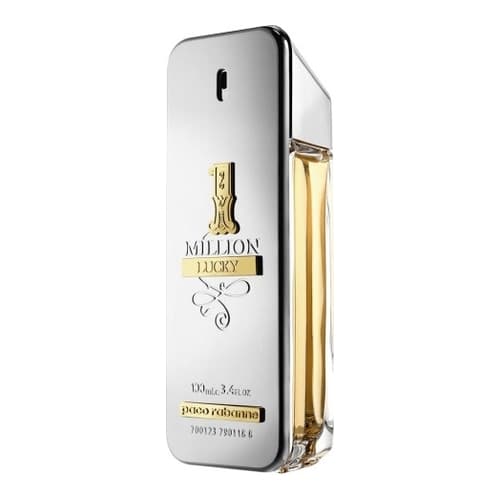 Aromatic
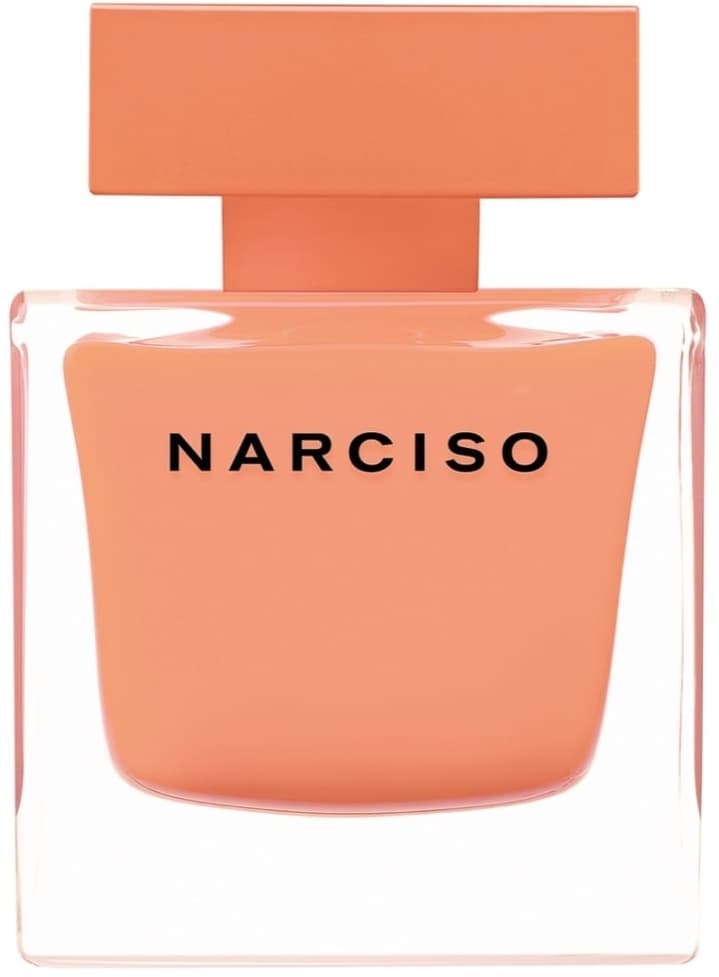 Oriental
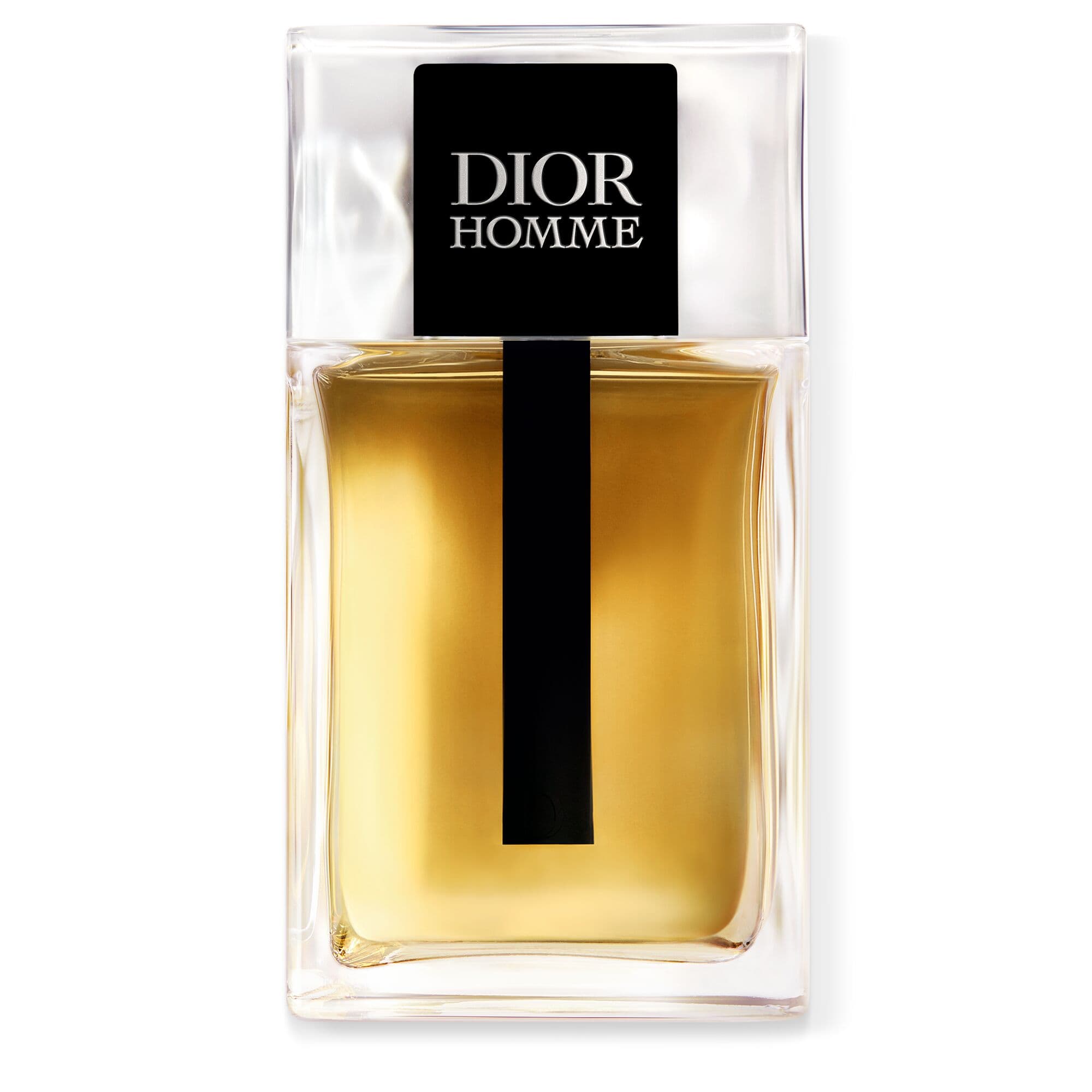 Woody
Woody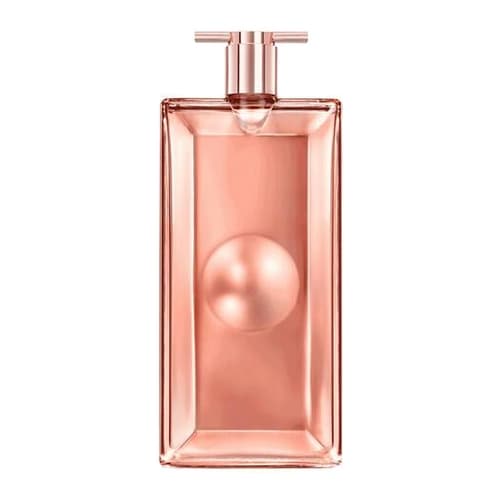 Chypre
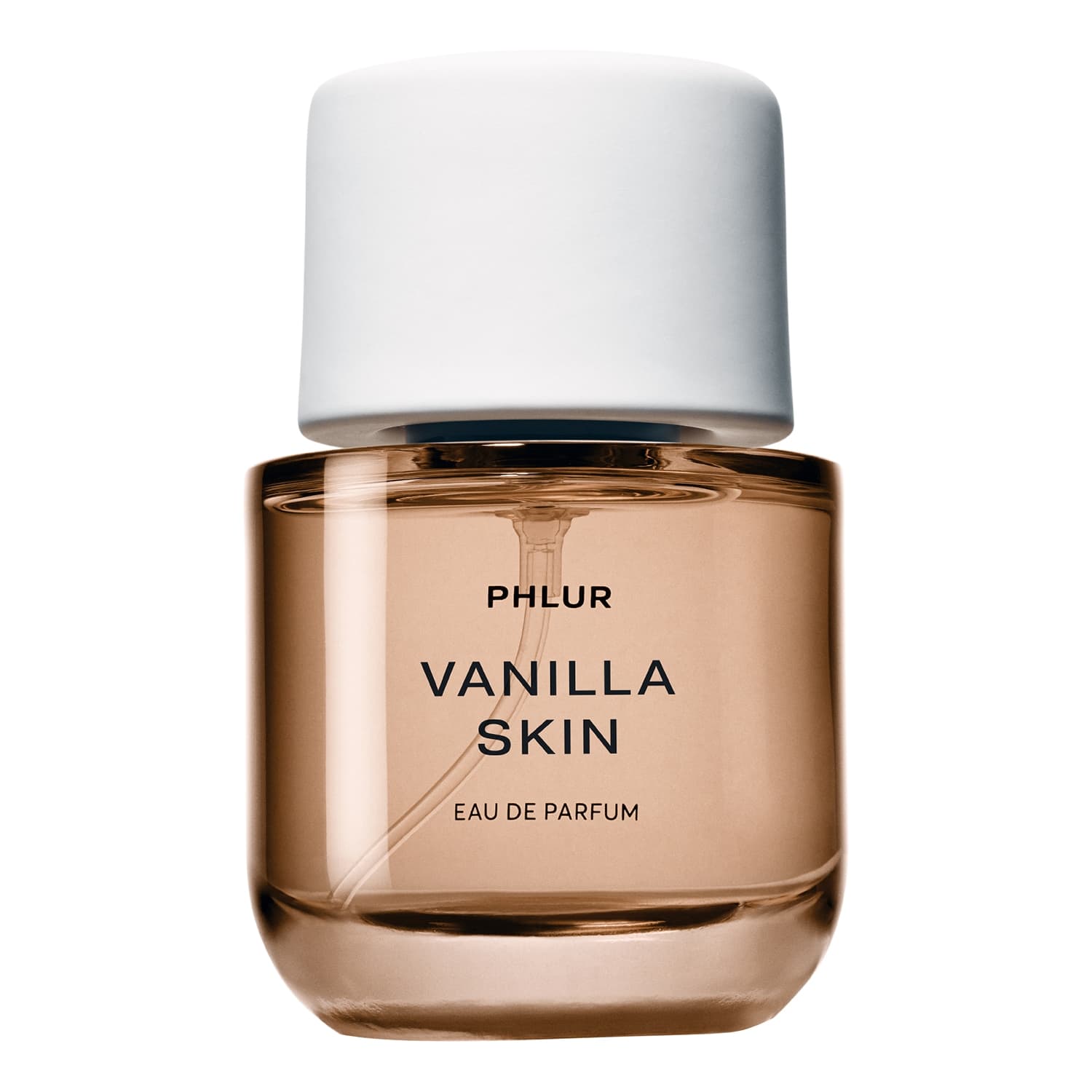 Oriental
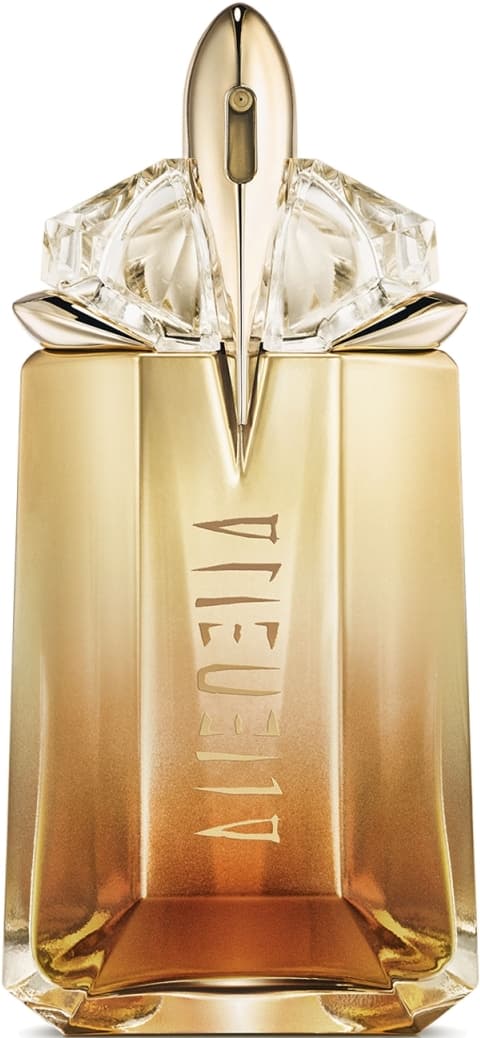 Floral
 Woody
Woody Oriental