
 Leather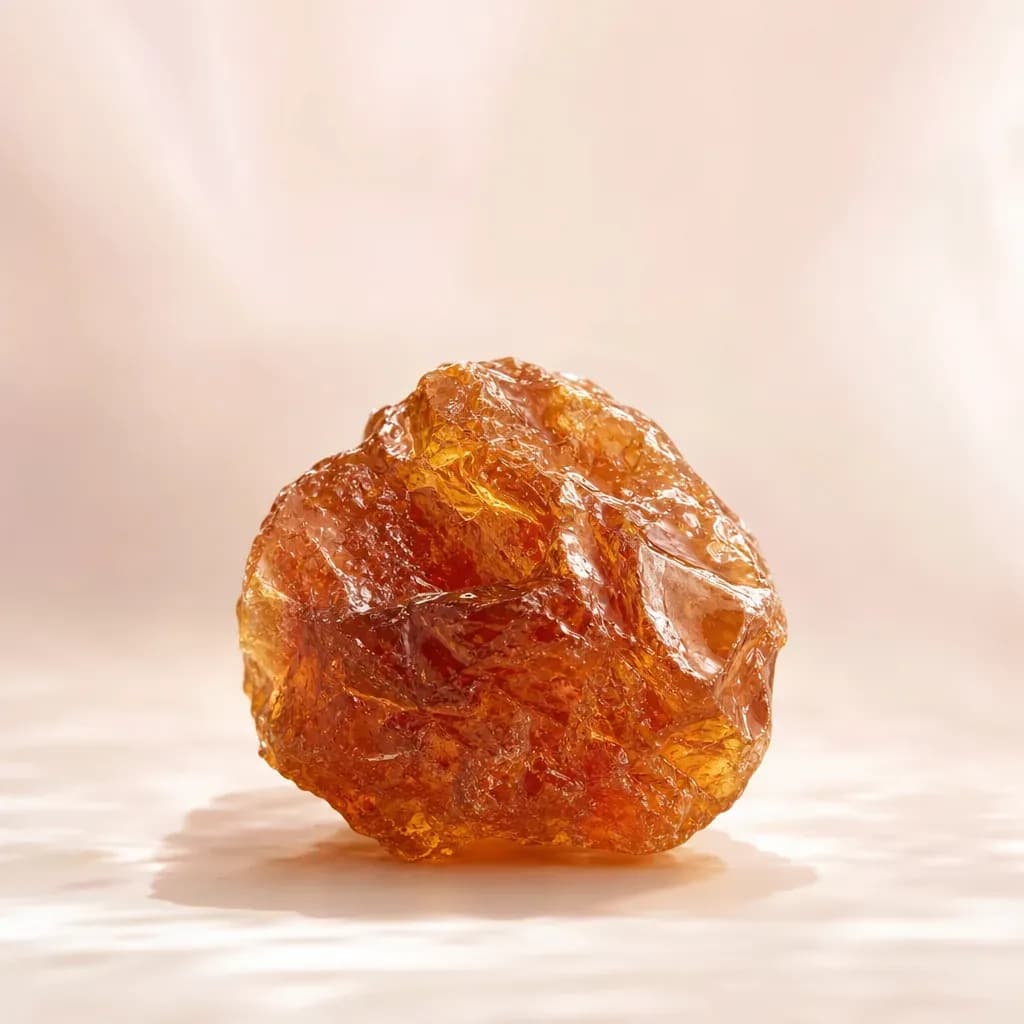
Peru balsam
Perfumery certainly allows one to enhance an outfit, but it is also an excellent everyday escape, allowing one to travel with a single breath. Thus, many fragrances incorporate ingredients from all over the world. Perfumers do not hesitate to travel the globe in search of new elements. In this regard, Peru balsam is a widely used ingredient in today's fragrances.
The origins and appearance of Peru balsam
The Peru balsam tree is a tree of the fabaceae family native to Central America. It grows more specifically in Mexico, Costa Rica, Nicaragua, Guatemala, Colombia, Venezuela and Ecuador. Indeed, its name is misleading, as it is not a tree found in the country of Peru. In reality, this product owes its name to the fact that Peru balsam was formerly exported from a port in that country. In its natural state, it is a tree measuring between 15 and 20 m tall, with a slender trunk covered in grayish bark. Its leaves, for their part, have about ten leaflets and are alternate. Likewise, the Peru balsam tree is characterized by the presence of fairly small white flowers gathered in clusters. These are accompanied by a fruit, a sort of flattened, winged pod, swollen at its tip, which itself contains a seed. These pods measure 5 to 6 cm long. The Peru balsam tree quickly became famous simply because its plant contains secretory canals that expel a reddish-brown liquid resin: the famous Peru balsam. It contains numerous aromas and an intense scent. However, it is also highly allergenic and can cause redness, itching, blisters and eczema. Nevertheless, this balsam is far from having only drawbacks. It is also recognized for its antiseptic, healing, painkilling, anti-rheumatic and antispasmodic properties. Likewise, Peru balsam stimulates the heart, raises blood pressure and reduces mucous membrane secretions. Finally, a Native American legend tells that it is said to be a tree that springs from the earth when warring tribes finally make peace.
Peru balsam and its sweet, balsamic scent
Peru balsam is a natural balsamic resin that produces essential oil. The latter is obtained by steam distillation of the balsam or by volatile solvent extraction of its resinoid. The balsam itself is extracted directly from the trunk of the Peru balsam tree, which is collected either by partially burning its bark to loosen it easily, or by wrapping a cloth around a cut previously made in its trunk. Once the cloth is impregnated with the balsam, it need only be recovered by heating it. In perfumery, Peru balsam is considered an excellent fixative. It is used mainly in amber, leathery or vanilla fragrances.
Peru balsam is highly prized for its sweet scent reminiscent of caramel. It is notably present in the fragrances Eau de Lacoste, Eau des Merveilles by Hermès, and Love Chloé Eau Intense by Chloé.
Identity card
- Latin name : Myroxylon Pereirae
- Origin : Arbre
- Country : SL
- Part used : Gommes
- Type : Naturel
Perfumes with the Peru balsam note
Leather Oriental