
 Oriental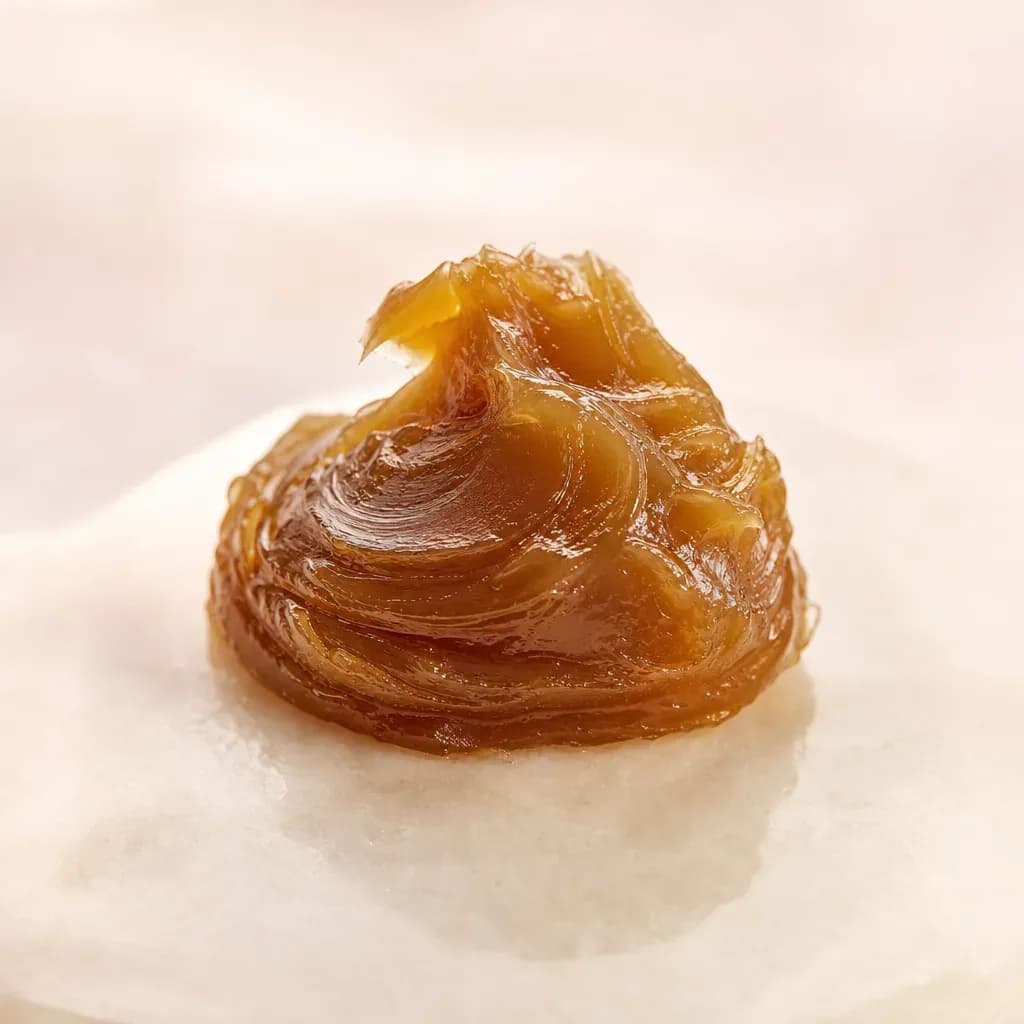
Balsam
Balsam, a resin-based substance Balsam is a kind of paste widely used in medicine and cosmetics. Traditionally, it is used externally, and serves to soothe pain or aid healing. It is a fatty, creamy substance, composed of plant resins. The resins used can be diverse and varied, depending on the properties one wants to associate with the balsam in question. These are substances naturally secreted by plants, mainly conifers. Initially, resins have a liquid appearance, rather sticky, and dry on contact with air, while releasing a very powerful odor. Fir, bread, and cypress resins have given rise to numerous balsams. Moreover, the latter are highly valued for their freshness, in that they clear the respiratory tract.
Balsam, a general term used in cosmetics
Today, before being used in perfumery, the notion of balsam is mostly very present in cosmetics. In this case, it refers to a rich and consistent product, used for facial or body care. To be distinguished from a simple nourishing cream, balsam blends several ingredients such as oils, water, butters, and natural waxes. Balsams are applied to the skin for their many liquids. Thus, they contribute to regeneration and help protect the skin. They prevent dryness and therefore tightness, redness, and irritation. Balsam is ideal for protecting the skin during winter and keeping it supple and soft throughout the year.
Balsam: what does it mean in perfumery?
When it comes to balsam in perfumery, it is rather the first category mentioned previously: that is, the very strong odor released by conifer resins. Balsams are found mainly in the base notes of fragrances. They act as an excellent fixative and give the juice containing them a softer, sweeter, and rounder character. They are a very common ingredient in fragrances belonging to the oriental olfactory family. To obtain a balsam, the trunk of a tree must be incised and the resin that escapes must be collected. It is then steam distilled, before the balsam is extracted using solvents. This traditional manufacturing method is nevertheless very often replaced today by synthetic components, whose cost is much lower.
In fragrances, the main balsams currently used are:
- Peru balsam, with a caramelized, waxy, leathery odor.
- Tolu balsam, mainly produced in Colombia. Its scent is more vanilla and woody.
- Copaiba balsam, from the copaiba tree of South America or West Africa. It releases an aromatic, woody, balsamic, and resinous odor.
- Benzoin, from Indochina, with a powdery, spicy, milky, and vanilla breath.
Perfumes with the Balsam note
Oriental Floral
 Aromatic
 Oriental