
 Floral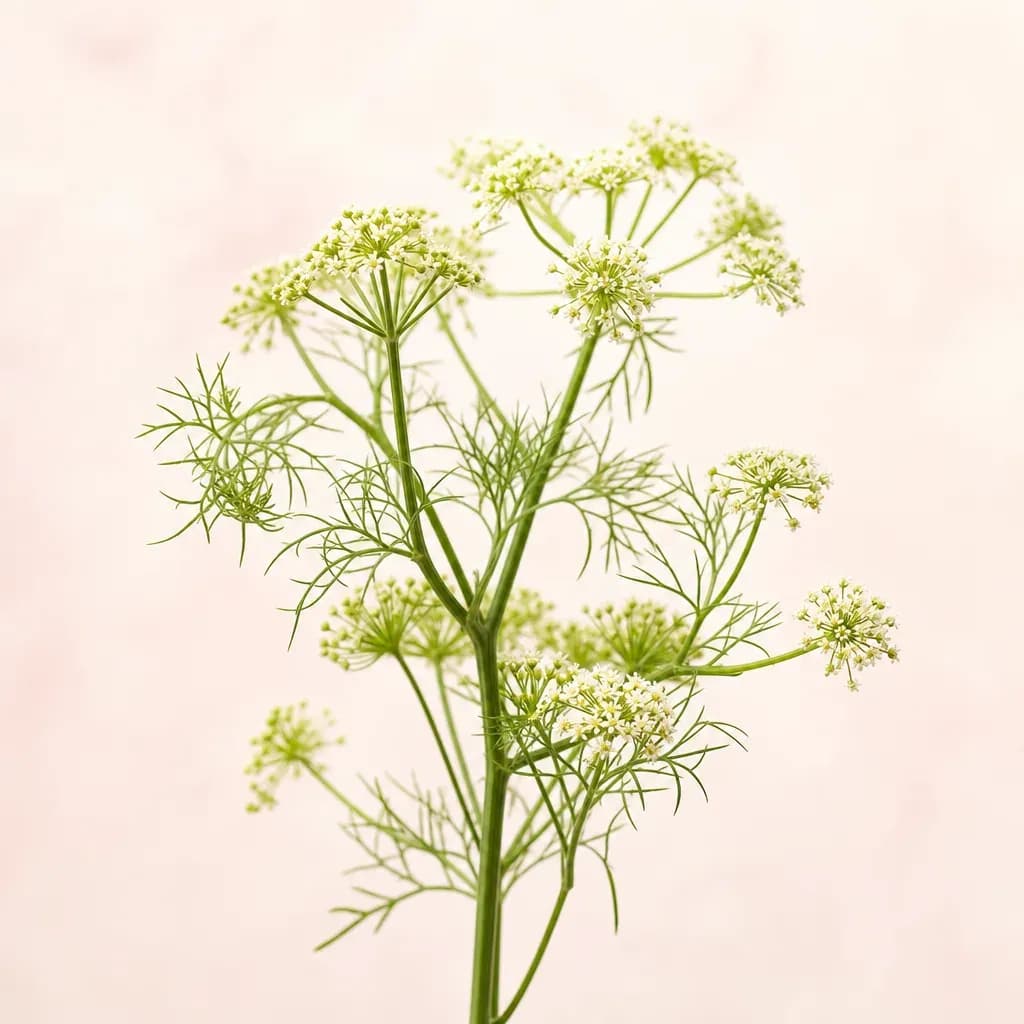
Anise
Quite often, plants were once used to treat many ailments. The substances created for their medicinal properties also offered, at the same time, a subtle fragrance. Thus, many plants have now spread into the world of perfumery. In this respect, anise proves to be just as beneficial in terms of scent as it is in therapeutic matters.
The benefits and virtues of anise
Anise is a highly fragrant and decorative aromatic plant. It originates from the Mediterranean basin and has an ancestral history. Anise was already cultivated by the Egyptians more than 4000 years ago and was thus used for its medicinal properties. Today, anise is recognized for its antispasmodic effects, treating difficult digestion or bloating. Moreover, contrary to what one might tend to think, anise is a remedy against halitosis, meaning it helps counter bad breath. Simply chewing a few green anise seeds is enough to escape embarrassing situations. Likewise, it helps reduce nervous disorders as well as migraines. It fights fatigue, stimulates appetite and is an excellent remedy against asthma, bronchitis, pharyngitis, coughing or colds. Anise manages to soothe infant colic and limits menstrual disorders in women. In other words, it is a truly miraculous plant. It belongs to the Apiaceae family and stands between 50 and 80 cm tall. Its leaves consist of three toothed leaflets. Its flowers are small and white, clustered like umbels. Finally, its fruits are greenish-gray, oblong and highly fragrant. Overall, anise requires high exposure to sunlight.
The use of anise in perfumery
The strength of anise in perfumery is that every part of it is fragrant. As such, anise is widely used in perfumery and is known for bringing an aromatic, green and spicy touch to the fragrances that contain it. Its essential oil is obtained through hydrodistillation of the whole plant. In other words, this involves injecting a stream of previously heated water vapor into contact with the anise. This vapor thus absorbs the scent of this plant before being distilled. Most often, anise is incorporated into woody, chypre or fougère compositions. As for star anise, a variety with a very different form but a somewhat similar scent, it develops a spicier note.
Generally speaking, anise is an ingredient recognizable at a single whiff. This raw material was showcased in Anis Patchouli by La Compagnie de Provence. It also appears in the famous men's fragrances Armani Code, Azzaro pour Homme and Désir pour Homme by Guerlain. For women, anise is present in Champs-Élysées by Guerlain, as well as in Eau de Minuit Poussières d'Etoiles by Lolita Lempicka.
Identity card
- Latin name : Pimpinella Anisum
- Origin : Plante
- Part used : Graines
- Type : Naturel
Perfumes with the Anise note
Floral