
 Floral
Salt
Salt has no smell: the salty note in perfumery is a constructed evocation. Perfumers obtain it with modern ambery materials, marine materials such as Calone or fucus absolute, ambrette seeds or salicylates, to evoke sea spray, skin or salted gourmand treats.
A note without a material
Salt smells of nothing, perfumer Aliénor Massenet points out, and no olfactory raw material renders it as it is. The salty note is therefore composed by suggestion, playing on the facets of other ingredients, which act in a composition like flavor enhancers.
How a perfume is salted
Mark Buxton turns to synthetic ambery materials with mineral facets, such as Ambermax or Amberketal, and to salicylates for the effect of warm sand. Aliénor Massenet cites cashmeran, Timut pepper, turmeric, Calone, fucus absolute or immortelle. Ambrette seeds give the salty accent of Fleurs de Sel by Miller Harris.
From sea spray to salted vanilla
Fleurs de Sel, in 2007, signed by Lyn Harris for Miller Harris, draws on the salt marshes of Batz-sur-Mer, on the Guérande peninsula. Sel Marin by Heeley, in 2008, pairs it with lemon, seaweed, vetiver and driftwood notes of cedar and birch. Wood Sage & Sea Salt by Jo Malone London, in 2014, combines it with sage and ambrette.
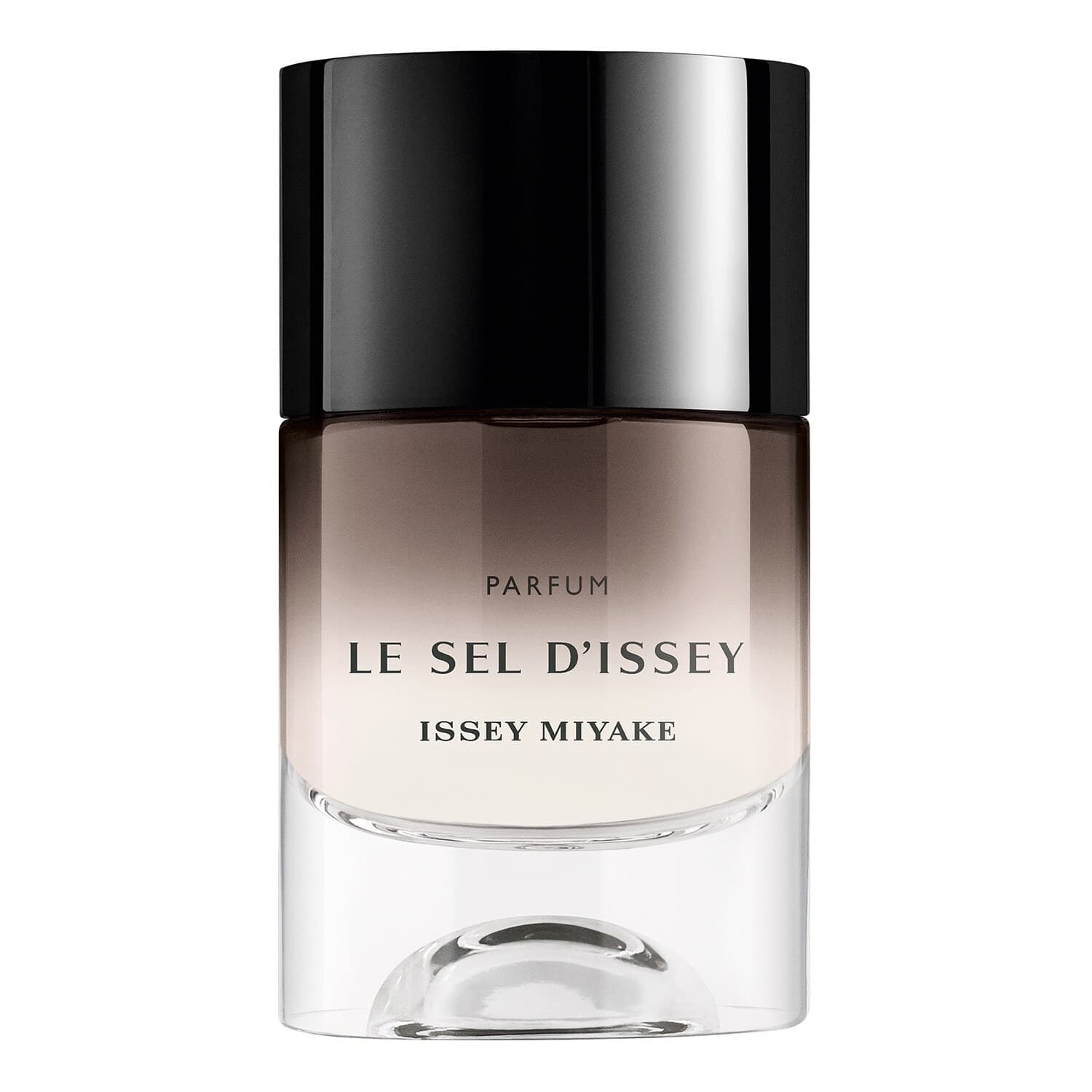
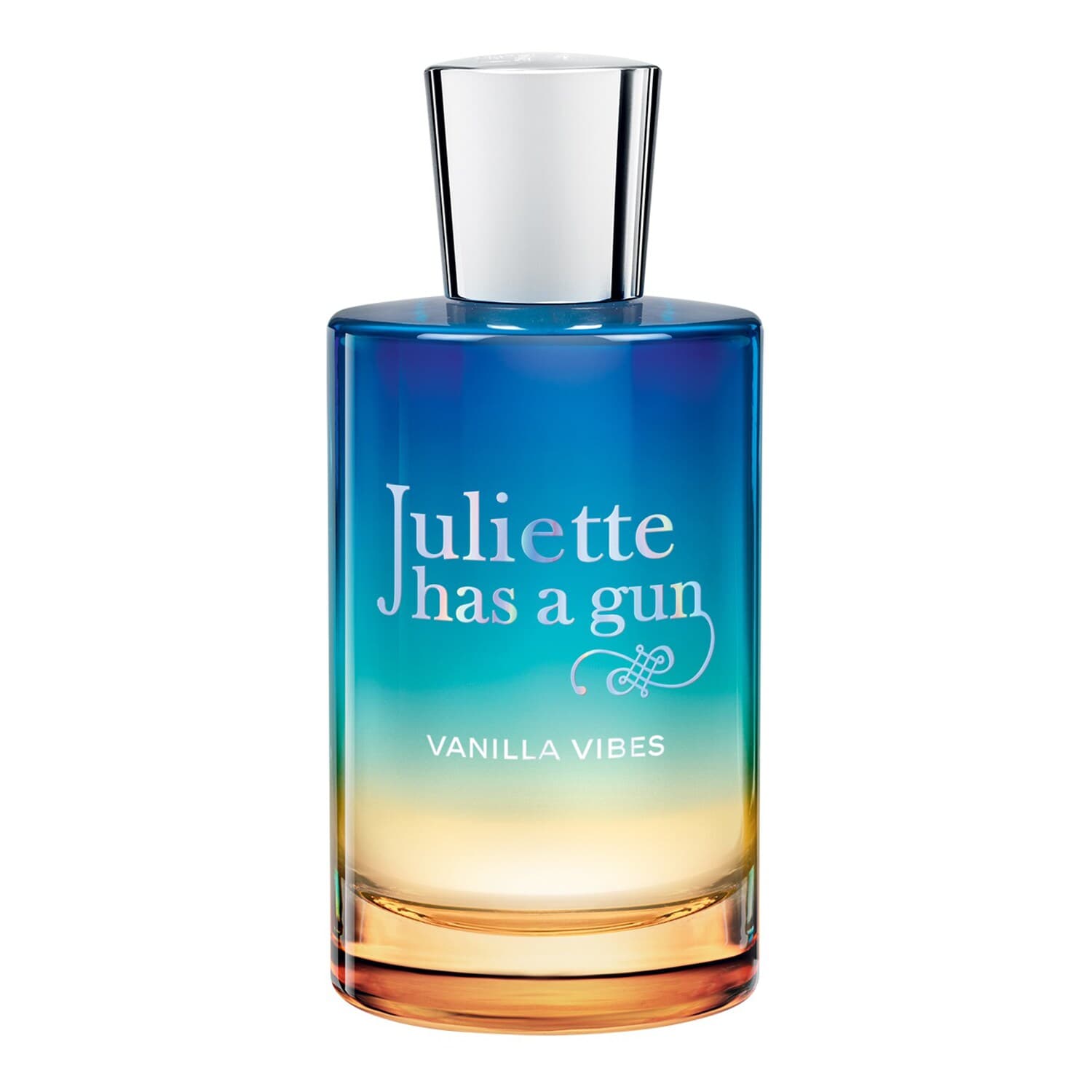
On the gourmand side, Vanilla Vibes by Juliette Has A Gun announces it in the top notes in 2019. Recent launches mostly place it at that level, as in Le Sel d’Issey Parfum, Invictus Elixir by Rabanne or Flora Gorgeous Orchid Intense by Gucci. For seawater, see the Sea salt note.
Perfumes with the Salt note
Floral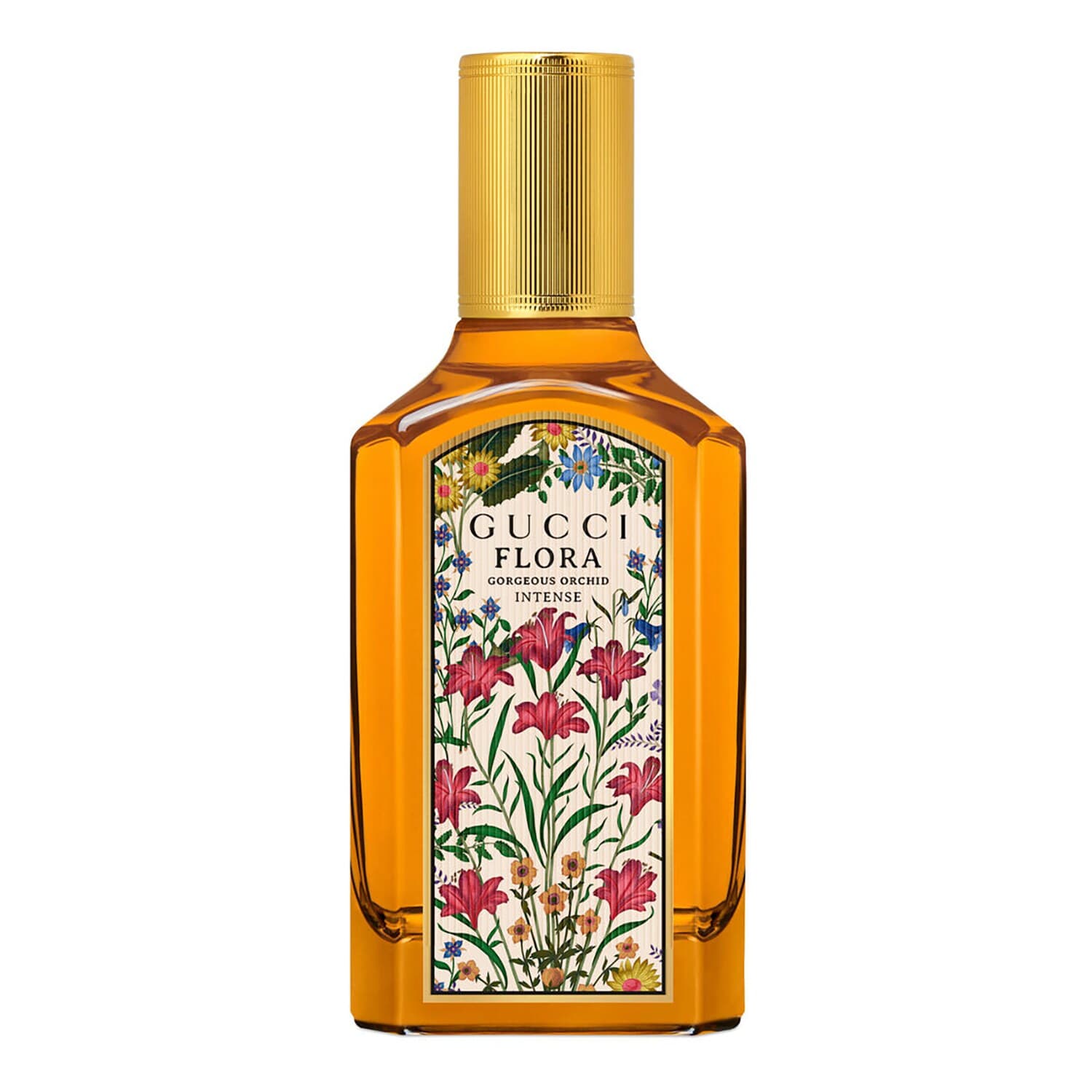 Floral
 Woody
 Woody
 Floral
 Oriental
 Floral
 Marine
 Fougère
 Gourmand
 Fruity
 Citrus