
 Woody
Earthy notes
Earthy notes evoke the smell of damp earth, the one rain releases from dry ground. Their key molecule, geosmin, is produced by soil bacteria, Streptomyces. In Kannauj, India, perfumers have captured this smell for generations in mitti attar, a distillate of baked clay collected in sandalwood oil.
The smell of rain
In March 1964, two Australian researchers, Isabel Joy Bear and Richard Thomas, described the phenomenon in the journal Nature. They named petrichor what had until then been called the argillaceous odor, from the Greek petra, stone, and ichor, the fluid that flows in the veins of the gods.
They explained the smell by an oil that certain plants exude during dry periods and that clay soils retain. Rain releases it along with geosmin, produced by bacteria such as Streptomyces. In 2015, two MIT researchers showed how raindrops project these compounds into the air as aerosols.
The mitti attar of Kannauj
In Kannauj, in Uttar Pradesh, perfumers capture this smell in sandalwood oil by distilling baked clay, a process of about fifteen days. Bear and Thomas already mention this small industry and its matti ka attar, the perfume of earth. Mitti attar has since enjoyed a revival in India and the Middle East.
In perfumes
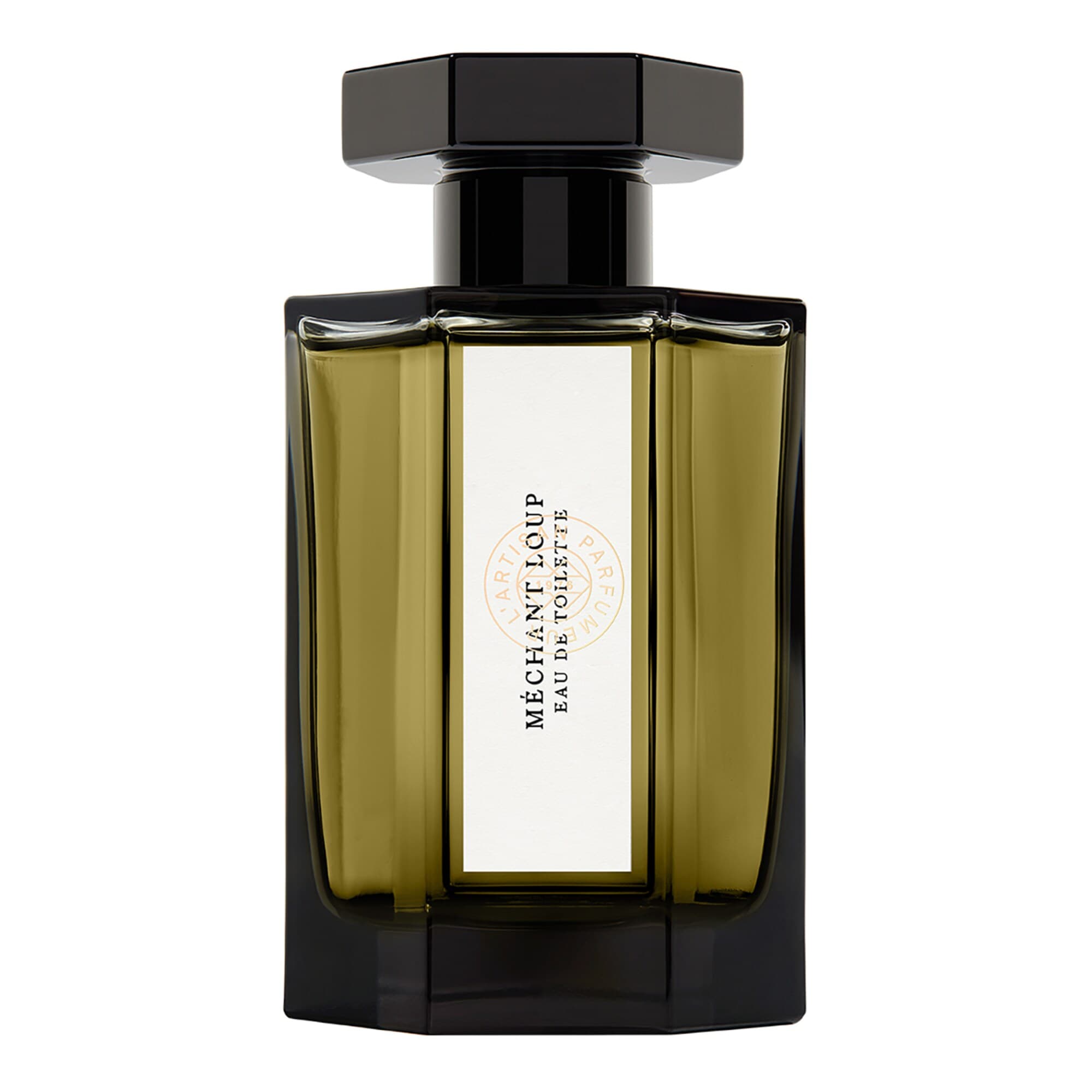
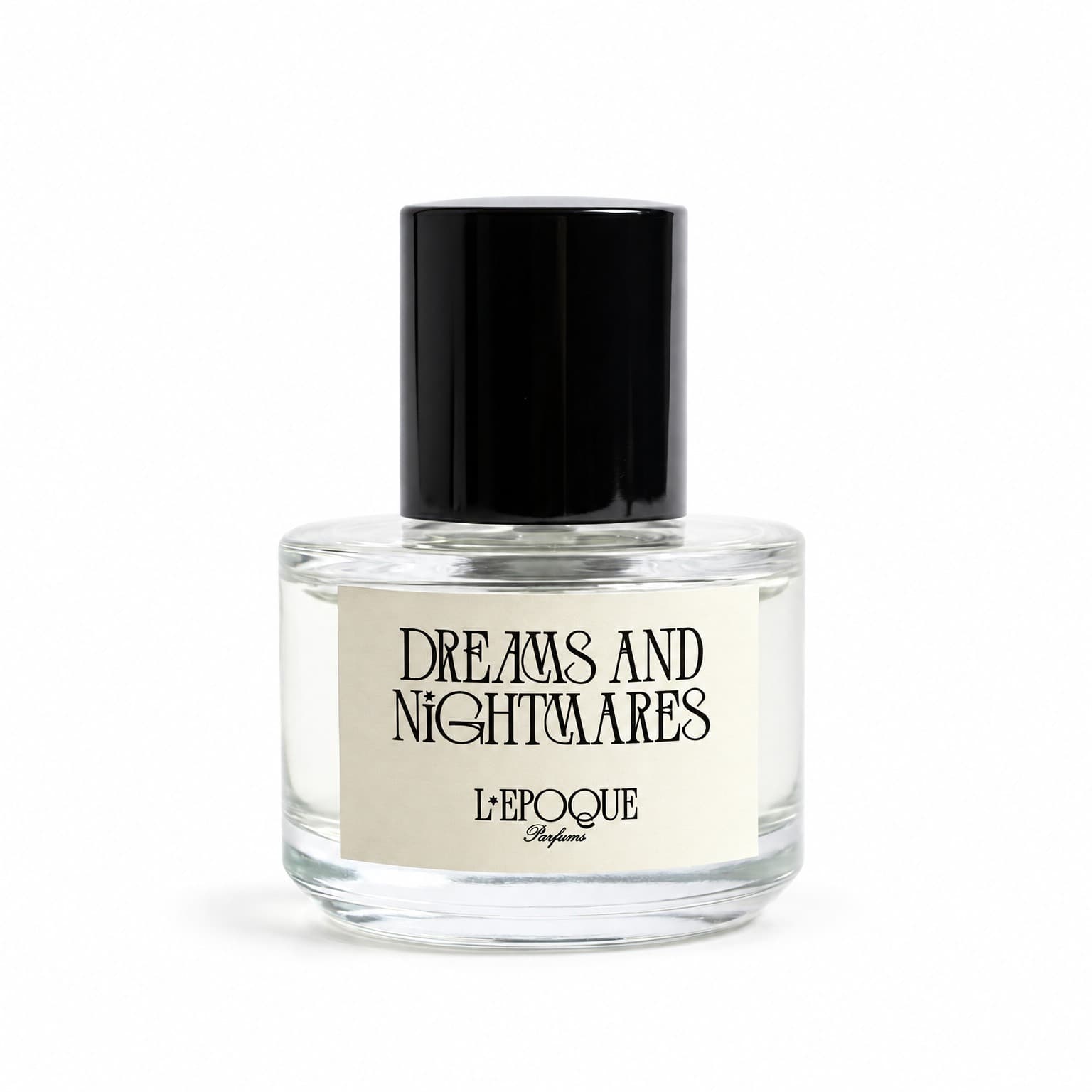
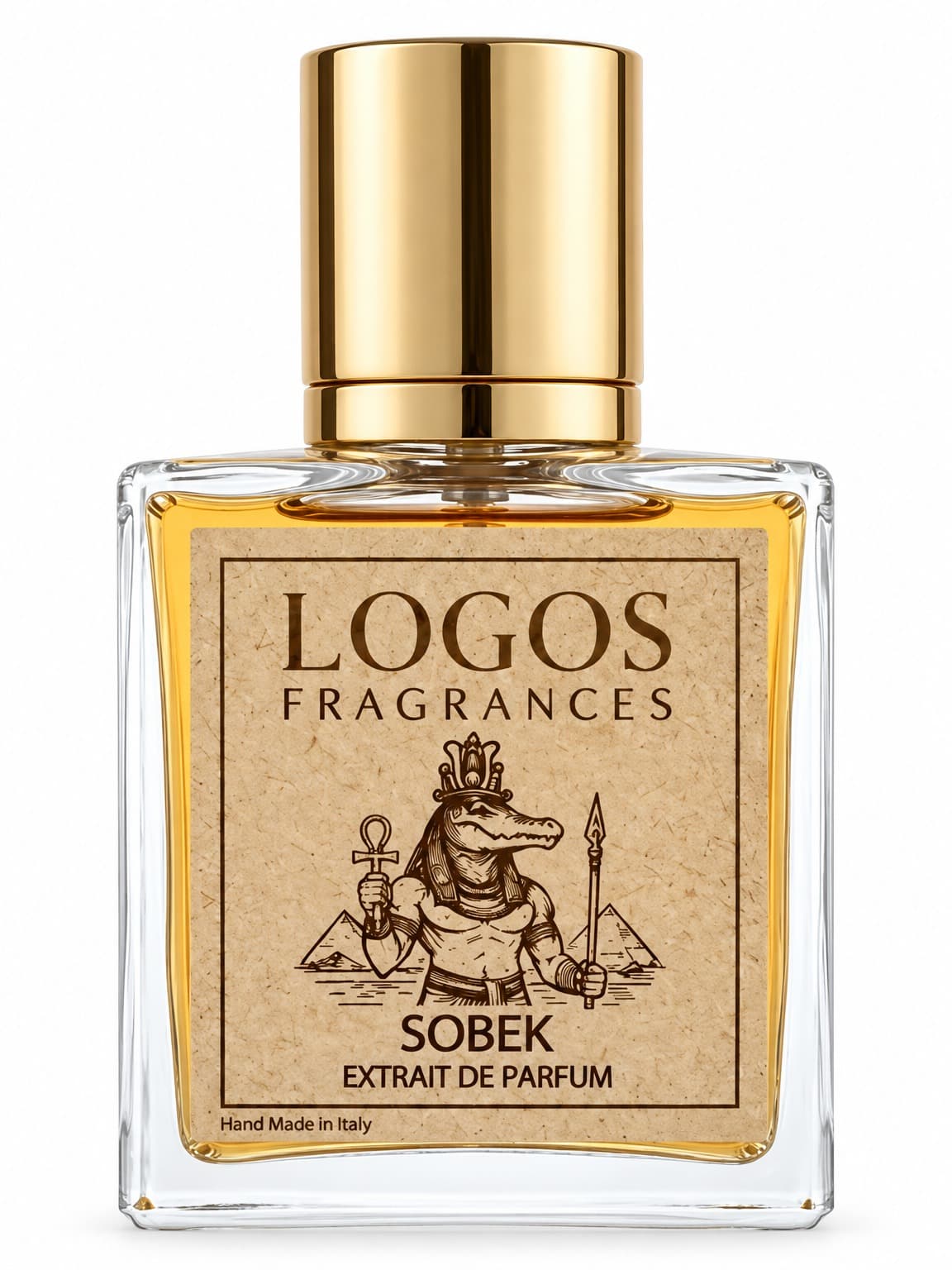
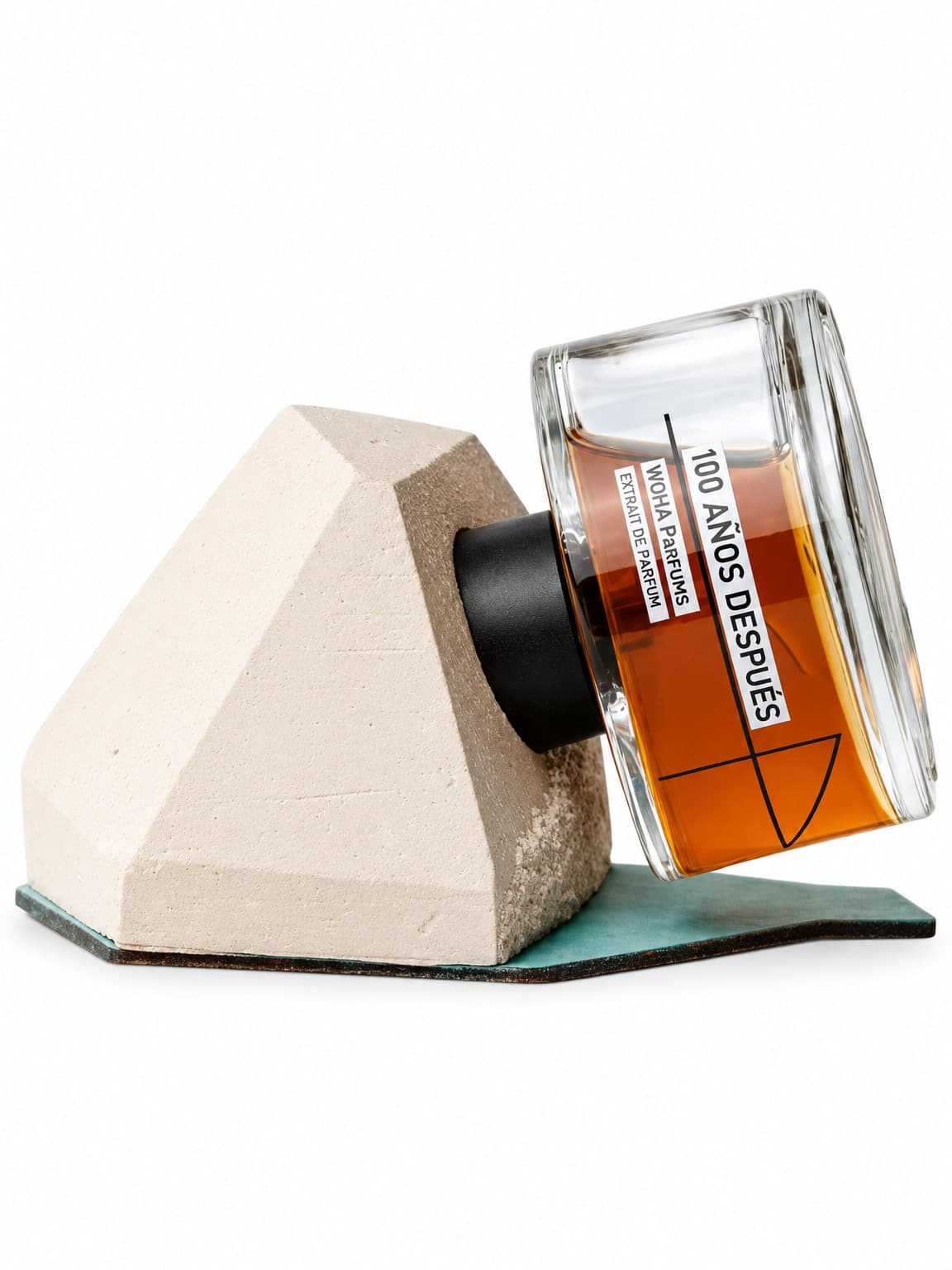
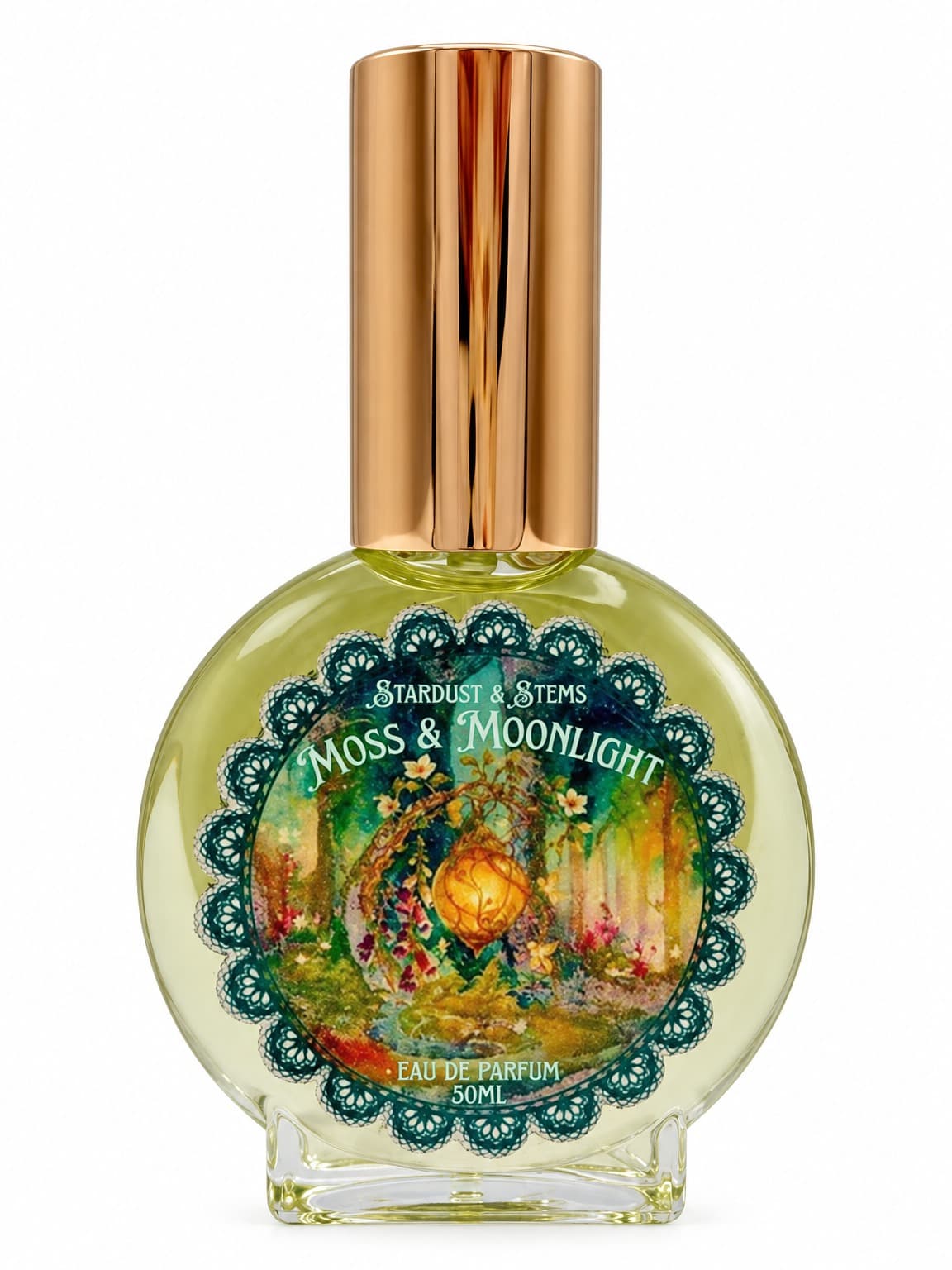
The note sits in the base of Méchant Loup by L’Artisan Parfumeur in 1997, signed by Bertrand Duchaufour, of Santorini Sunrise by Escada in 2023, and in 2026 of Moss & Moonlight by Stardust & Stems and 100 Años Después by Woha. Sobek by Logos carries it in the heart, Summer Cannibals by Dilettante in the top. See also the Moss note.
Perfumes with the Earthy notes note
Woody Citrus
 Oriental
 Woody
 Oriental
 Woody
 Fruity
 Marine