
 Chypre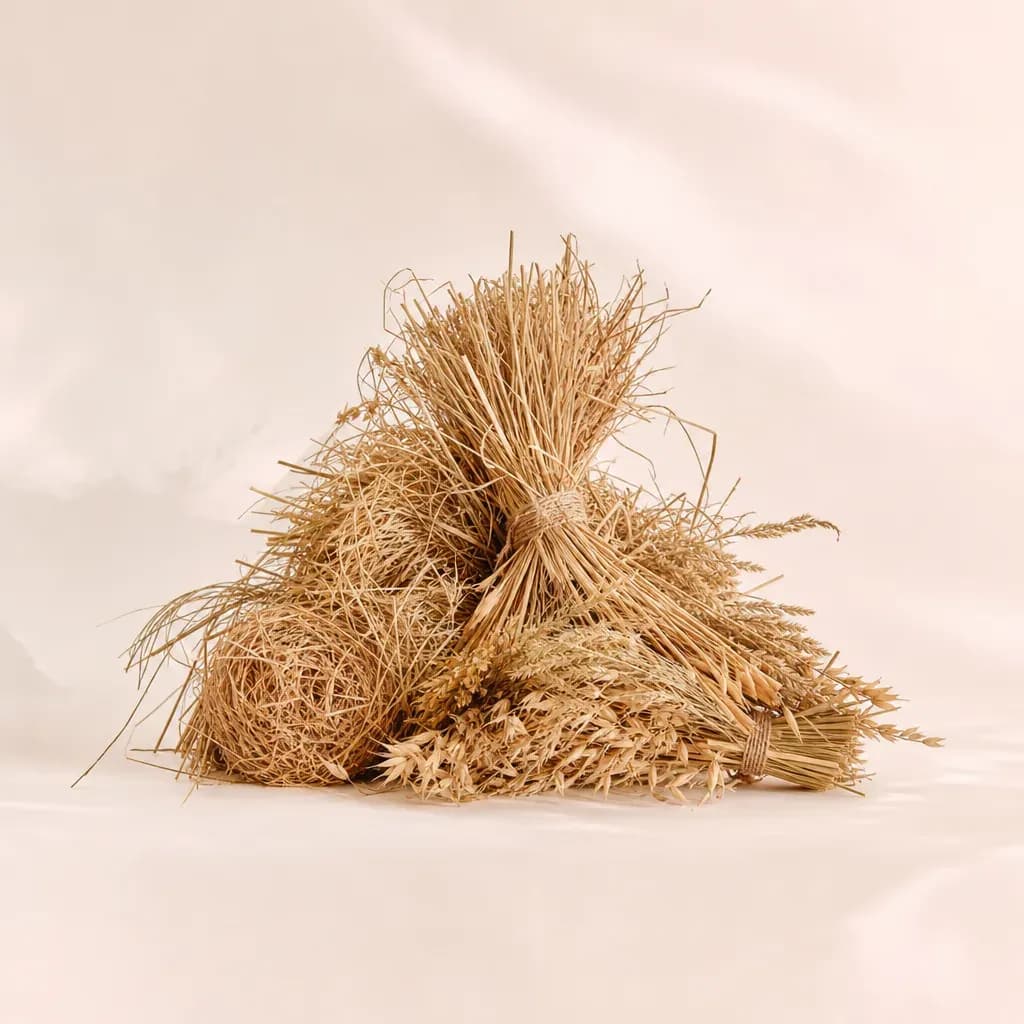
Hay
Hay: Masculine fragrances with the fresh air of wood and countryside! The turn of the millennium changed our priorities. We want air, natural materials, nothing processed or polluted, and our fragrances have quite naturally followed this fierce desire for true, pure and raw materials. Woody or citrus fragrances have seized upon nature to create their finest compositions, borrowing our bales of straw to make lovely hay notes… Yet the legendary Chanel had already tried, as early as 1927, to bring us back into the hay with a Russian air; it was only much later that worthy successors took over!
Hay absolute, the perfume’s happiness lies in the straw!
This might seem a bit strange to newcomers, yet hay is one of the finest raw materials in perfumery! Indeed, while we love exotic materials, precious woods or rare aromatics, a single bale of hay is enough to create deep, intense sillages in a great fragrance. And this without even needing to recreate the note with a synthetic molecule, which is rather rare…
Hay absolute is created from dried hay, ideally from several types of grasses, which is steam-distilled and then solvent-extracted to obtain its olfactory principles. The raw material is therefore relatively simple to obtain, of French origin, and thanks to blends of different grass varieties can offer multiple facets.
A touch of hay in your woody and citrus fragrances?
The very first fragrance to use the hay note as a base note is much older than the 2000s trend of a great return to natural materials… For it is the precious and now rare Cuir de Russie by Chanel. Cuir de Russie does not evoke the countryside but rather the beautiful Slavic country that the perfumer sought to recreate with a mixed woody-chypre composition featuring citrus notes at the top, followed by floral notes made intense by the animalic effluvia of hay, leather and cade in particular.
One had to wait until the 1970s to finally see the hay note again, in the famous citrus fragrance Eau de Courrèges by Courrèges. There too, the hay note is used as a base note, lending an exhalation to floral fragrances that is delicately tangy and spicy.
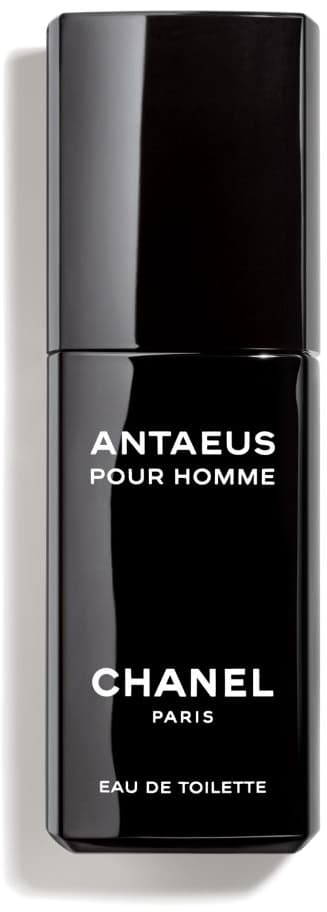
The hay note would later appear in numerous woody, citrus fragrances, mostly for men but also for women. Hay is very often found as a base note paired with the powerful sillages of oakmoss and vetiver, as seen in Patou pour homme by Jean Patou or Signoricci 2 by Nina Ricci.
The 2000s and their fragrant novelties would reveal the hay note in new pairings, such as with orientals and gourmand aromatics like Brin de Réglisse by Hermès. Florals, for their part, seem to have finally come to appreciate the hay note at its true worth in recent years, as proven by their ancestor from Caron, Farnesiana… Thus Loving Bouquet by Escada or indeed Hiris by Hermès adorn themselves with hay to better exhale fields of flowers!
Identity card
- Origin : Herbe
- Country : FR
- Part used : Herbes 1/2 sèches
- Type : Naturel
Perfumes with the Hay note
Chypre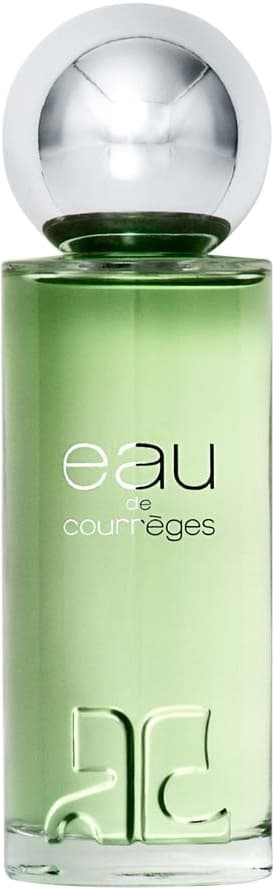 Citrus
 Citrus
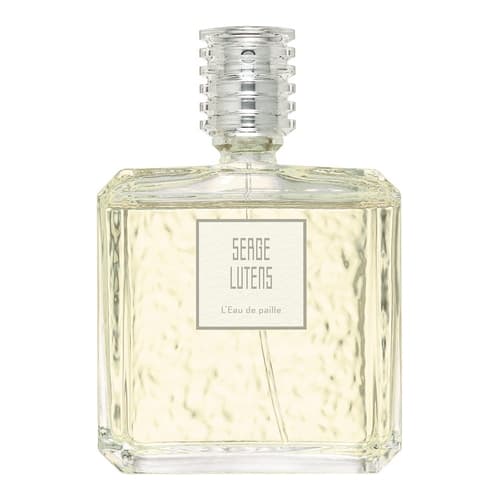 Aromatic
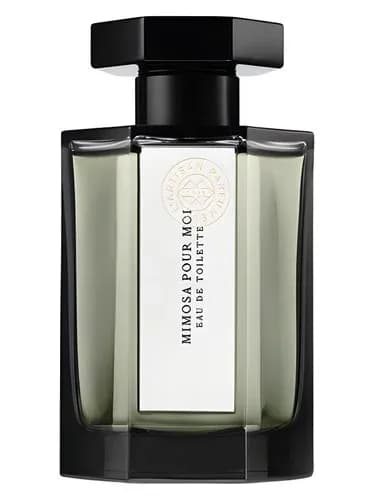 Floral