 Woody
Woody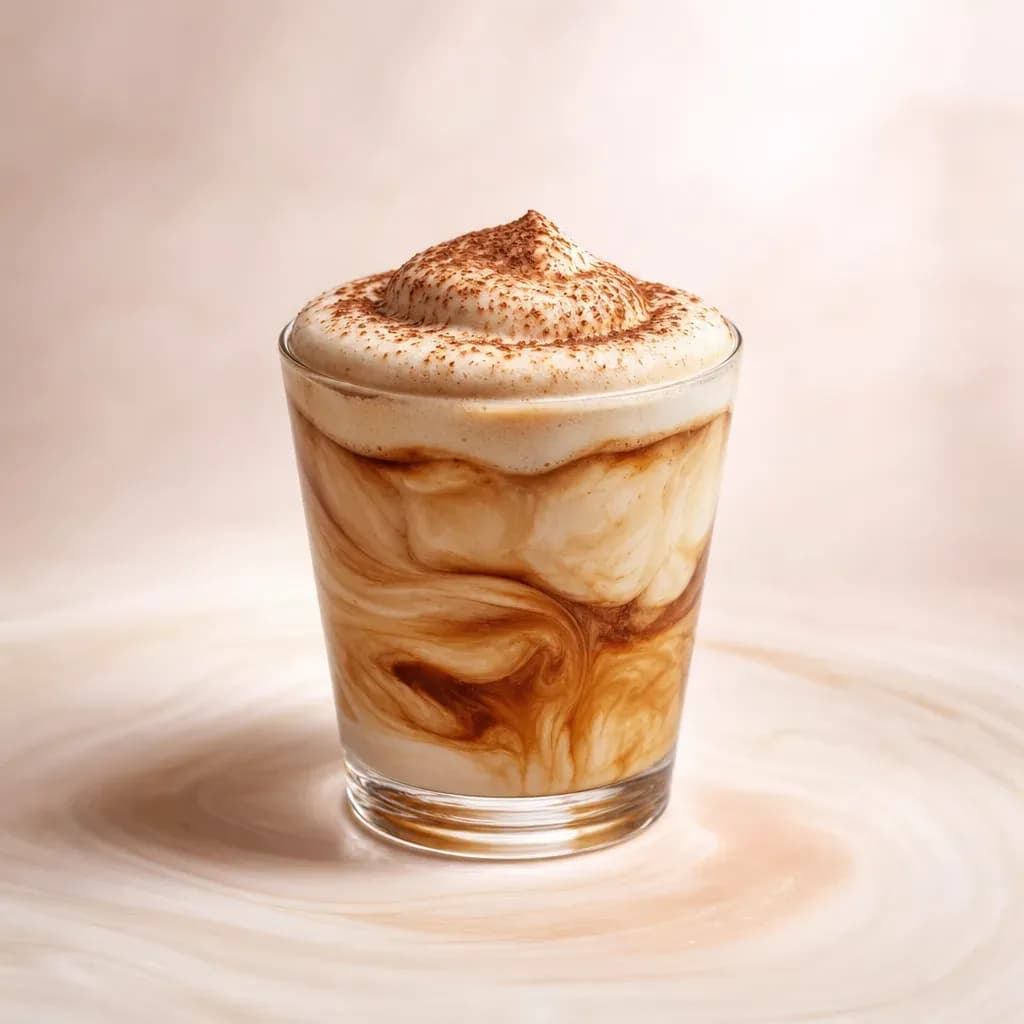
Cappuccino in perfumery
Perfumery has evolved considerably over the past few decades. Indeed, while it is an ancestral art, it once relied solely on natural ingredients, whose scent could be directly extracted to be incorporated into fragrances. Nowadays, science has made its way into the field of scent. Indeed, a whole range of odorous elements cannot actually be extracted to serve as a basis for fragrances. In such cases, their scent must be recreated in a laboratory, striving to come as close to it as possible. To do this, perfumers work hand in hand with flavorists. These new techniques have considerably expanded the range of possibilities and broadened the olfactory palette available to perfume creators. Now, the only limit imposed on them seems to be their imagination. This is precisely how the cappuccino accord came into being
Cappuccino, the famous coffee-based beverage
Cappuccino is today a very famous beverage. Originally, it was inspired by the Viennese coffee houses of 16th-century Austria. The existence of cappuccinos, however, is more contemporary and dates back to the postwar period, in the 1950s. More specifically, it is a preparation made from traditional coffee, topped with a creamy, sweetened milk foam. Today, the success of cappuccino is such that specialists even top their cups of coffee with an artistic effect and designs created directly in the milk foam. When made by a professional, cappuccino must be precise. It contains about 25 to 30 ml of espresso and 100 to 180 g of milk, at 5°, whipped into foam through the action of steam. For greater richness, whole milk, as creamy as desired, is often preferred. The result is a comforting beverage, possessing all the boldness of typically Italian espresso, combined with the extreme sweetness of a smooth, airy foam.
Cappuccino, a gourmand ingredient much appreciated by perfumers
Before the 1990s, it was almost inconceivable to imagine a fragrance whose scent evoked an edible ingredient. Yet Thierry Mugler revolutionized this trend by inventing the first gourmand fragrance in history: the iconic Angel. Since then, gourmand essences have become widespread and constitute one of the most appreciated olfactory families in the world. This phenomenon perfectly explains the rise of the cappuccino accord in fragrances. Moreover, cappuccino is an excellent raw material for playing within a gourmand, creamy register, without falling into an overload of sweetness. It is creamy and rounded, yet still full of character. It preserves within it the slight bitterness of coffee and thus unfolds a very nuanced flavor, rich in depth.
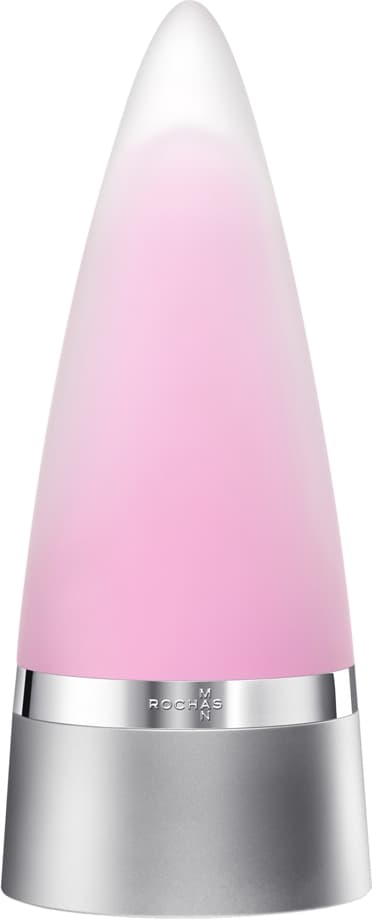
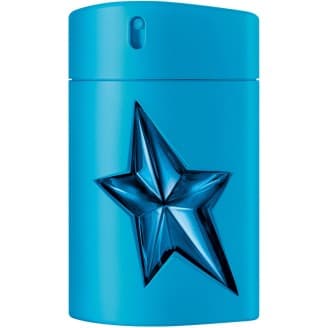
Today, many perfumers enjoy working with this odorous accord and incorporating cappuccino into their compositions. Among the most famous creations that contain it, cappuccino is present in Rochas Man by Rochas and A*Men Ultimate by Thierry Mugler.
Perfumes with the Cappuccino note
WoodyWoody
 Oriental