
 Citrus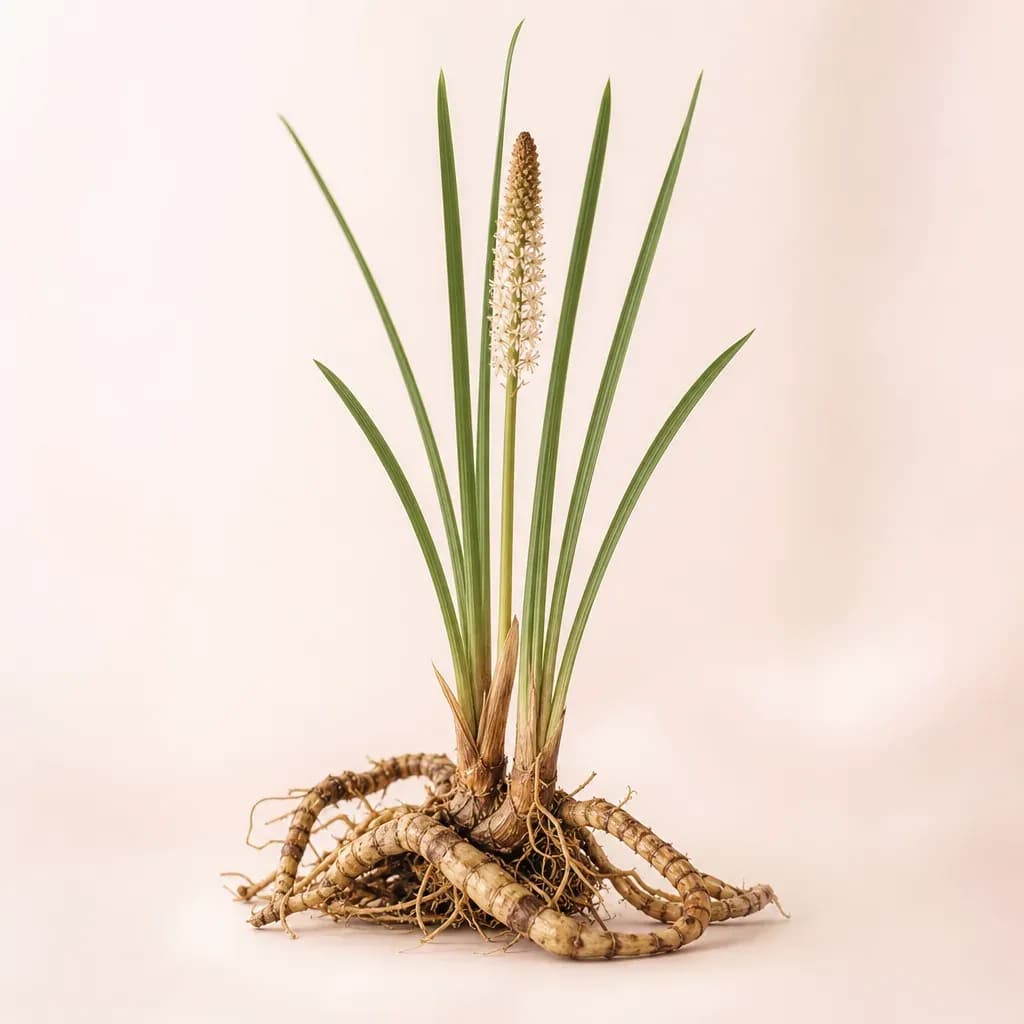
Calamus
Perfumery has very distant origins, whose beginnings most often come to us from Ancient Egypt. As such, even though progress in this field has been constant and this sector has developed considerably today, ancestral ingredients are still incorporated into fragrances. Calamus is one of these, enhancing fragrances while charging them with a fresh, aquatic note.
Calamus, an aquatic plant several millennia old
Calamus is a type of reed belonging to the Arecaceae family, as the palm tree does. Its name comes from the Greek “calamos”, meaning “reed”. This refers to its thin stems, almost similar to those of the reed. Calamus is found mainly in Southeast Asia, and more particularly in the forests of western Malaysia. In the vast majority of cases, it is a climbing palm that quickly becomes vine-like. The diameter of its stems is highly variable, ranging from a few millimeters to more than 10 cm. Likewise, its length can range from a few centimeters to more than 200 m. Its leaves are pinnate, thorny, or armed with hooks. This plant has, in fact, been known for millennia and is among the ingredients of perfumed preparations from ancient Mesopotamia. It was notably used to prepare the famous Egyptian kyphi.
The often unrecognized scent of calamus
The essential oil of calamus can be extracted by steam distillation of its rhizomes but also, more rarely, of its foliage. However, it should be noted that the composition of this oil can vary considerably depending on the origin of the calamus used. Thus, some calamus is characterized by a significant proportion of beta-asarone, while others contain more methyl isoeugenol, becoming spicier as a result. Although calamus is an almost biblical raw material, it is in fact very rarely used today. Indeed, its olfactory profile is fairly ambiguous and not always easy to pair with other scents. In other words, calamus is an unclassifiable ingredient in the perfumer's palette. It is so rich that it alone contains multiple scented facets, being at once spicy, aromatic, herbaceous, green, sweet and leathery. Moreover, calamus is woven through with contradictions. Indeed, it gives off an almost creamy breath, even though it has nothing edible about it.
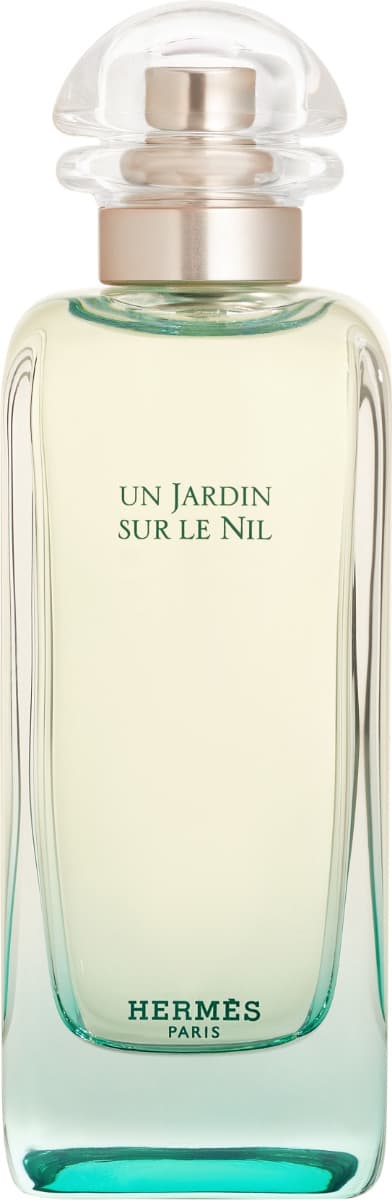
Today, few fragrances dare to use this material. Nevertheless, calamus is present in Eau Duelle by Diptyque, Un Jardin sur le Nil by Hermès, and Acteur by Azzaro. Only the house Comme des Garçons has dared to create a juice entirely dedicated to it. It is called Calamus and was launched in 2000.
Identity card
- Latin name : Acorus Calamus
- Origin : Roseau
- Country : IN
- Part used : Rhizomes
- Type : Naturel
Perfumes with the Calamus note
Citrus