
The 21st Century
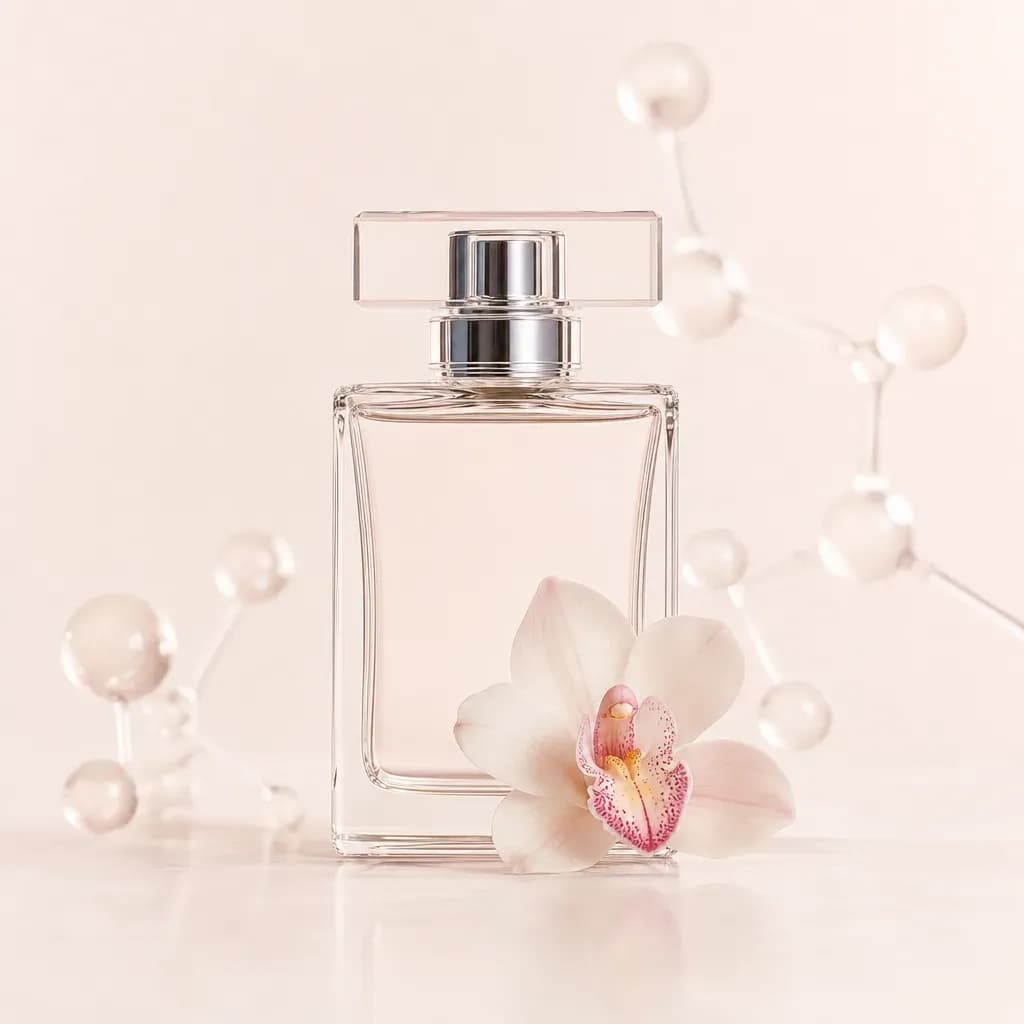
The 21st century, our contemporary perfumery
At the beginning of the 21st century, many couture houses established themselves as leaders in perfumery. Likewise, they share the market with major jewelers. A desire to return to traditional values then began to emerge, marking a shift in perfumery and the transition to a new era.
The return to authentic values
Many brands display a desire to turn once again toward authentic values. Thus, the great classics of perfumery make their comeback and are modernized. Likewise, on the feminine side, new chypres emerge, taking up classic codes while enriching them with new, fruity and floral notes. As an example, Coco Mademoiselle, Miss Dior Chérie and For Her by Narciso Rodriguez stand out as excellent examples. Similarly, L'Instant by Guerlain proves to be a perfect illustration of this trend.
The emergence of gourmand fragrances
Furthermore, while Angel by Thierry Mugler, born in 1992, is considered the first gourmand fragrance in the history of feminine perfumery, it also paved the way for numerous variations. As it happens, the early 2000s saw the emergence of many highly appetizing fragrances. Women constantly display their addiction to sweetness, notably through fragrances such as Dior Addict, Amor Amor, Flowerbomb, Alien, Nina and Very Irresistible.
New masculine trends
On the men's side, preferences turn more particularly toward fresh and aromatic fragrances. These are aimed more specifically at dynamic, athletic men. Moreover, oriental fragrances make men more sensual than ever, and the carnal side of men is brought to the forefront. Floral accords also make their way into this perfumery, and olfactory genres now seem less compartmentalized.
Niche fragrances
Finally, the beginning of the 21st century is also marked by the emergence of niche fragrances. Seasoned fragrance consumers are eager to display their uniqueness and no longer want overly commercial fragrances. Likewise, perfumers become true stars and create their own houses. They craft fragrances further removed from marketing codes and with a less traditional aesthetic. Moreover, in order to satisfy consumers' ever more innovative desires, limited or seasonal editions continue to multiply.
Numerous technological advances and the discovery of many innovative scents now allow perfumers to create ever more surprising and harmonious compositions, the only limit of which seems to be imagination itself. Thus, perfumery is now considered one of the most creative arts there is, and every new release offers consumers a true experimentation.