
Le XXème Siècle
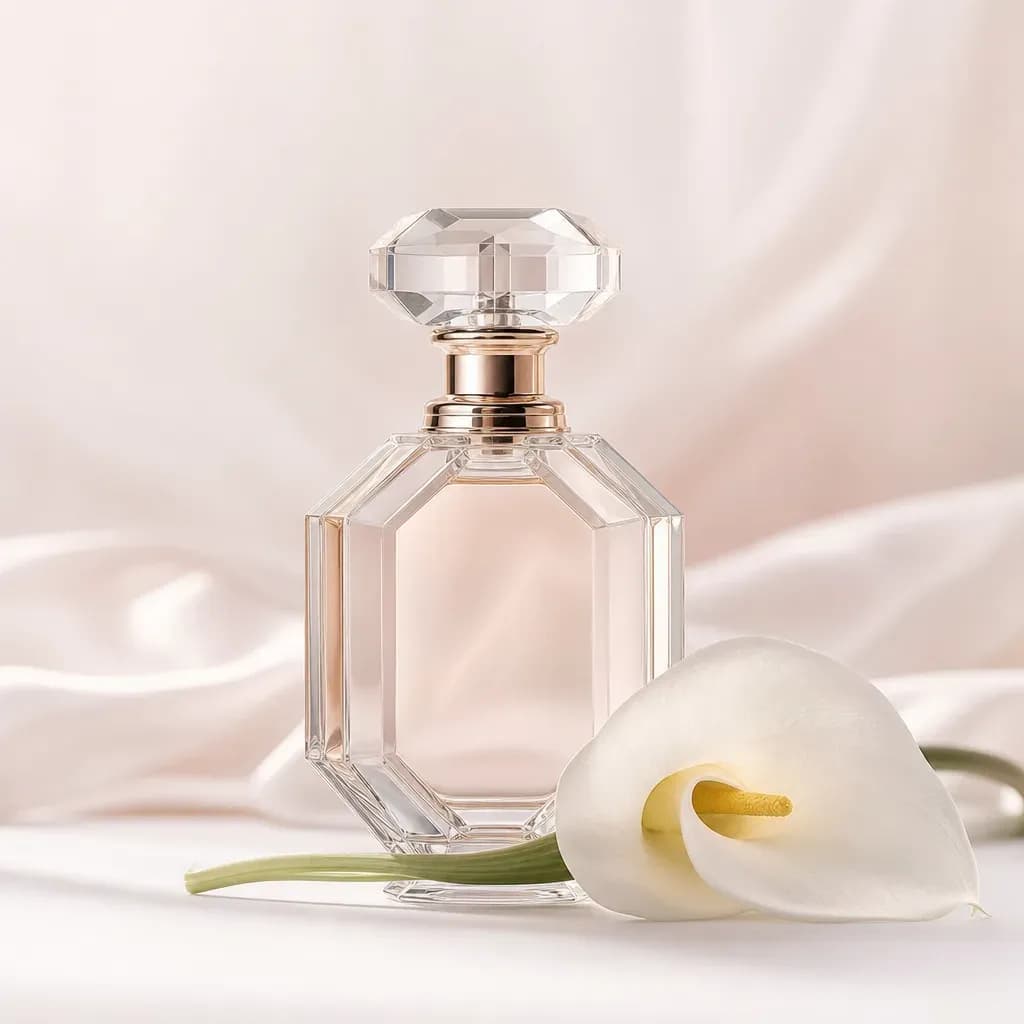
Le XXème Siècle, the advent of modern perfumery
The early 20th century is deeply marked by the association of perfumery and fashion, a union of two worlds whose beginnings date back to the perfume Rosine created by the couturier Paul Poiret. More than ever, perfume becomes a flagship product of the world of luxury. Novel olfactory compositions emerge under the hands of François Coty and René Lalique, combining natural raw materials with synthetic molecules. It is also at this moment that Coty launches the perfume Chypre, an innovative juice that paves the way for many other essences of the same type. Nevertheless, the first world conflict marks a pause in this creative momentum, which will not resume until the 20s.
The perfumery of the Roaring Twenties
The 20s see the growing influence of fashion on perfumery emerge. Chanel notably stands as a master in this field, gradually imposing the look of a more liberated, boyish woman. Aldehydes are used for the first time in large quantities in fragrances, and true legends emerge, such as Chanel N°5, Shalimar or Arpèges.
The influence of Hollywood cinema
From the 30s onward, perfume asserts itself as one of the most glamorous products. It is, in fact, highly favored by Hollywood stars. As such, it clearly draws inspiration from this luxurious world, revealing floral, highly feminine and opulent perfumes such as L'Air du Temps by Nina Ricci, Femme by Rochas or Miss Dior.
The birth of masculine fragrances
The 50s prove to be revolutionary. Indeed, this marks the beginning of perfumery for men. Men now wear fragrances such as L'Eau d'Hermès, Monsieur de Givenchy or Pour Monsieur by Guerlain. On the other hand, few feminine perfumes from this decade have managed to survive time to still be present on our shelves today.
The hippie years
The 70s are marked by the hippie movement. As such, aldehydic florals are particularly in vogue. Green and chypre fragrances are also highly appreciated. Similarly, patchouli stands as a reference, and Réminiscence clearly rides this trend, making its perfume Patchouli the symbol of an entire generation. Likewise, advertising takes on an increasingly important place in the world of perfumery, and more and more creators play on the movements of their era, such as neo-romanticism or feminism. Men, for their part, increasingly separate their fragrance from the shaving ritual and turn toward more virile juices such as Azzaro pour Homme, Yves Saint-Laurent pour Homme or Paco Rabanne pour Homme.
The opulence of the 80s
The 80s, for their part, are heavily marked by the cult of the body. Perfumes reflect this image and become increasingly strong and exuberant. Feminine and masculine genres are, so to speak, heightened, and the trend for women is clearly turned toward oriental, spicy and sensual fragrances. Dior then makes a major move and creates Poison, undoubtedly one of the best-selling perfumes of the last century. Masculine juices, on the other hand, prove to be fresher, more complex and more energizing. They are more concretely aimed at athletes.
The return to basics of the 90s
Nevertheless, this trend gradually loses steam, and the 90s even take a completely opposite stance by embracing a quest for authenticity and simplicity. It is at this moment that the first unisex perfumes such as CK One appear. Women favor floral, spontaneous and innocent juices. Vanilla also makes a strong comeback. Finally, men opt for more sobriety, favoring clean, fresh and sanitized juices.
This is how the 20th century comes to a close, preparing the entry of perfumery into a new millennium...