
La Renaissance
The Renaissance, an era of great olfactory discoveries
While perfumery is an art that has continued to develop since its appearance in Ancient Egypt, the Renaissance stands out as a particularly significant historical period for this field. Indeed, it is synonymous with numerous discoveries, both in terms of techniques and new scents.
The role of perfumes in the Renaissance era
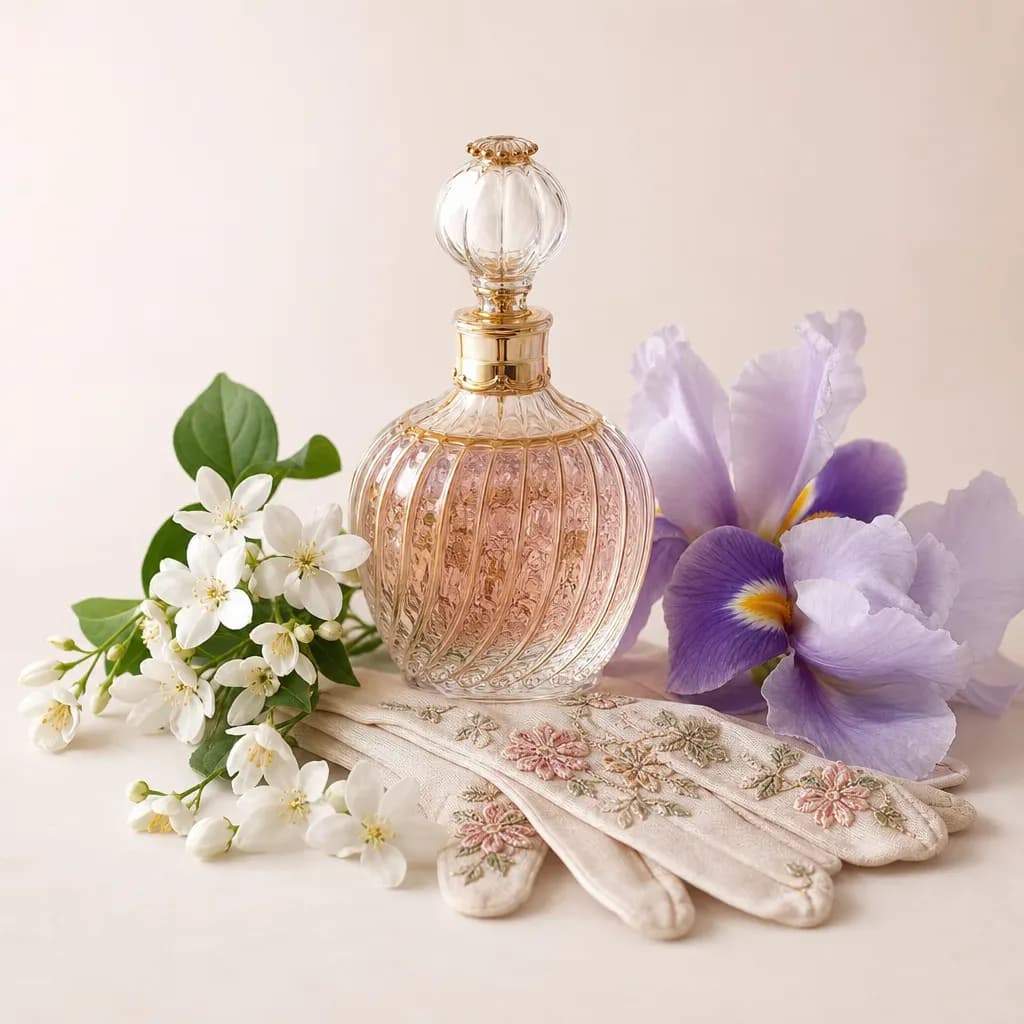
The Renaissance was an era during which people washed little. Indeed, a certain dread developed regarding baths, and people believed that water was a factor of contagion. Thus, perfumes were mainly used to mask unpleasant body odors. As such, these were highly fragrant, heady fragrances. Moreover, physicians of the time considered that odorous materials, whether vegetable or animal, were excellent remedies. Thus, Ambroise Paré designed bathtubs specially dedicated to healing, called plant cauldrons. In order to mask odors, perfumes contained ingredients such as amber, musk, jasmine or tuberose. Perfume was present everywhere: on the body, on furniture, on everyday objects, on clothing, on accessories and even on animals. It was at this time, moreover, that the profession of perfumed glove-maker emerged in France, gradually replacing apothecaries. Thus, the finest leathers from Sicily, Sardinia and Spain were tanned to make gloves before being delicately perfumed.
The many discoveries serving perfumery
It was during the Renaissance that the printing press was invented. Thus, numerous technical works gathered recipes for scented waters used for perfuming oneself. These new books helped spread knowledge of perfumery to as many people as possible, provided they knew how to read. Likewise, it was during this era that animal materials entered perfume compositions. They were highly valued for their captivating and aphrodisiac power. Ever eager for new scents, scientists embarked on ambitious research, gradually replacing alchemy with chemistry and improving distillation to offer higher-quality essences. Moreover, the Renaissance was also the era of great geographical discoveries. This was the time of Christopher Columbus and Vasco da Gama, immense explorers who brought back spices from the New World and the Indies from their journeys. Thus, the West discovered vanilla, cocoa, tobacco, cinnamon, ginger, pepper and benzoin. At that time, the great perfumers were mainly Spanish or Italian. They also benefited from the scientific expertise of their neighboring Arab peoples and gradually extended their aromatic waters to France. Furthermore, Catherine de Medici greatly contributed to this exchange when she married Henri II, bringing with her her Italian perfumer, René le Florentin.
Although the Renaissance is considered an era synonymous with the reign of perfumed filth, it is also a symbol of numerous discoveries. Thus, the Renaissance appears to be the mother of our modern perfumery, and it was even at the end of this era that Grasse became the capital of perfume, more precisely at the end of the 15th century.