
 Woody
Le Labo
Le Labo was founded in New York in 2006 by Fabrice Penot and Eddie Roschi, two L’Oréal alumni, under the motto born in Grasse, raised in New York. Each perfume bears the name of its dominant raw material and the number of materials in its formula, and is compounded in store at the time of purchase. Estée Lauder acquired the house in 2014.
Le Labo perfumes
Woody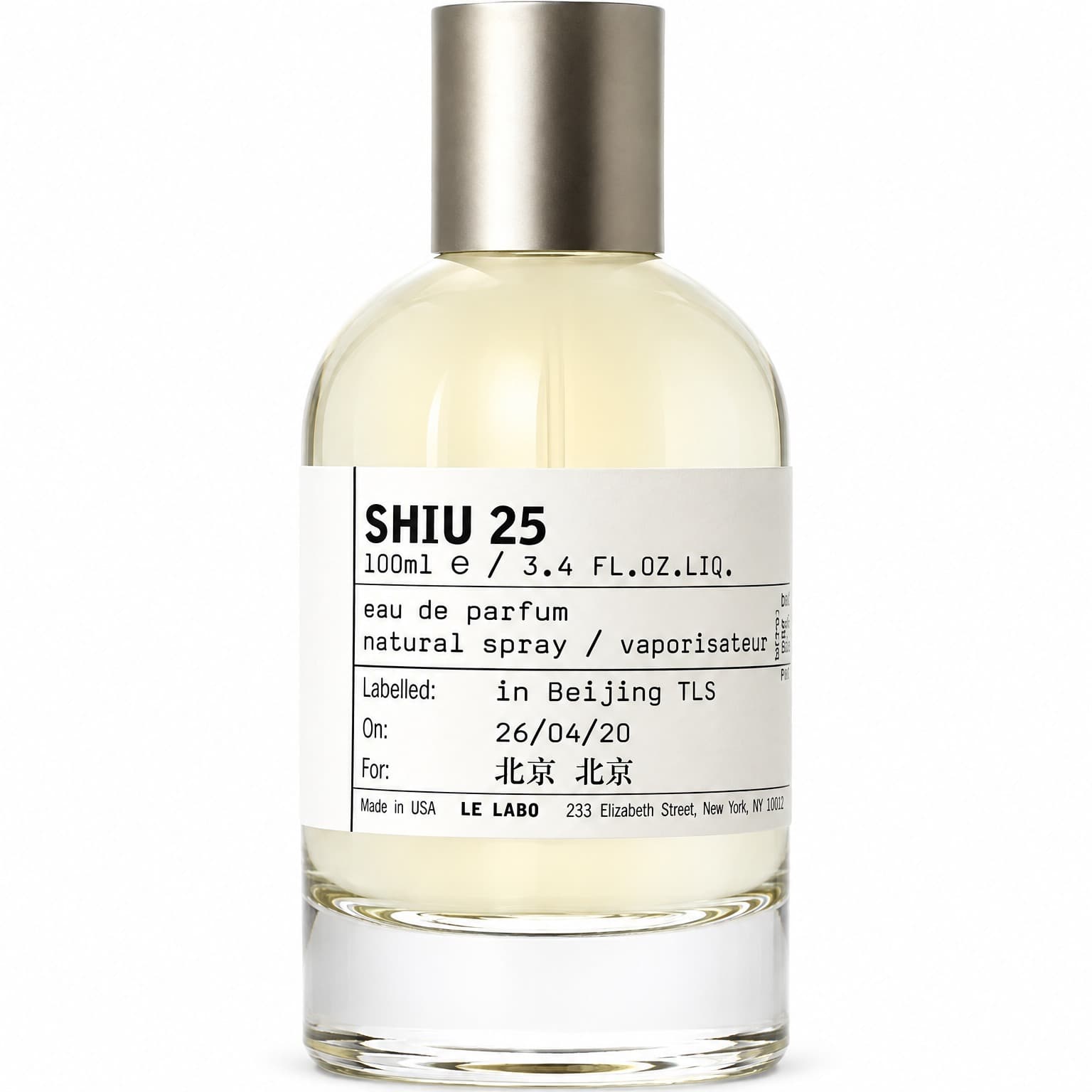 Woody
 Oriental
 Woody
 Floral
A laboratory at 233 Elizabeth Street
Fabrice Penot and Eddie Roschi opened the first store in NoLIta, in lower Manhattan, in 2006. The two founders came from L’Oréal and built the brand without an investor or advertising. Ten perfumes made up the original collection, alongside a candle.
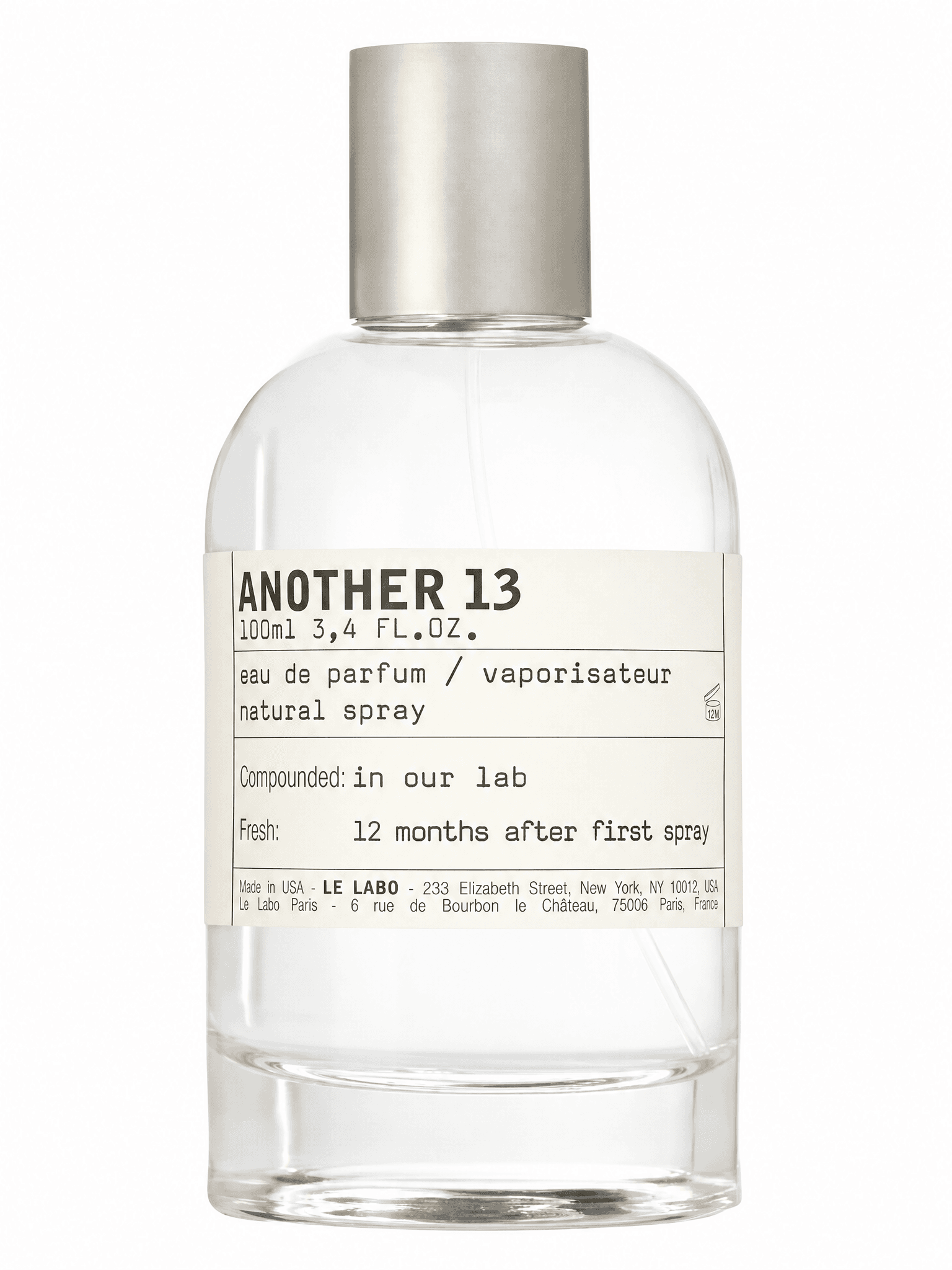
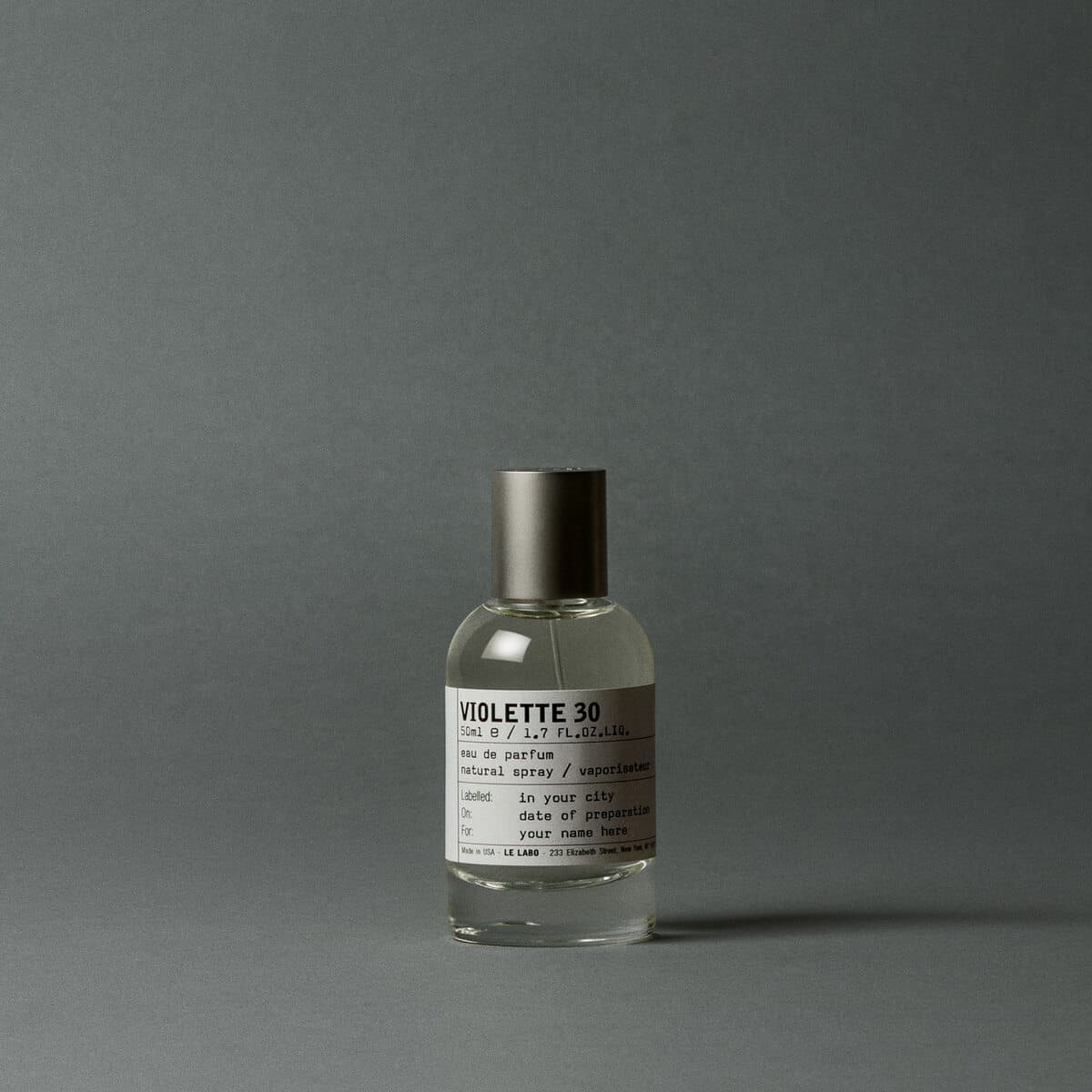
The naming rule has remained: the name states the dominant raw material, the number the count of materials in the formula. Rose 31, Bergamote 22, Patchouli 24. Each bottle is assembled in front of the buyer and its label printed with their name.
Santal 33, a candle turned perfume
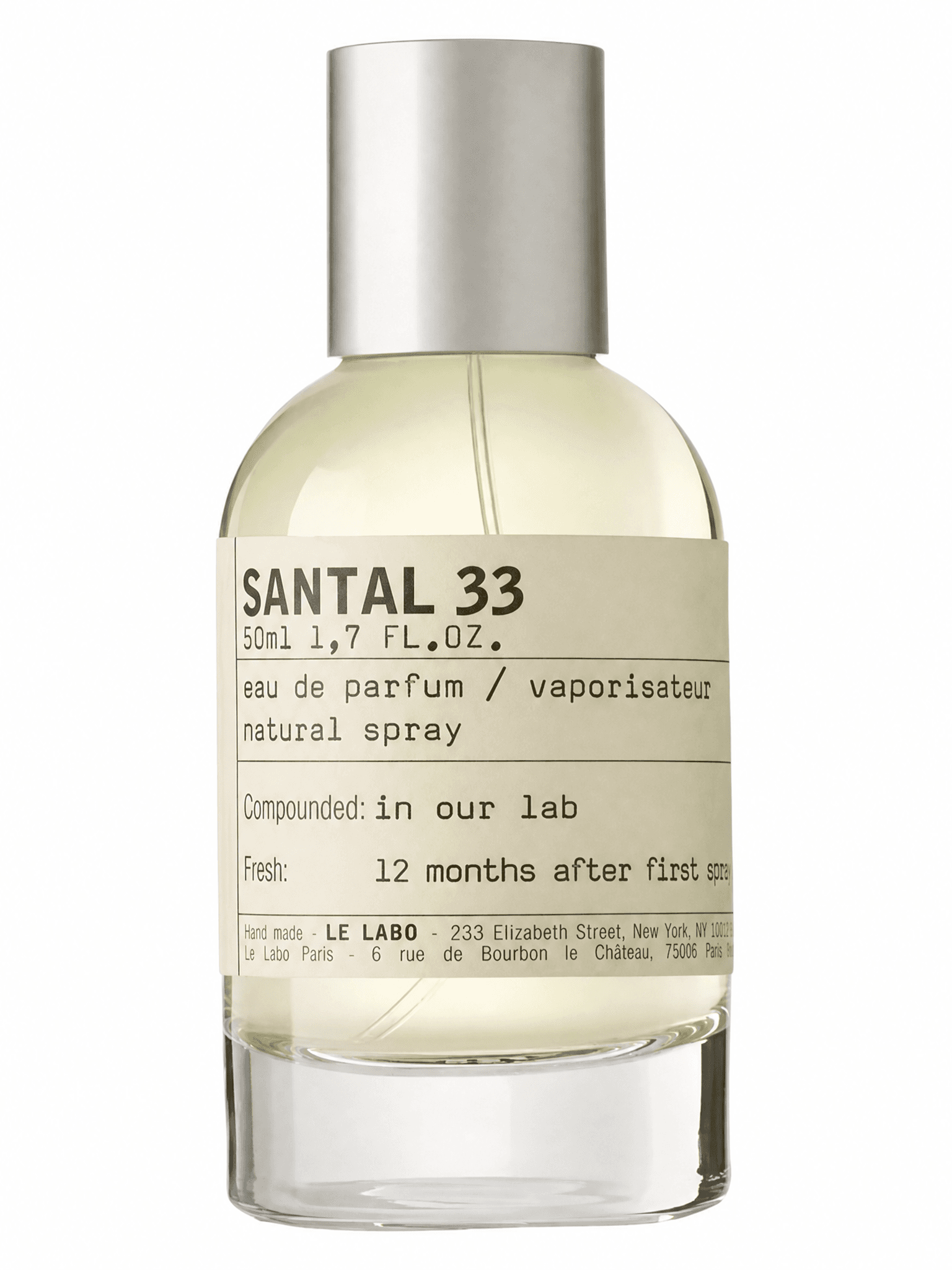
Frank Voelkl had proposed a sandalwood for the 2006 collection; the founders set it aside and asked him to turn it into a candle, Santal 26, which initially sold so poorly that they gave the stock away to a New York hotel. The hotel’s guests began asking for it.
Voelkl reworked the formula for the body and Santal 33 launched in 2011. The perfume changed the house’s trajectory to the point that its name ended up standing for the entire brand, an outcome about which Fabrice Penot has publicly voiced his ambivalence.
City Exclusives and the acquisition by Estée Lauder
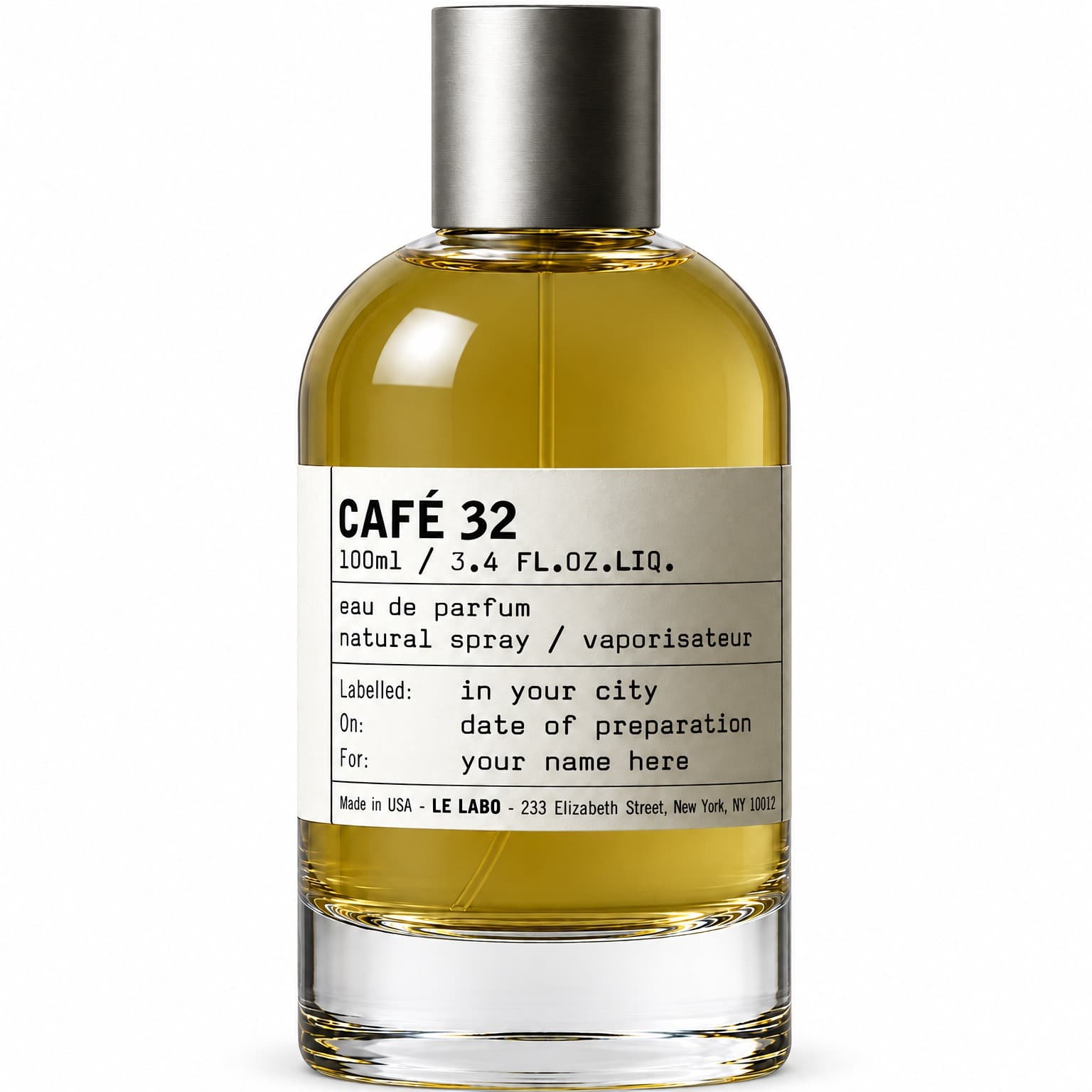
Tubéreuse 40 for New York and Aldehyde 44 for Dallas opened the City Exclusive collection in 2006, followed by Vanille 44 for Paris in 2007. Each juice is sold only in its city, except during an annual event that makes them available elsewhere for a few weeks.
Estée Lauder acquired Le Labo in 2014 and placed it alongside Jo Malone and Tom Ford in its portfolio of rare brands. The two founders retained creative control after the deal, and the house has kept both its in-store compounding and its refusal of conventional advertising.