
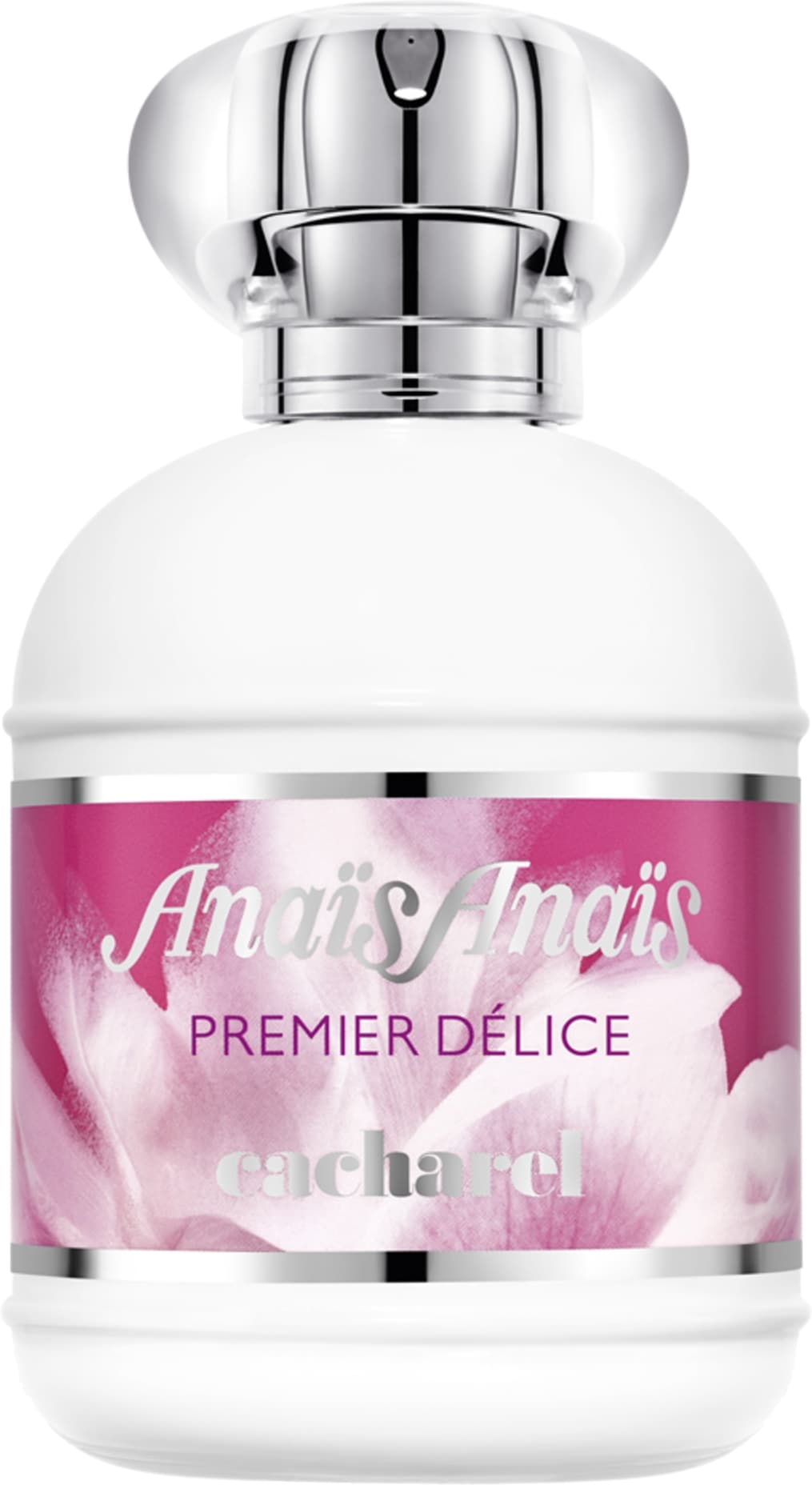
 Floral
Cacharel
The fashion house Cacharel was created in 1962 by Jean Bousquet. Intended as a determined alternative to haute couture, Cacharel offered soft ready-to-wear clothing where the liberty flower reigned for years. A true symbol of romanticism, when Cacharel ventured into perfumery it was to create a light floral fragrance that would go hand in hand with the delicate flowers of its liberty print. With Anaïs Anaïs, a legendary perfume for sweet and romantic young girls, Cacharel entered their lives to create fragrances suited to their desires...
Cacharel perfumes
Floral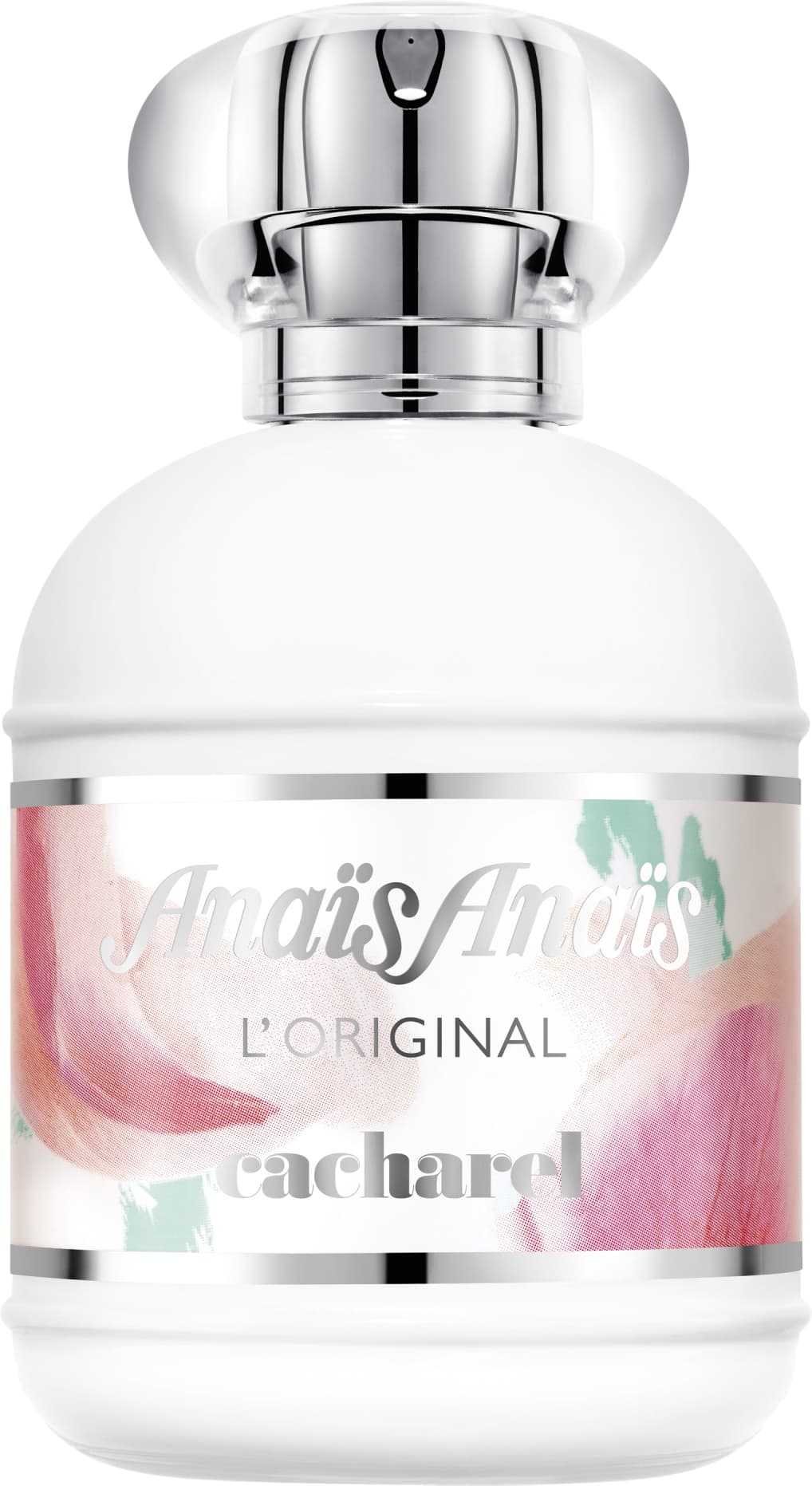 Floral
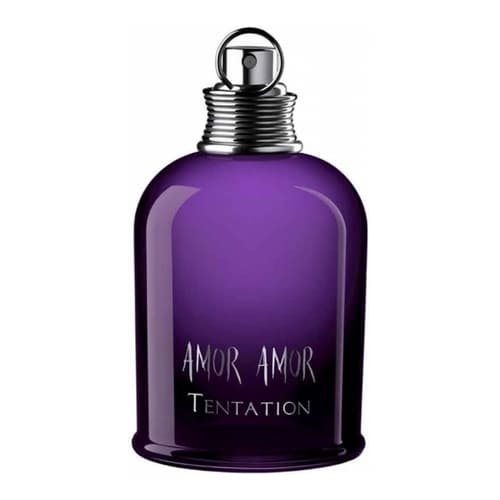 Oriental
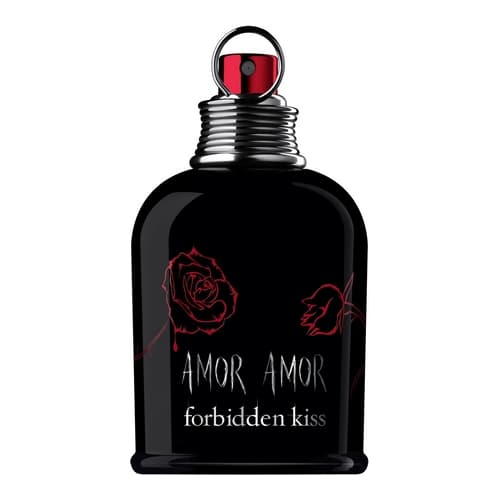 Floral
 Floral
The famous liberty-print house sweeps young girls into a romantic whirlwind
Synonymous with the romantic daydreams of young girls, the Cacharel brand marked the 1970s and 1980s with its presence, flooding the young women’s market with pretty liberty prints. A true signature of the brand, the liberty print, which became a fashion essential, was behind an equally essential perfume: Anaïs Anaïs.
At the time of the release of this pretty floral-green perfume, young girls hardly felt concerned by perfumery, as the fragrances on offer did not match their tastes. Yet Cacharel was particularly attached to this young female audience, so it was only logical that the house’s very first fragrance would be dedicated to them.
Anaïs Anaïs, released in 1978, was not a great commercial success at first; it was over the years that it became a perfumery bestseller, being the first juice aimed at young women in search of a femininity that was both innocent and sensual. With its fragrance of white, powdery floral notes topped with powerful woody accents, in an opaline bottle, all the ingredients came together to overturn the codes of the genre. Anaïs Anaïs won over the hearts of young women hands down while opening a breach in a market that had until then been inaccessible.
From Anaïs Anaïs to Amor Amor, the Cacharel girl becomes a woman
Buoyed by the tremendous success of Anaïs Anaïs, the Cacharel brand continued its fine ascent in the world of perfumery by releasing, in 1987, the idol of the young, Loulou.
Indeed, the young woman of Anaïs Anaïs had grown up and now sought as much to seduce as to surprise, so she was offered a mysterious and surprising perfume, the beautiful Loulou, a powdery floral juice with pronounced oriental accents, like a blend of purity and sensuality. Loulou also became the icon of a scented generation who kept repeating Loulou, c’est moi.
In 1994, the Cacharel girl became, this time fully and unapologetically, utterly glamorous and utterly seductive thanks to the floral-fruity Eden, which offered a delicate blend of warm, sensual flowers (such as ylang-ylang or orange blossom) paired with sparkling mandarin notes and sharp green notes.
In 1998, Cacharel offered a soft perfume of purity and serenity under the evocative name Noa. Like the pearly nacre of its bottle, Noa settled on the necks of young women in search of floral bouquets with intoxicating sweetness... Once again, a new success!
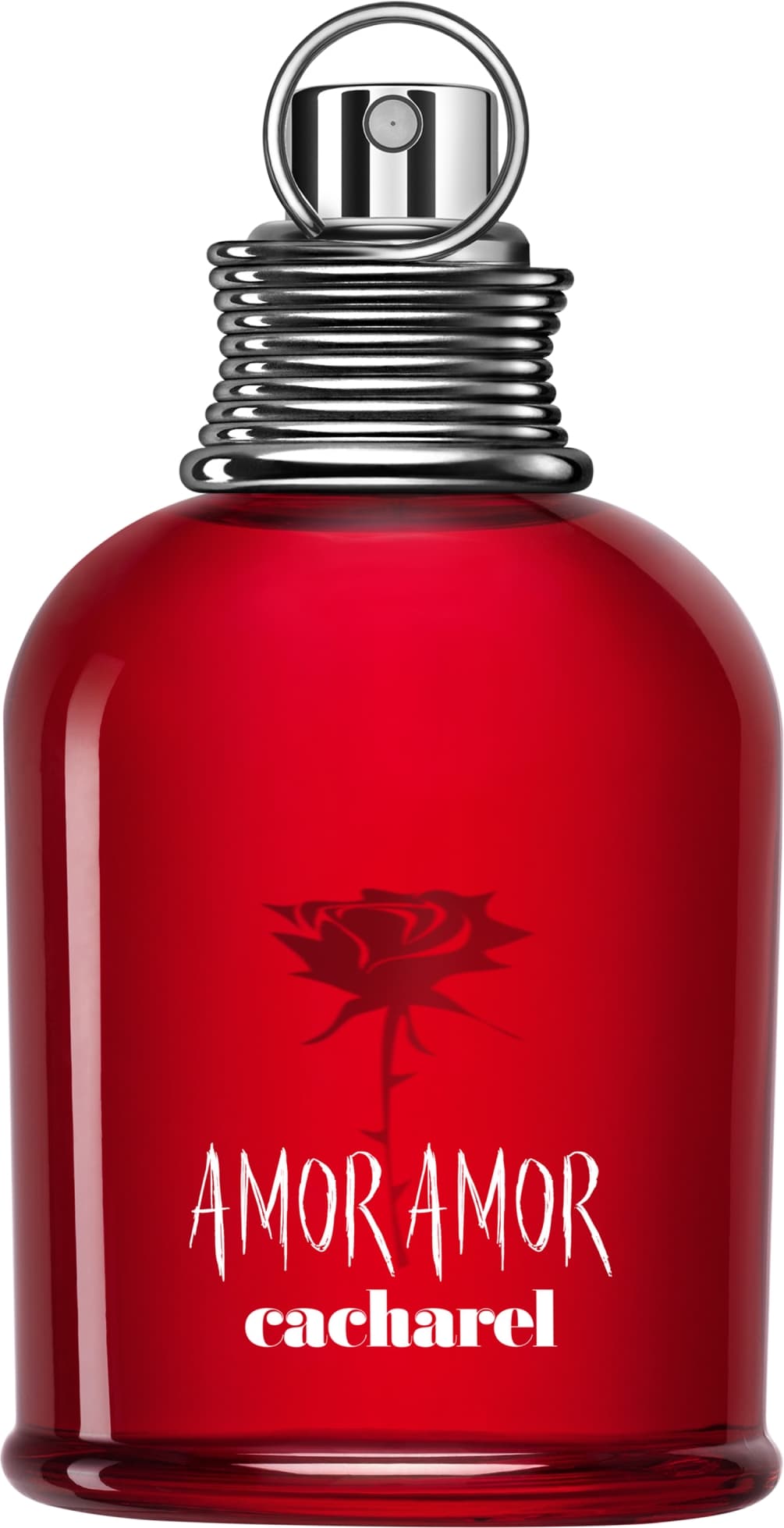
Then, with the new millennium, came the time of the Parfum de l'amour, or Amor Amor, a precious and sparkling amber fruity fragrance meant for passionate and slightly gourmand young women. Once again, Cacharel put its stamp on a perfume that would remain, for another decade, a classic released in multiple versions.
One thing is certain: Cacharel has the incredible talent of embedding its clothing and its fragrances in the spirit of the times. By offering surprising fragrances that are always slightly ahead of trends, Cacharel has, for several decades, signed great perfumes that become great classics. So it is reasonable to think that the house’s latest creation, released in 2012, Catch Me, will win over a wide female audience with its contrasts between tender floral-fruity notes and sensual, glamorous notes.