
 Citrus
Children's perfumes
Children's perfumes, a novelty appreciated by parents and children alike
When speaking of perfumery, the most common associations are with perfumes for women and fragrances for men. Yet these are not the only ones entitled to innovative scents. Indeed, children now have their own perfumes. Although this is a fairly recent concept, many have adopted it. Thus, the youngest are introduced to the world of scents from an early age, delighting those around them in the process. Moreover, rest assured, the art of perfume for babies is guaranteed to be entirely risk-free.
Citrus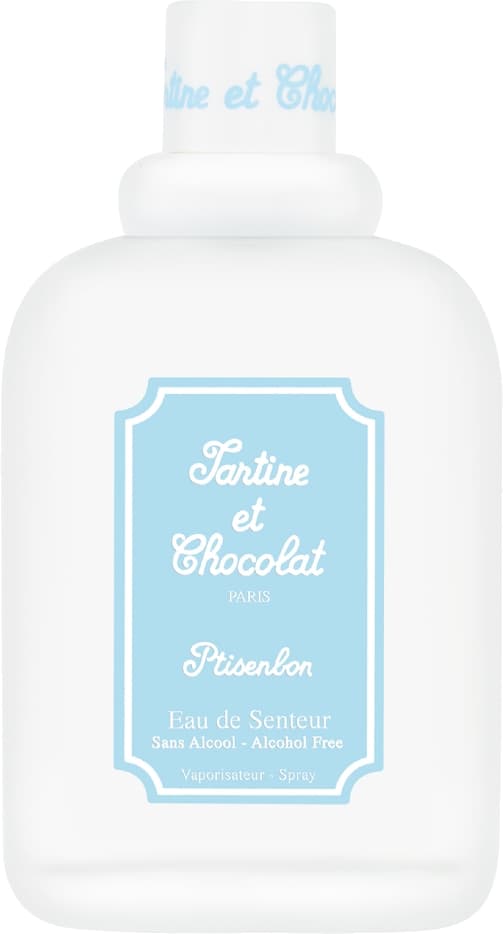
Tartine & Chocolat
Tartine et Chocolat Ptisenbon Eau de Senteur
 Oriental
 Oriental
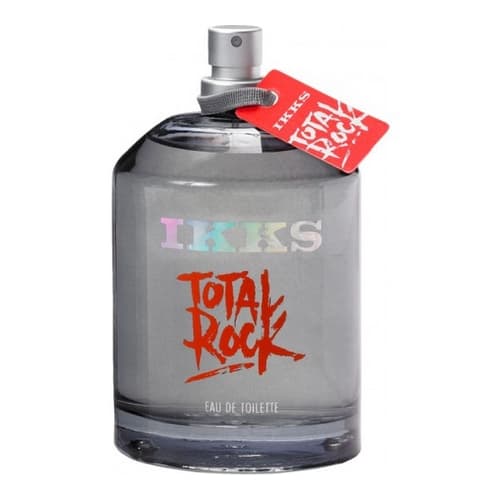 Woody
Woody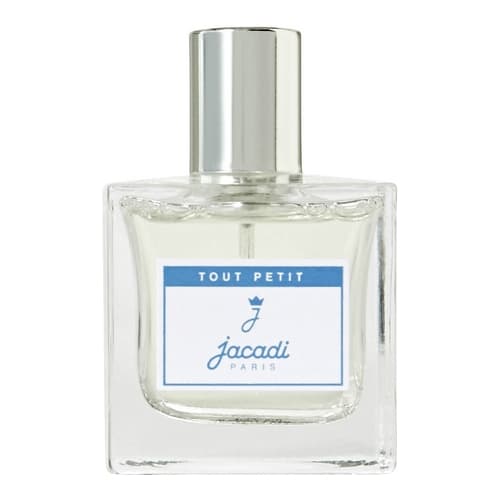 Citrus
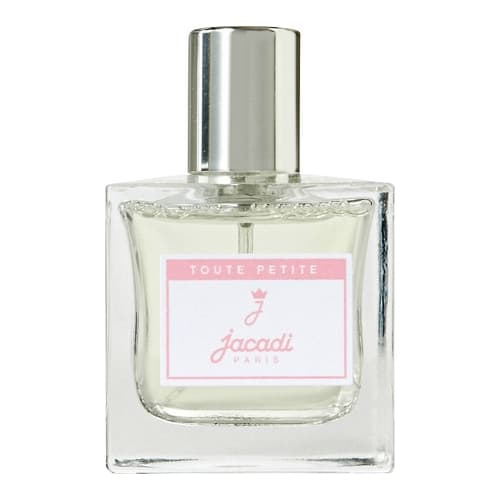 Floral
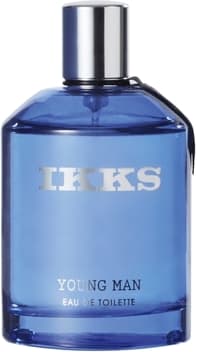 Citrus
 Aromatic
 Woody
Woody Woody
WoodyThe history of perfume for children
The beginnings of perfume for babies date back to the 1960s. This market was developed by the house of Dior. Dior opened its very first boutique named Baby Dior in 1967 before launching its first essence there in 1970. This took the form of a lightly alcoholic Cologne. However, it met with only mixed success. It took 10 years for this to become customary and for the public to truly come to appreciate perfume for children. This small revolution was set in motion by perfumer Annick Goutal, who created a children's fragrance for the store Bonpoint, run by her sister, Marie-France Cohen. It was a very fresh essence based on citrus. This time, success followed and paved the way for many other fragrances.
The different types of perfumes for children
Today, perfumes for children come in the form of eaux de parfum, eaux de senteur and eaux de toilette. The composition of these three types of fragrances differs, particularly in terms of alcohol concentration. Eau de Parfum is the most concentrated of the three, while eau de senteur contains no alcohol at all. It is therefore particularly suited to babies' delicate skin. Indeed, perfumery for children is a particular art that requires certain adaptations. To avoid any irritation, children under three years old cannot wear alcoholic perfumes. Similarly, it is best to avoid overly strong scents. As a result, these are more volatile fragrances. From the age of three, however, a child may wear an Eau de Toilette or Eau de Parfum, provided the alcohol content does not exceed 30 %. Moreover, all perfumes for children must be hypoallergenic, free of phthalates, parabens and phenoxyethanol. Nevertheless, none of these precautions prevent creators from being particularly inventive, and everyone can find something to suit them, whether opting for a very fresh scent or a more gourmand and fruity one.
All that remains is to explore this magical world to learn more. However, it is always best to apply perfume for children to their clothing rather than directly on their skin. Also, as a little tip, do not hesitate to add a few drops to the water in your iron. Your little ones will then be blessed with a delightful scent!