
 Woody
Woody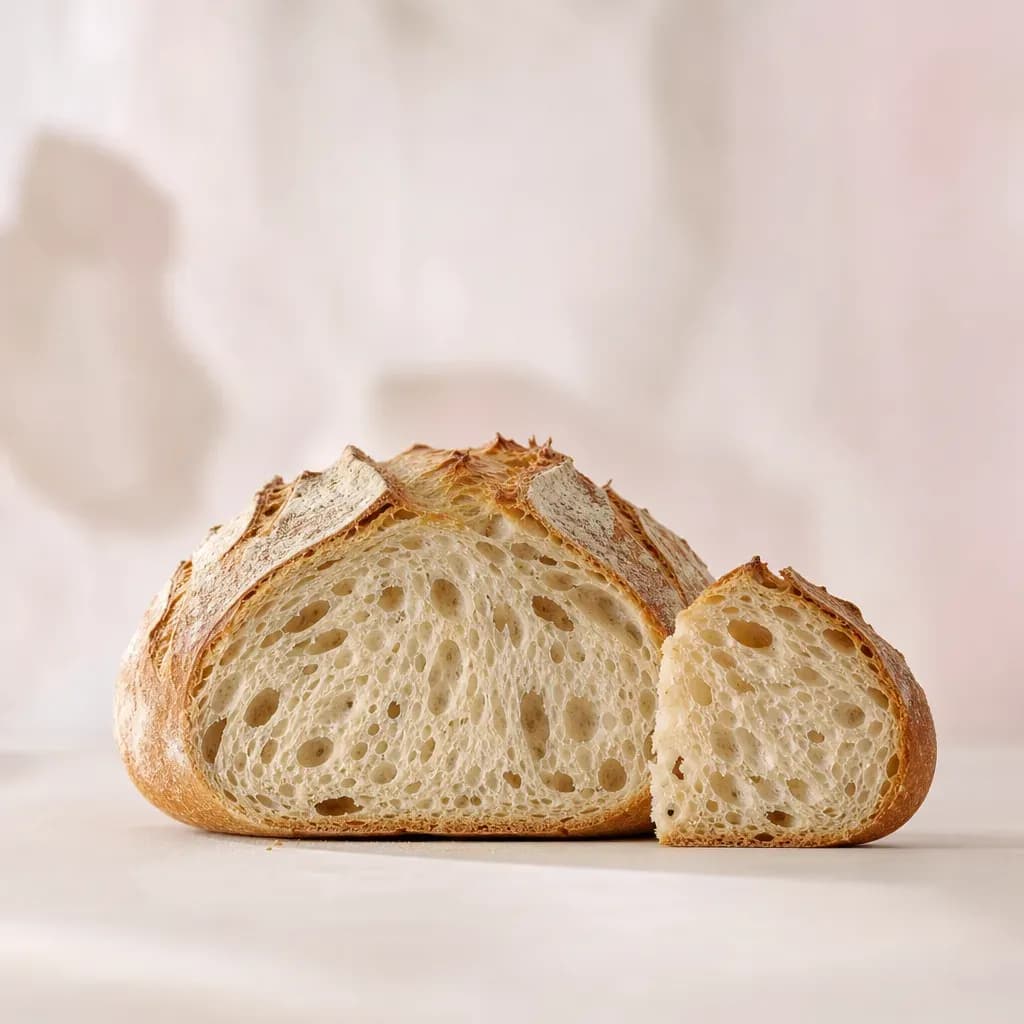
Bread
Bread: the scent of an afternoon snack in a perfumed fragrance. Bread has, since the dawn of time, been the staple food that has nourished populations and eased hunger pangs. In a return to artisanal culinary traditions, bread has today become an object of indulgence and desire once again.
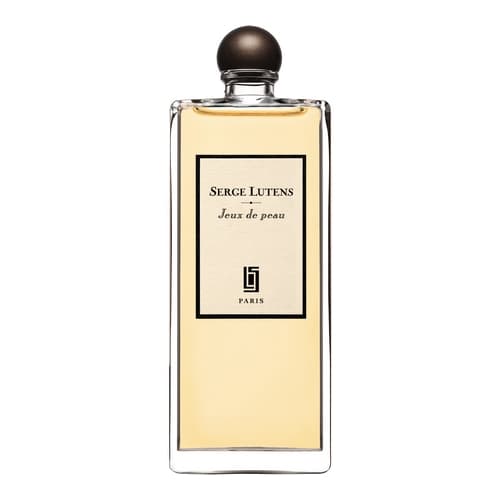
Everyone recalls the memory of a lovely smell of warm bread when walking past a bakery, and it is precisely this memory and this emotion that the bread note in perfumery has attempted to reproduce in Serge Lutens's lovely bottle and in the anecdotal Anglo-Saxon “Eau de Toast” created by… bakers!
Bread through history…
Bread is thought to have been invented during the Paleolithic era, some 30,000 years BC! Traces of unleavened bread, where starch grains were placed under mortars and other stones resembling pestles and then baked, have been found by researchers.
The evolution of bread-making followed the evolution of tool-making. The notable invention of the grain mill during Antiquity had a beneficial effect on the production and consumption of bread. Between Greece, Mesopotamia and Egypt, the ways of working and baking bread differed, yet they nonetheless stand as proof that bread was essential to all.
During the Middle Ages, due to the poor upkeep of mills, bread became scarce and was subject to a tax levied by lords. Between flour shortages and the hazards of bran milling, bread was the sinews of a struggle that would eventually lead to the French Revolution (one recalls the flour wars and the royal family nicknamed the Baker, the Baker's Wife and the Little Baker's Boy).
Fermentation techniques then evolved and baking methods modernized, yet bread remained subject to pressure or rationing among the people, notably during the Second World War.
And why not a bread note in a fragrance?
Today bread has once again become an object of desire and craving as well as indulgence, despite years of needless deprivation during which it was judged too fattening. It was precisely at that time, in 2013, that the English Bakers' Federation devised its fragrance “Eau de Toast.” This fragrance, built around a toasted bread note, was meant to be pleasant, of course, but above all to serve as a major media stunt in favor of bread, being distributed for free right in the middle of London Fashion Week.
Aside from this anecdotal fragrance and the synthetic ethyl maltol note in Angel, which reminds some noses of toasted bread, the lovely fragrance Jeux de Peaux by Serge Lutens is currently the only one to exhale a bread note. Jeux de Peaux draws one in with its gourmand accents of breakfast, coffee, warm bread and milk. The heart notes of osmanthus and bread blend into a cocktail of sweet base notes (caramel, licorice and vanilla), made powerful by labdanum and sandalwood, but also milky with warm milk and gourmand with hazelnut and coffee.
It is therefore likely that the bread note, with its strong olfactory and sensory presence, may appear in gourmand and creative compositions, following the example of certain uncommon notes, warm milk for instance, which now inhabit our fragrances more and more regularly.
Identity card
- Type : Reproduction
Perfumes with the Bread note
Woody