
 Floral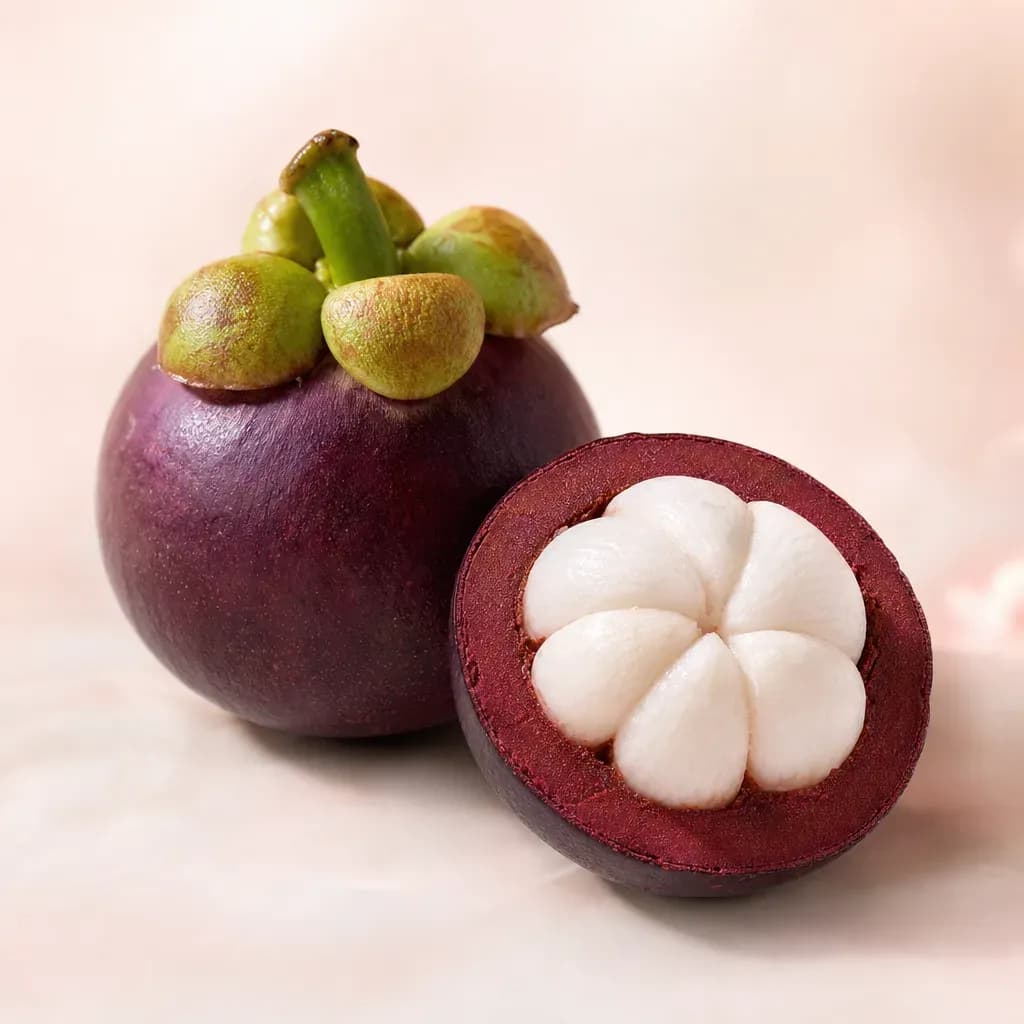
Mangosteen
Fruits are among the most widely used raw materials in perfumery. Valued for their freshness and modernity, they were only integrated into the perfumer's palette very recently. Indeed, they cannot be extracted directly, so their scent must be essentially reproduced in the laboratory. The use of fruits in fragrances was therefore made possible by scientific progress. While some of them are well known to Western consumers, others come from much more distant lands, allowing the imagination to wander far beyond the borders of Europe. Coming straight from Thailand, mangosteen is an icon of traditional Asian medicine, which is now making its way into the perfumery sector.
Mangosteen, a typically Thai fruit
Mangosteen comes from a flowering plant. Its tropical tree is very common in the Malay archipelagos, in Indonesia and in Thailand. Famous in Southeast Asia, mangosteen is a small fruit that has nonetheless been introduced to other parts of the globe such as India, Sri Lanka, Puerto Rico, Florida or South America. Spherical in shape, and 6 to 8 cm in diameter, it has a dark purple hue and is highly sought after for its excellent white flesh, whose appearance is very close to that of lychee. Beyond its taste qualities, mangosteen is also renowned for its healing properties.
Mangosteen in cuisine
Mangosteen is prized in cuisine for its juicy flesh and tangy taste. It should be noted, however, that it remains fairly difficult to find outside of specifically Asian grocery stores, as it is a product subject to significant restrictions. Difficult to import, mangosteen is instead offered canned or frozen in Western countries.
Mangosteen in traditional medicine
In Asia, mangosteen is widely used in traditional medicine. It is notably used to treat skin infections, wounds, dysentery, and urinary and gastrointestinal infections. Medications are made from its dried fruits, even though, to date, no scientific evidence has been provided to support its effectiveness against human diseases.
Mangosteen in perfumery
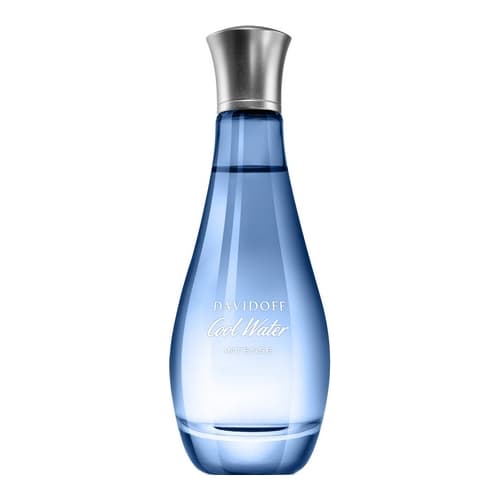
But let us return to the part that interests us most: perfumery. Like most fruits, mangosteen cannot directly yield a scented extract. Its scent must therefore be reproduced in the laboratory. Rather intended for unisex and feminine fragrances, mangosteen gives off a sweet, tangy note, in perfect harmony with the gourmand fragrances of our era. Beyond its highly appetizing breath, it also remains very airy and refreshing. Although atypical, mangosteen has already had the opportunity to feature in several world-renowned fragrances such as Cool Water Intense For Her by Davidoff or Majoromantica by Shiseido.
Finally, it should be noted that other parts of the mangosteen tree are also used. Its twigs serve as chewing sticks in Ghana. Its wood is used to make spears and for cabinetmaking in Thailand. Its bark, meanwhile, is used to tan leather in China.
Perfumes with the Mangosteen note
Floral