 Floral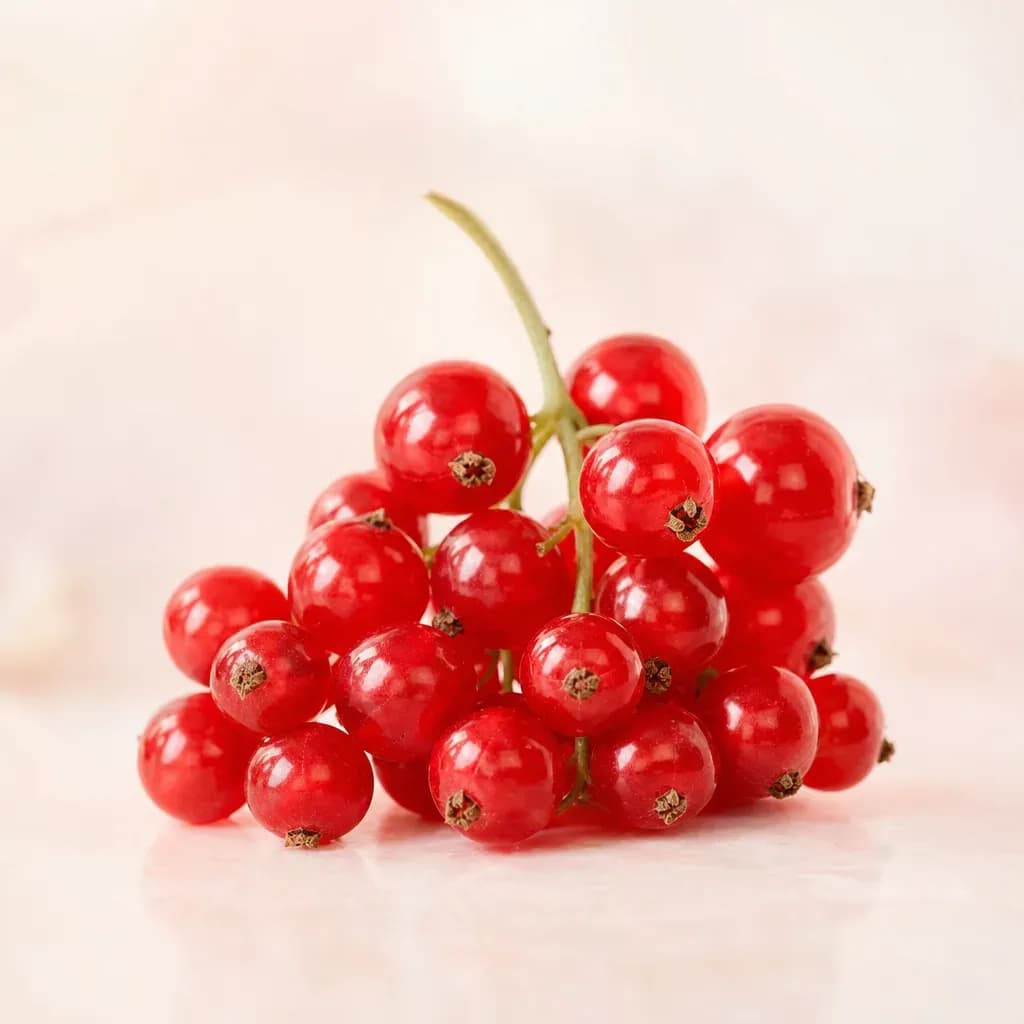
Redcurrant
Red fruits are just as appetizing as they are numerous in making their way into the world of perfumery. This olfactory path was opened by the creation of the famous Angel by Thierry Mugler, in 1992. Since then, many sweet fragrances have appeared, and consumers, particularly women, simply seem to be captivated by them. Nevertheless, two categories should be distinguished: some juices are particularly sweet while others turn out to be more tart. To achieve this, a whole range of ingredients is used. Such is notably the case with redcurrant…
The history and characteristics of redcurrant
Redcurrant is a fruit from the redcurrant bush, a shrub of about 1 m 50. It has naturally arched branches and green three-lobed leaves with cut edges. It produces small fruits of about 8 to 10 mm, slightly translucent, which evolve initially from a green shade to an autumnal red color. This is how one recognizes redcurrant at maturity. Likewise, when the fruit is ripe, the leaves of the redcurrant bush turn yellow. Furthermore, this is a plant native to Asia and North America that appeared in French gardens starting in the twelfth century. The redcurrant bush was mainly introduced in Lorraine before spreading throughout the country. Its cultivation has been present in France since the Middle Ages and is used to make all sorts of desserts as well as jellies and jams. Moreover, since that era, the Lorraine town of Bar-le-Duc has been the production hub and is world-renowned for its seedless redcurrant jam. To achieve such a perfect result, the berries are delicately deseeded using a goose feather whose tip is finely cut into a bevel. Furthermore, this process allows this fragile fruit to keep its consistency before cooking. Likewise, redcurrant offers many health benefits. It is an excellent vehicle for skin renewal and is also among the least caloric fruits. Similarly, redcurrant has an incredible vitamin C content close to that of some citrus fruits. Finally, since it is a very fibrous fruit, it also promotes sluggish digestion while protecting sensitive intestines.
Redcurrant in perfumery
A cousin of blackcurrant, redcurrant is widely used by perfumers. Moreover, in Brittany, it is called red blackcurrant as opposed to the “true blackcurrant,” which is, for its part, called black blackcurrant. However, the scent of redcurrant cannot be extracted and, as with many fruits, perfumers must resort to producing it synthetically. If redcurrant is so appreciated, it is simply because it brings a very fruity, tart and lively touch to the fragrances that contain it. In this case, it is very often combined with floral tonalities and is thus mostly found in feminine creations.
Many fragrances today contain redcurrant in their composition. Nevertheless, a Guerlain fragrance named Grosellina pays particular tribute to it.
Identity card
- Latin name : Ribes
- Origin : Artificielle
- Type : Reproduction
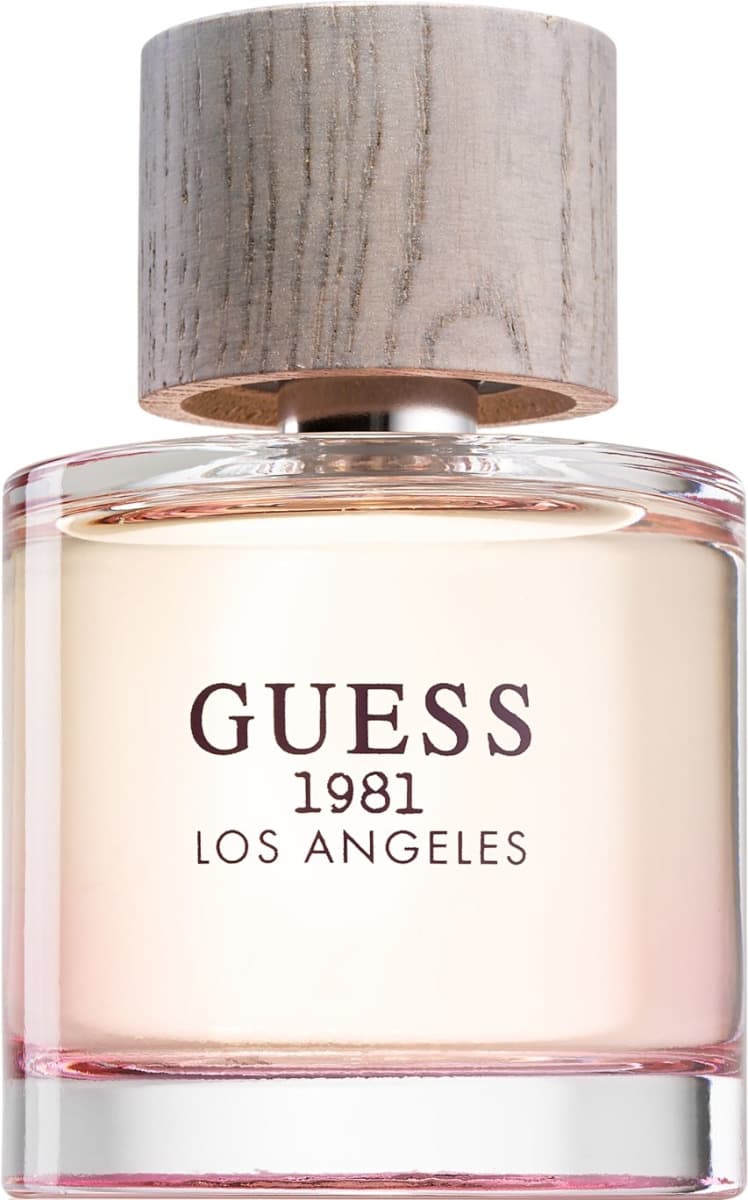
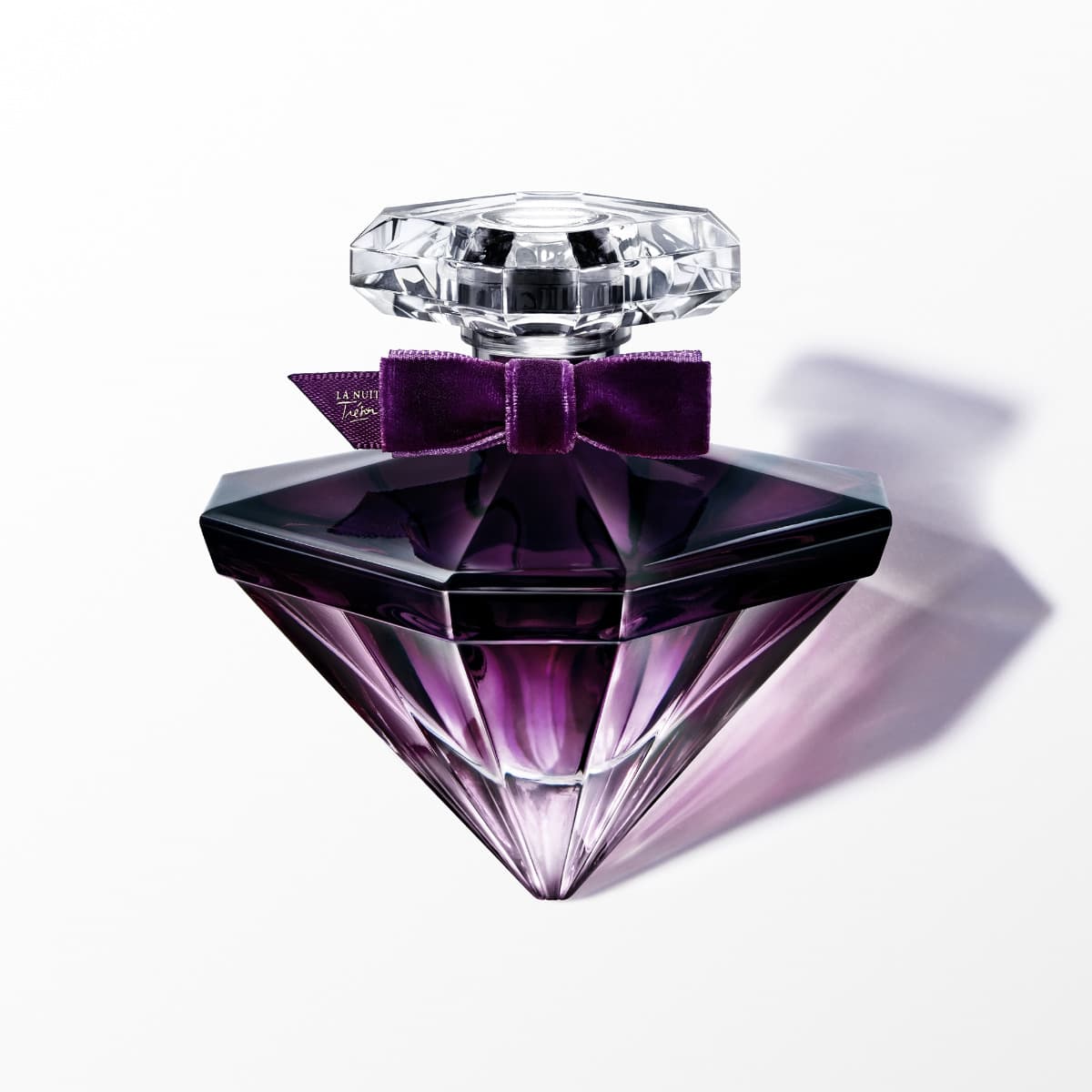
Perfumes with the Redcurrant note
Floral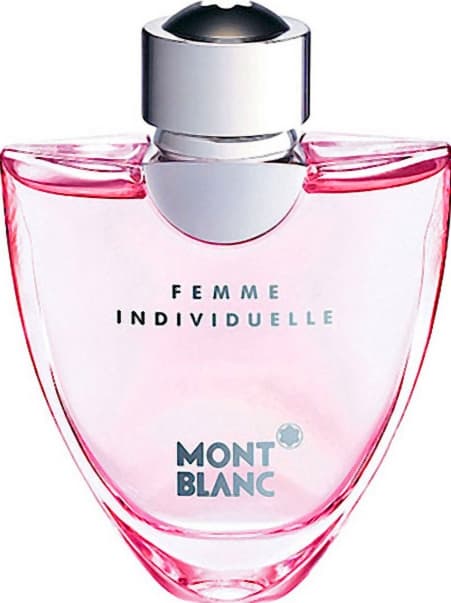 Oriental
 Floral
 Chypre