
 Chypre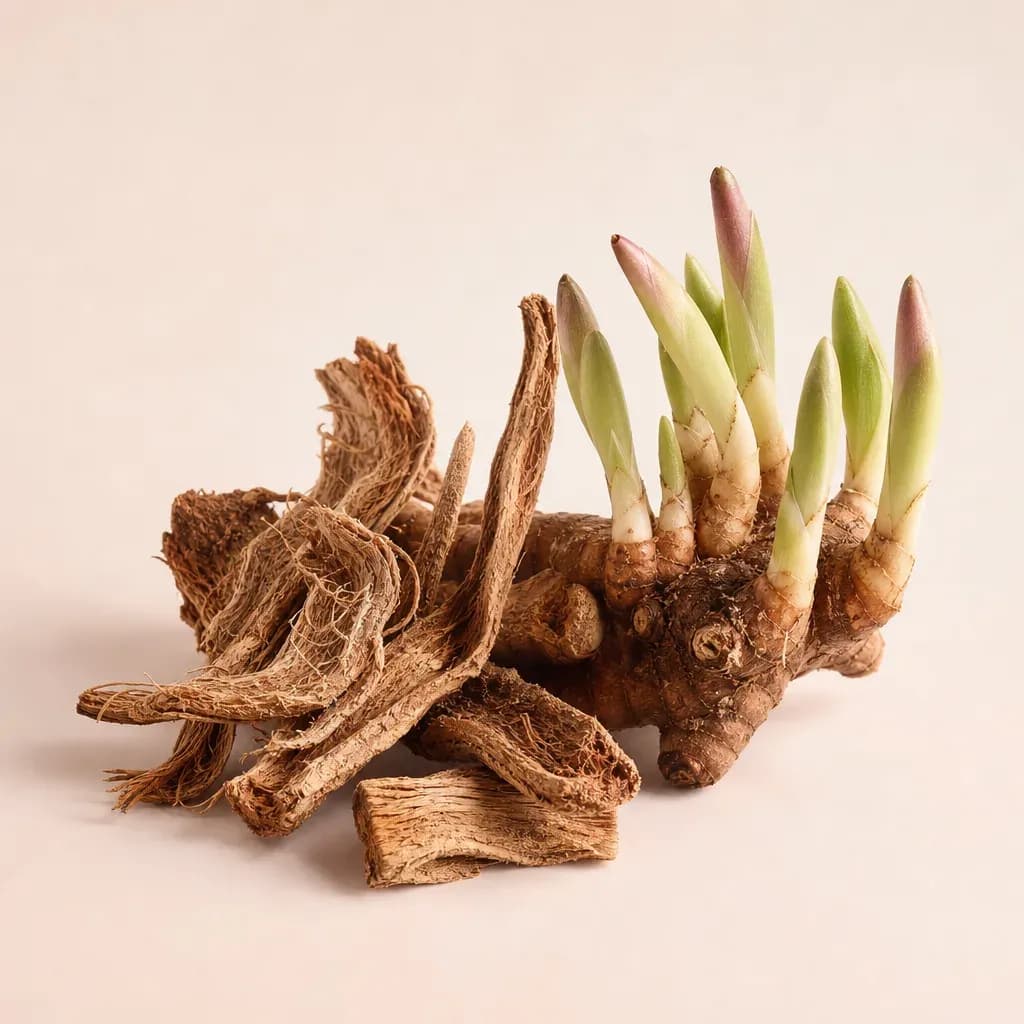
Costus
Costus or costus root: Animalic notes derived from plant roots! Costus is an attractive herbaceous plant growing at high altitudes in India. It has been well known for its medicinal properties since ancient times. However, it is less known that costus, particularly its root, has been used for several centuries now to provide the animalic notes so prized in masculine perfumes. Today, costus root, which contains highly allergenic properties, is banned from sale, but chemistry has managed to recreate its olfactory qualities to offer them to the finest masculine fragrances.
Costus, the attractive Indian mountain plant
Costus is a tall plant with long, slender leaves that grows in India, and only at altitudes between 2,000 and 5,000 meters. Despite very difficult harvesting conditions, costus is regarded by both Chinese medicine and Ayurvedic medicine as a powerful remedy, listed in the Chinese Pharmacopoeia among the 50 plants with essential medicinal properties.
Europeans, particularly eager to discover the potential of the plants found in these new worlds, used costus root for its medicinal properties, of course, but also for its powerful and distinctive fragrance, which blends very well with other animalic notes. While costus remains one of the favored raw materials in masculine perfumes, its root, being too dangerous, is banned. It is various synthetic molecules that now recreate the unique dusty, plaster-like scent of this plant with leathery facets.
The use of costus root in perfumes with animalic notes
With its dusty, earthy odor, costus naturally evokes the animalic family. However, if costus flourishes in magnificent fougère or woody fragrances, it is largely thanks to its beneficial association with other notes that come to “clean” it. Indeed, the famous perfume creator Annick Goutal does not hesitate to compare the smell of costus to rather unappealing scents: her odor is quite particular, she hesitates between the smell of dirty socks, greasy hair and the smell of goat… but in a composition it can be excellent! And yet!
Costus appears almost systematically in woody and fougère fragrances as a base note, combined with musks, ambers, leathers, and incense, which lend power and deep sillage to fine, natural, and, let us not be afraid to say it, virile fragrances! Thus, costus appears in the fine leathery fougère Kouros by Yves Saint Laurent, in the woody chypre Gentleman by Givenchy, but also in more recent fragrances such as Cerruti 1881 Acqua Forte by Cerruti.
In short, as you will have understood, costus is THE touch of unapologetic virility! And indeed, women might not look too kindly on so much dirty-sock odor in their perfumes! Although they forget that the animalic note is also present in theirs… but it is true, under names that make it seem less bestial! Nevertheless, some creators have dared to offer unisex fragrances, often of the oriental type, featuring costus, such as Rien by État Libre d'Orange or Muscs Koublaï Khän by Serge Lutens.
Identity card
- Latin name : Saussurea Lappa
- Type : Reproduction
Perfumes with the Costus note
Chypre