
 Fougère
Coty
Coty is the house founded in 1904 by François Coty, a Corsican trained in Grasse, whose La Rose Jacqueminot opened up modern perfumery to synthetic chemistry. His perfumes gave their name to an entire family, the chypre, in 1917, and his bottles were designed by Lalique and Baccarat. The name today designates a global beauty group.
FougèreCoty
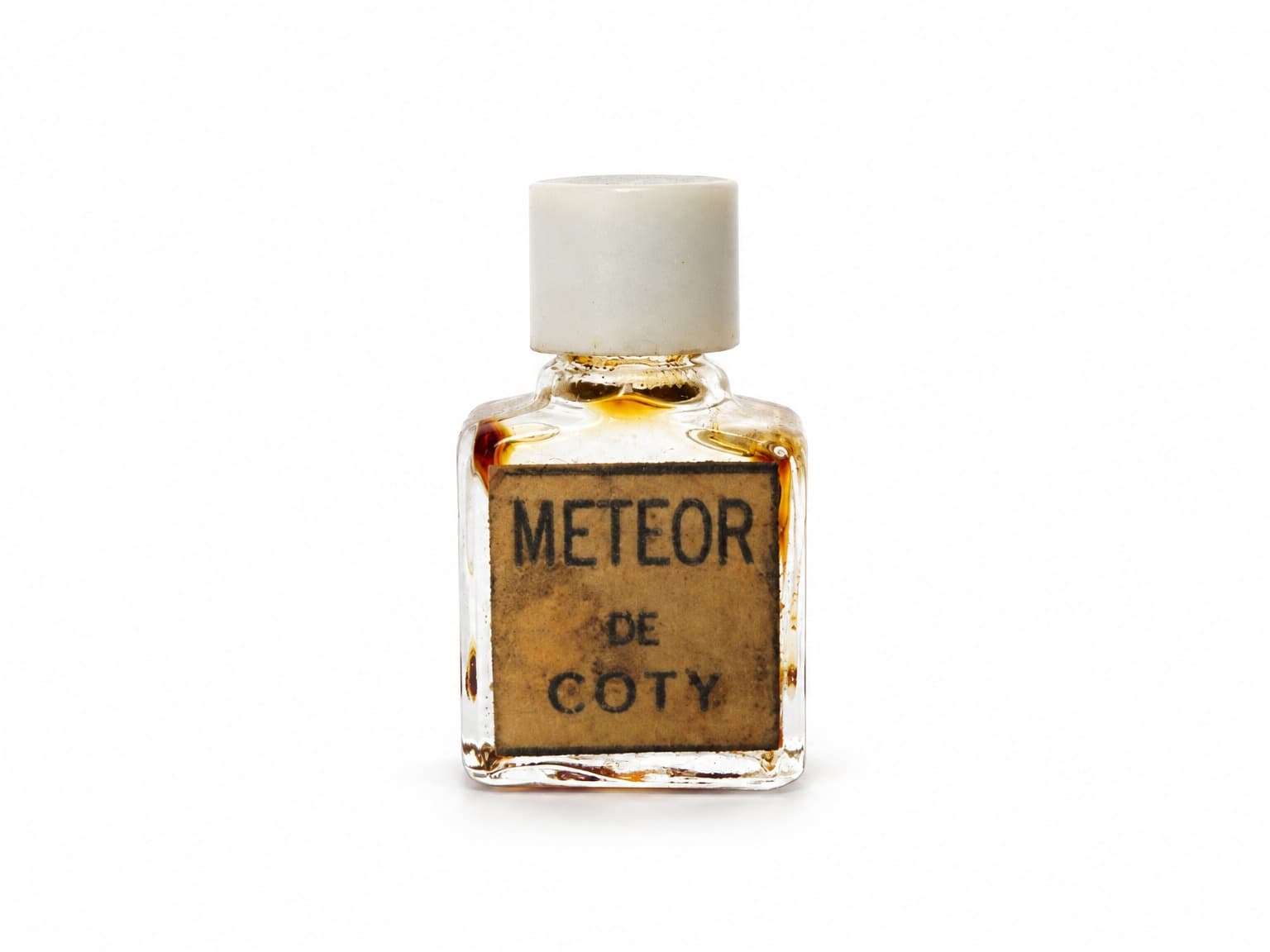
Coty
François Coty trained with the perfumer Chiris in Grasse and launched La Rose Jacqueminot in 1904. The house recounts that he broke a bottle at the counter of the Grands Magasins du Louvre to spread its scent, and that the stock sold out within the day.
The anecdote is repeated by the house as by its successors, and perfumery historians treat it as much as a marketing stunt as a fact. What is established is that La Rose Jacqueminot triumphed at the end of 1904.
L’Origan was released in 1905, the first perfume built on ionone, in a Baccarat bottle and under a label designed by Lalique. Ambre Antique the same year, Jasmin de Corse, Émeraude, L’Aimant in 1927: Coty composed with synthetic materials when his competitors were wary of them.
Chypre arrived in 1917 and gave its name to the olfactory family that dominated perfumery for nearly a century. René Lalique designed the bottles, as well as the advertisements and the boutiques of Paris and Fifth Avenue; the two men fell out in 1921 and reconciled in 1933.
The company was sold to Pfizer in 1963 and kept its name. Coty Inc. has since become a global beauty group, which operates perfume licenses for fashion houses and celebrity lines, far from its founder’s work of composition.
The house’s name has been revived for a heritage line, Infiniment Coty Paris, which draws on its original creations. The historic perfumes can still be smelled at the Conservatoire international des parfums in Versailles.